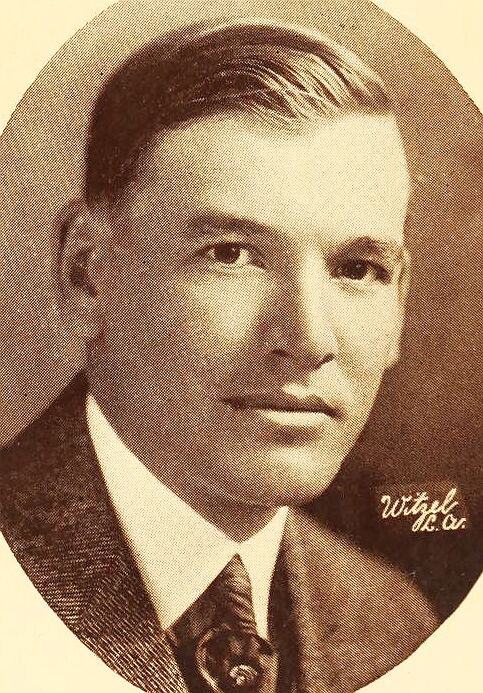
James W. Horne, Harvey Gates, Henry MacRae, Frank Howard Clark, Blaine Pearson, Tom Gibson
United States
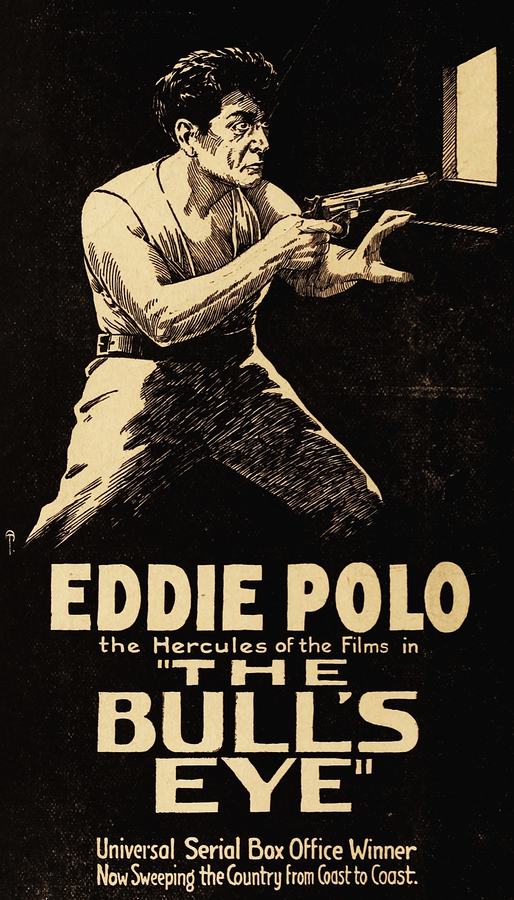
A Wanted Poster That Learns to Talk Back There is a moment—roughly twelve minutes in, if you’re counting by the flicker—when William Welsh’s craggy lawman pins a dog-eared reward placard to a pine slab and the wood grain underneath begins to crawl, as though the trees themselves object to summary judgment. It is the ...
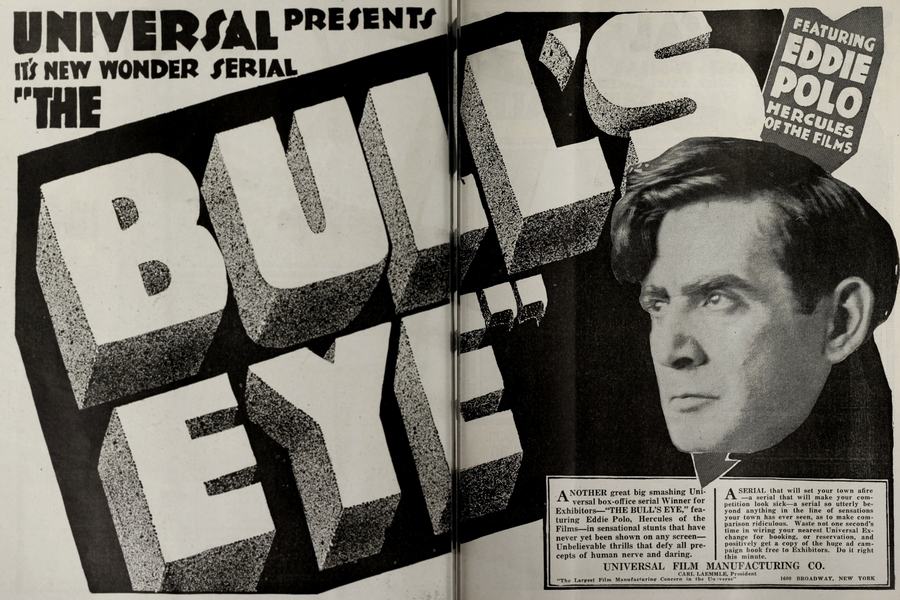
publicity
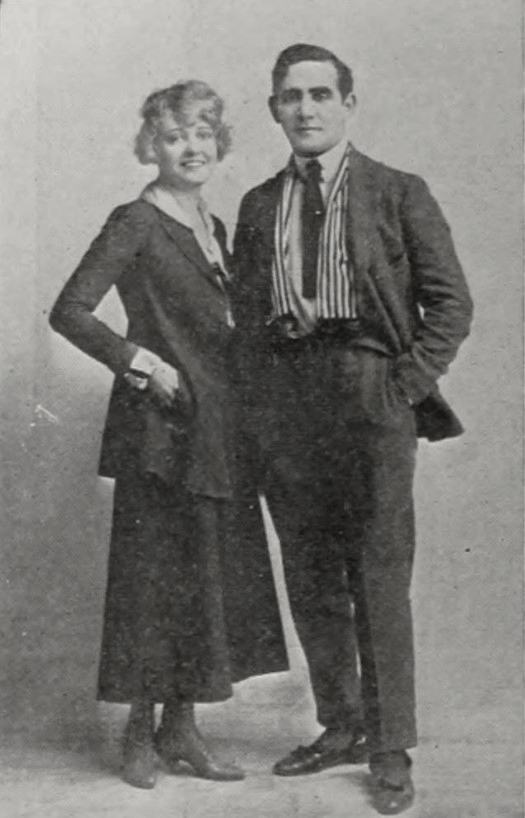
publicity
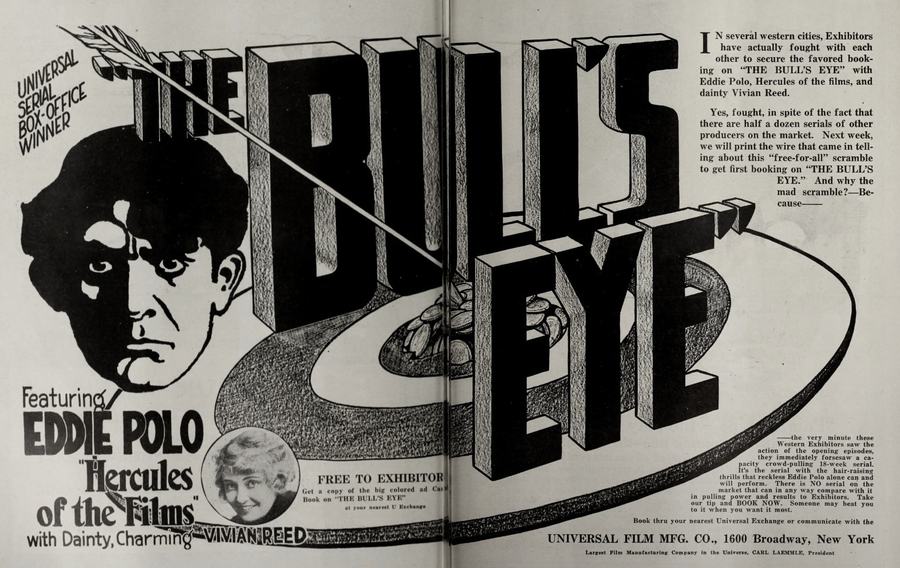
publicity
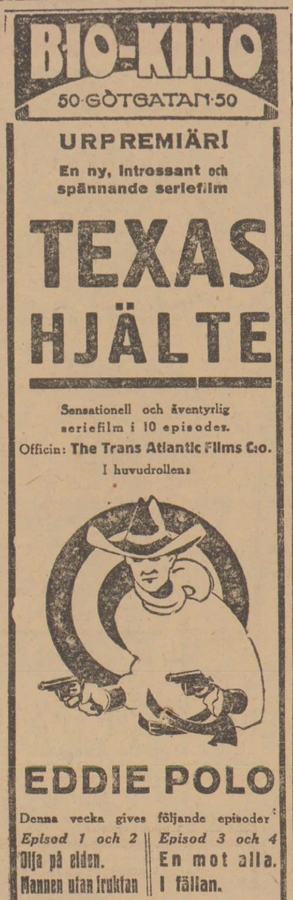
product
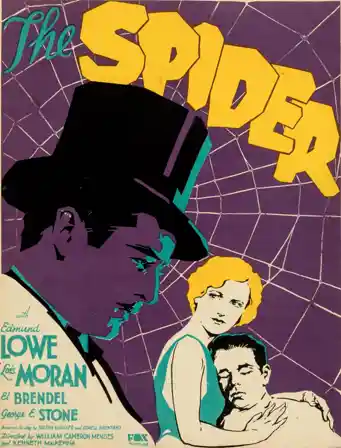

Comparing the cinematic DNA and archive impact of two defining moments in cult history.
James W. Horne
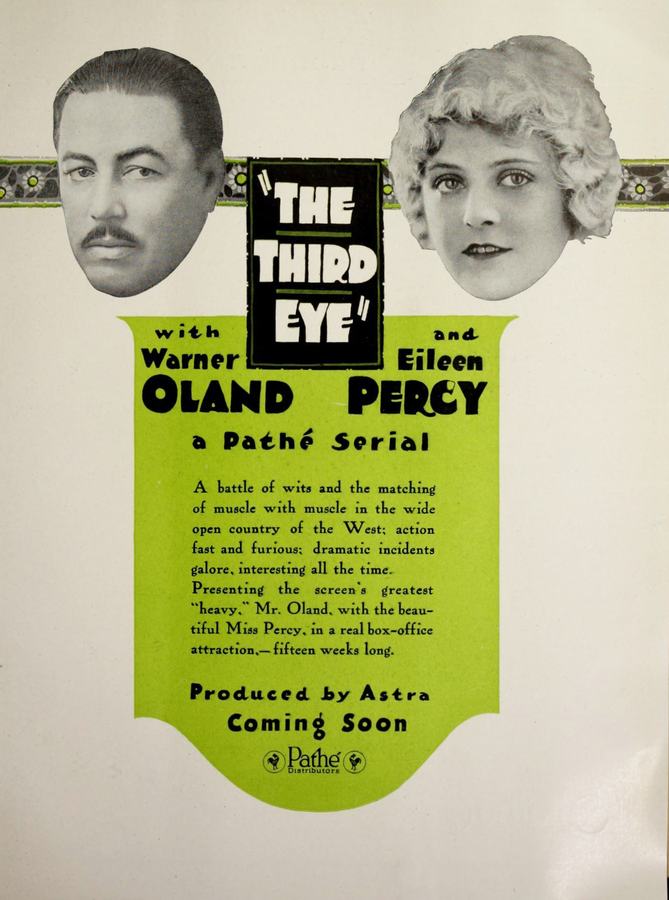
James W. Horne
Community
Log in to comment.
" A Wanted Poster That Learns to Talk Back There is a moment—roughly twelve minutes in, if you’re counting by the flicker—when William Welsh’s craggy lawman pins a dog-eared reward placard to a pine slab and the wood grain underneath begins to crawl, as though the trees themselves object to summary judgment. It is the first shiver that The Bull’s Eye is not content to be merely another oater galloping out of Universal’s backlot corral; instead, it wants to chew the gristle of American myth-makin..."
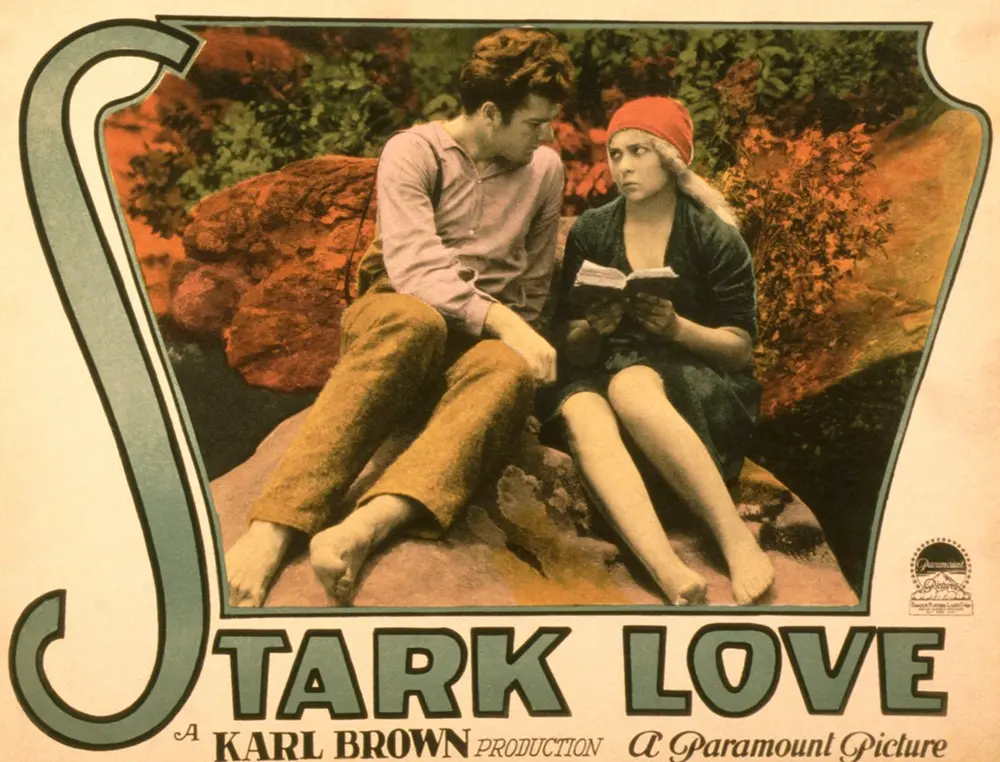
Deep dive into the cult classic
Discover similar cinematic experiences
A Directorial Spotlight on James W. Horne