Yevgeny Bauer
director, production_designer, writer
- Birth name:
- Yevgeni Frantsevich Bauer
- Born:
- 1865-01-22, Moscow, Russian Empire [now Russia]
- Died:
- 1917-06-22, Yalta, Taurida Governorate, Russia
- Professions:
- director, production_designer, writer
Biography
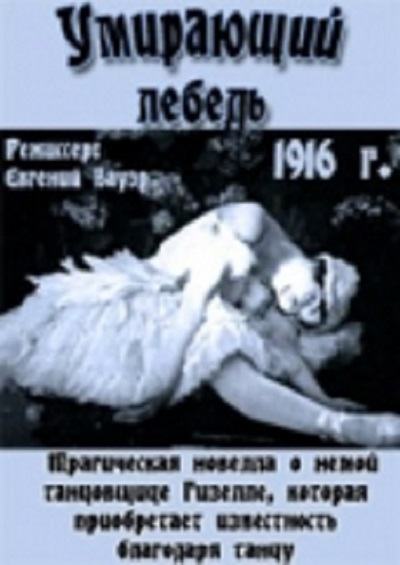
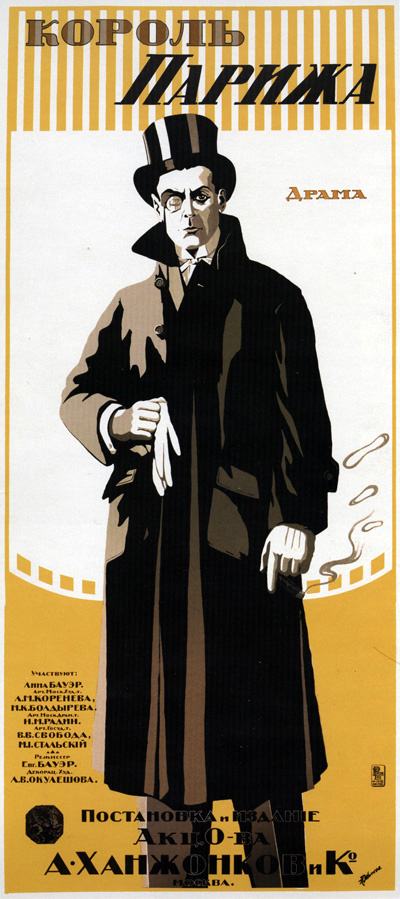
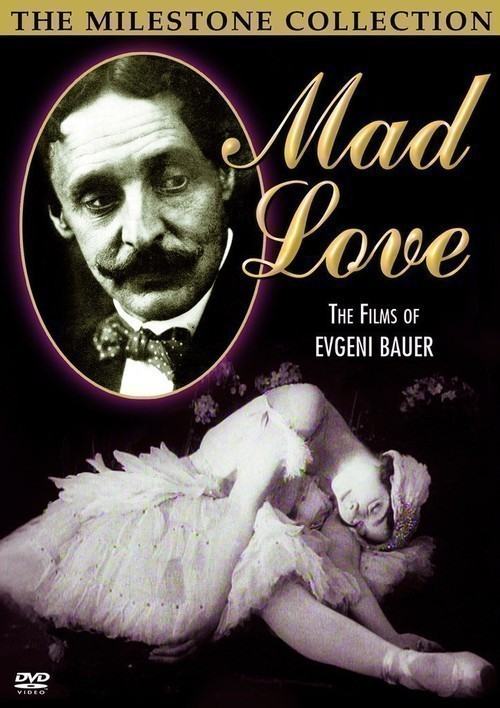
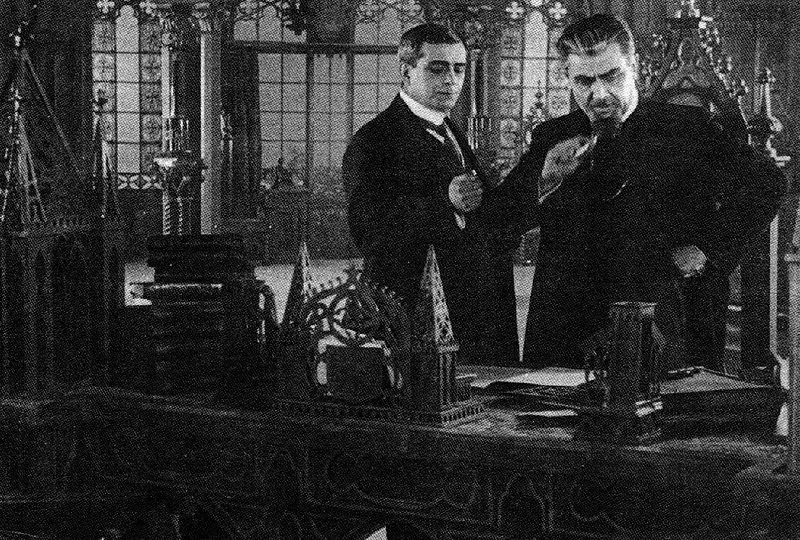
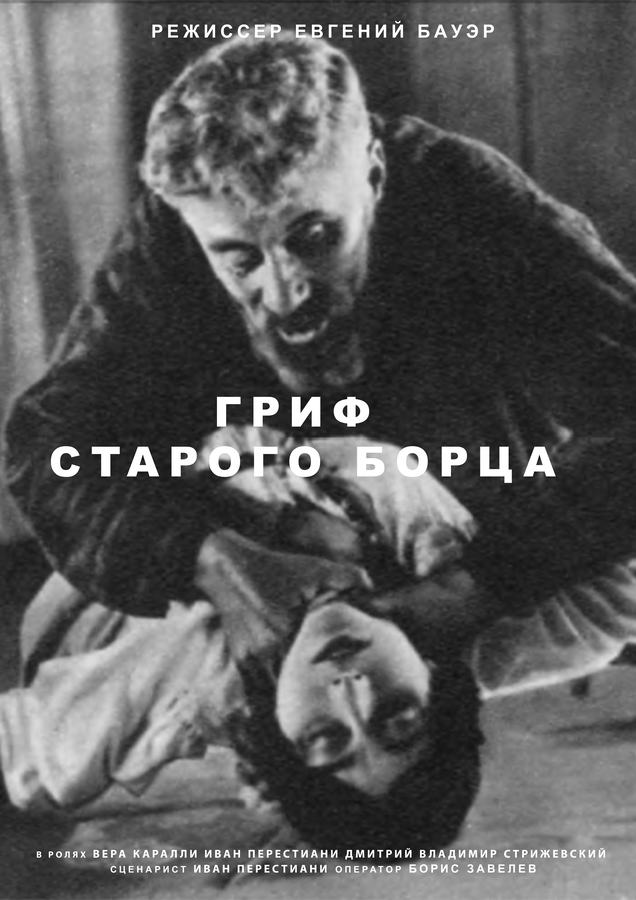
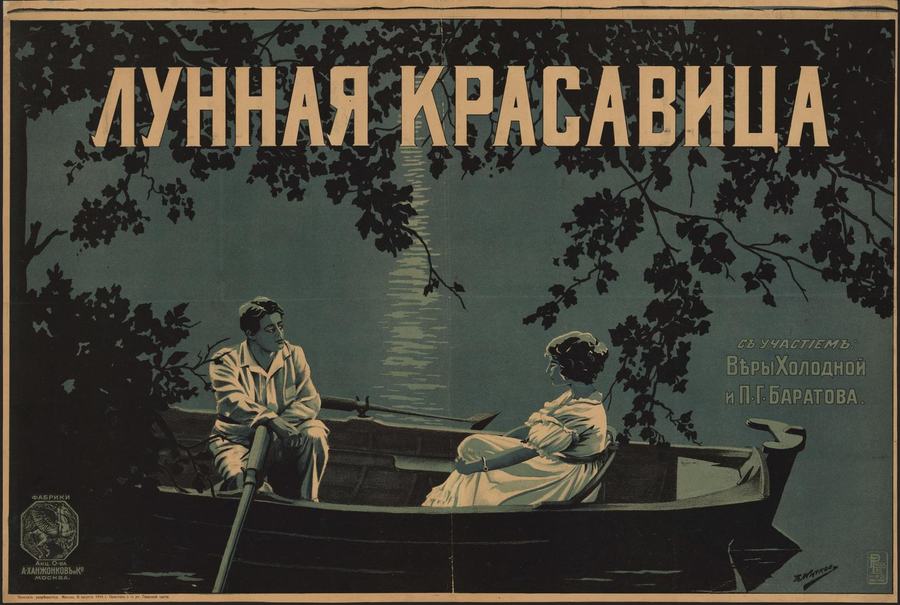
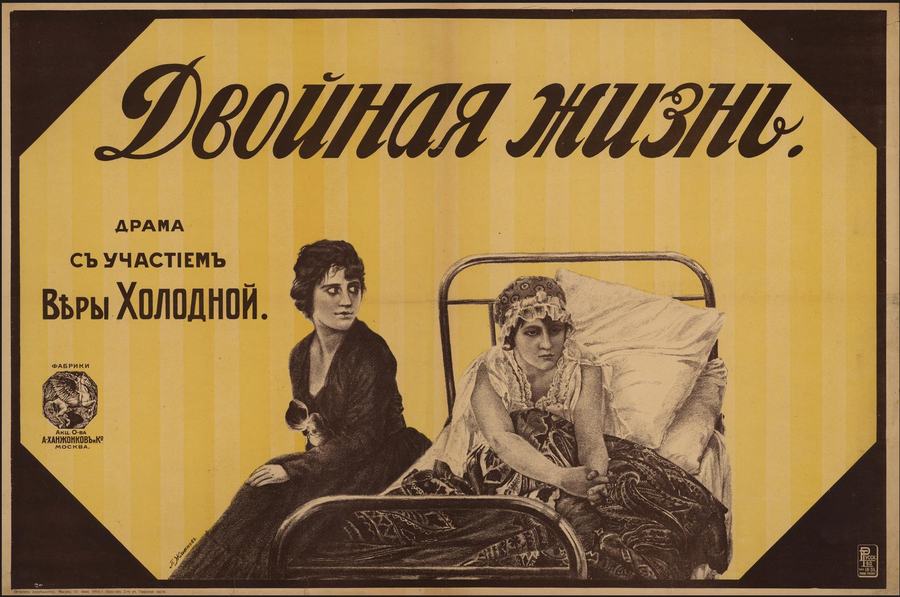
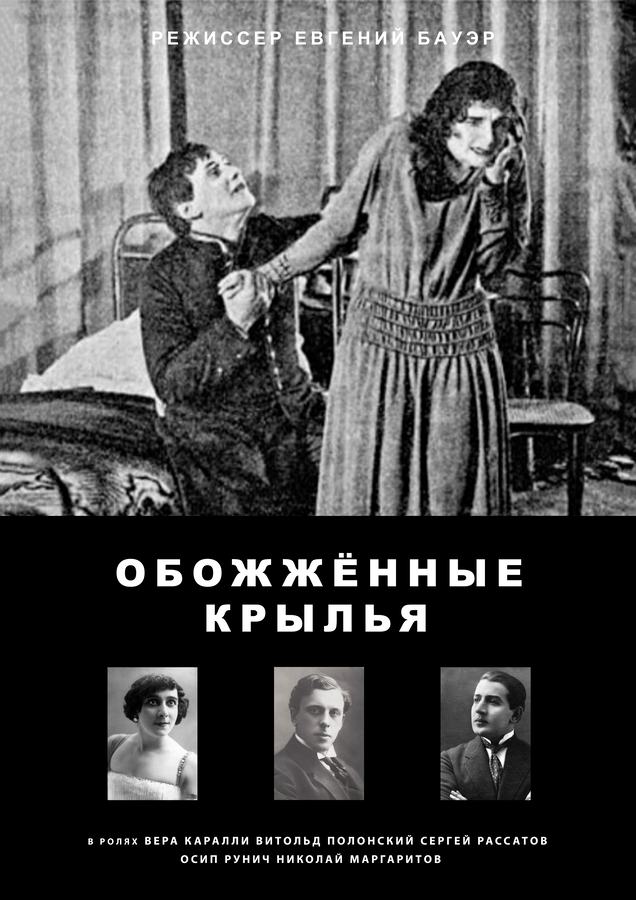
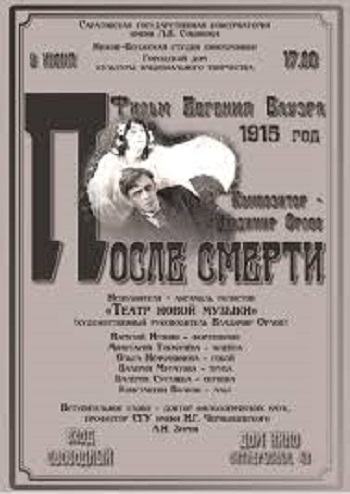
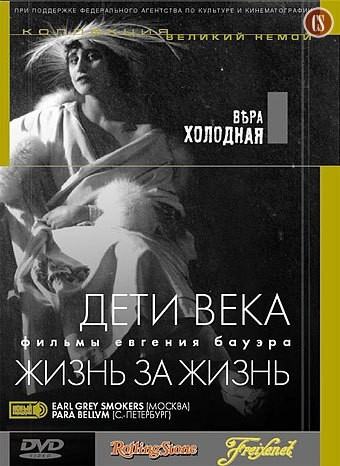
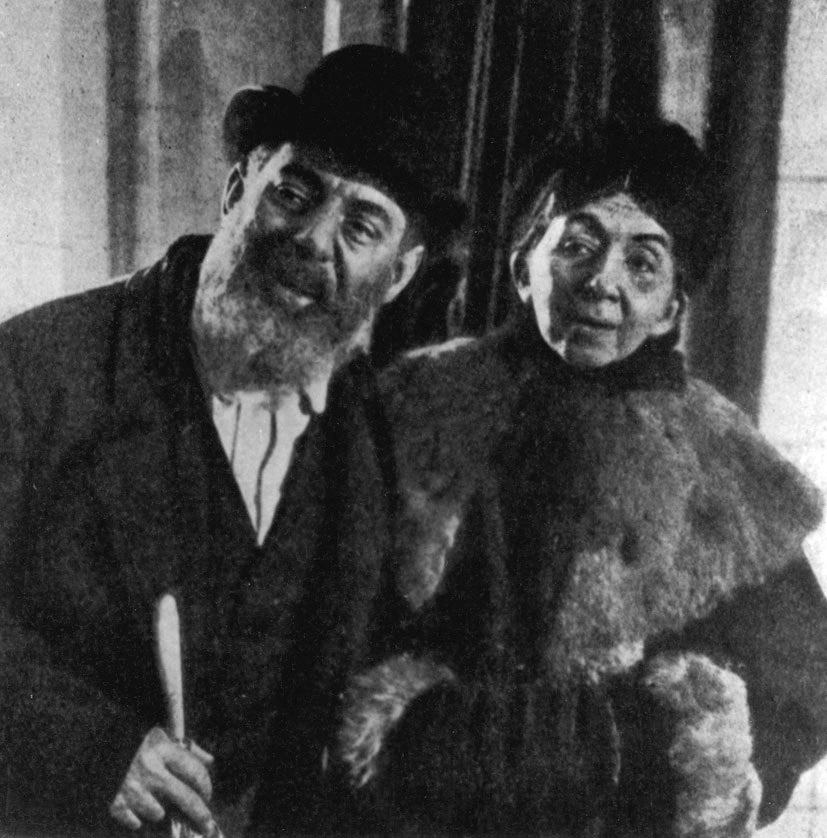
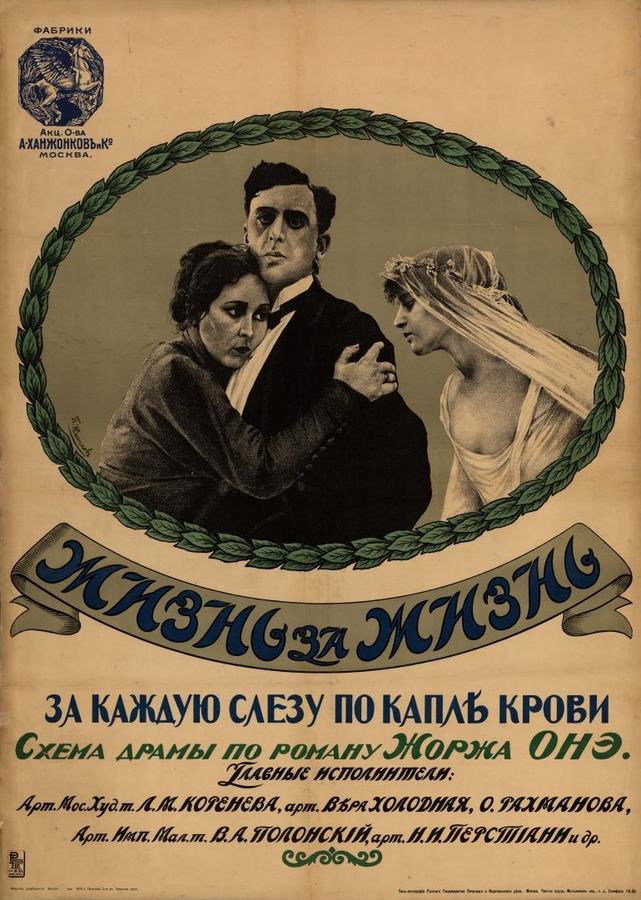
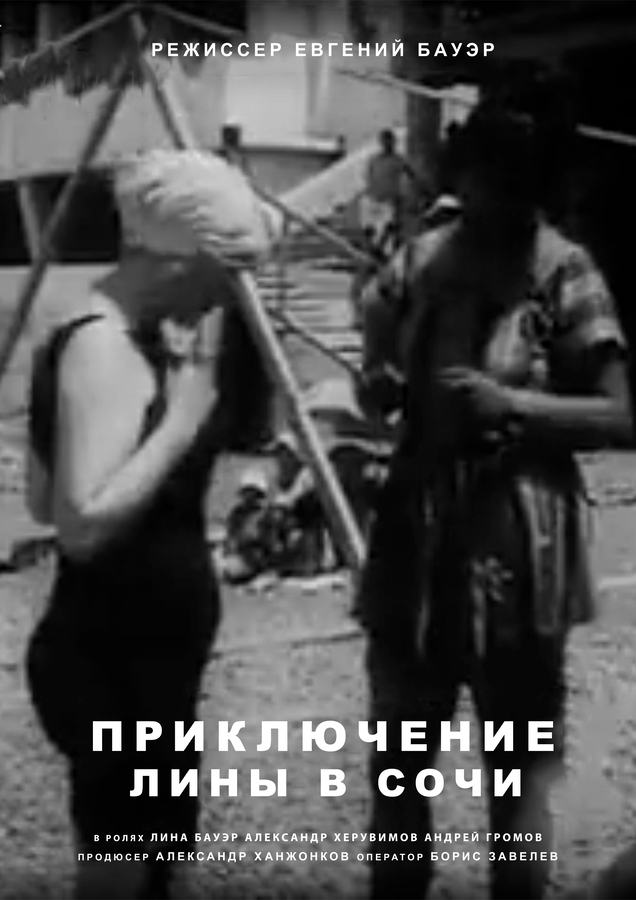
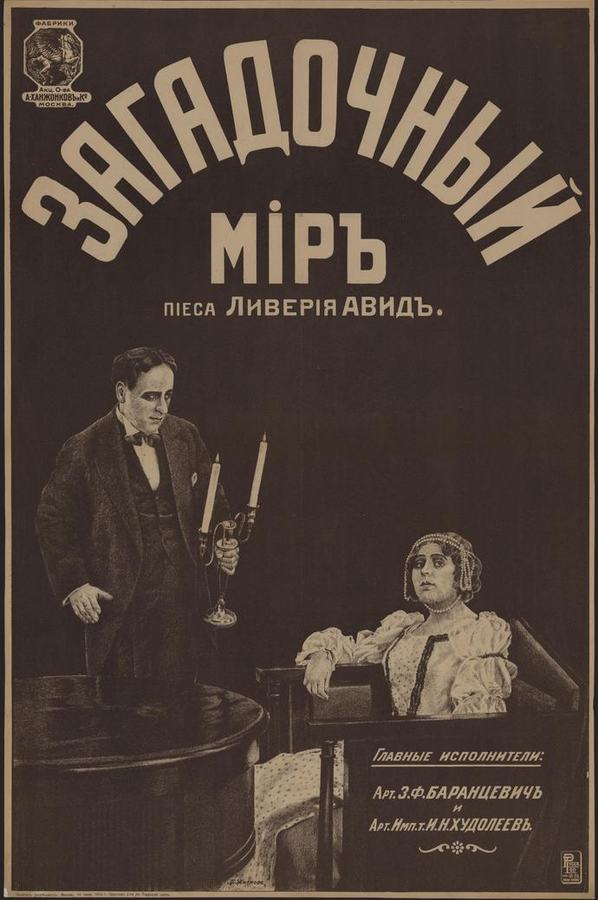
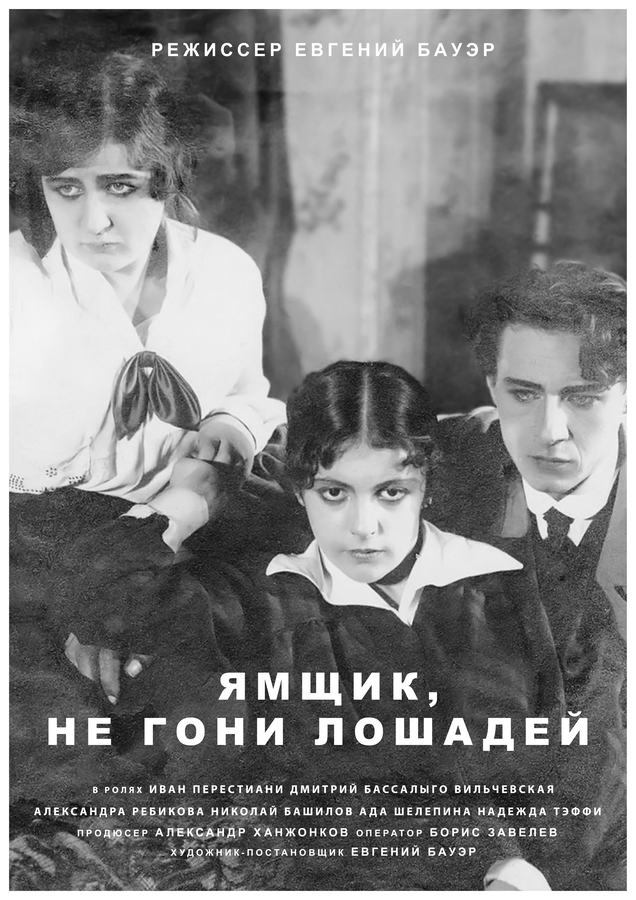
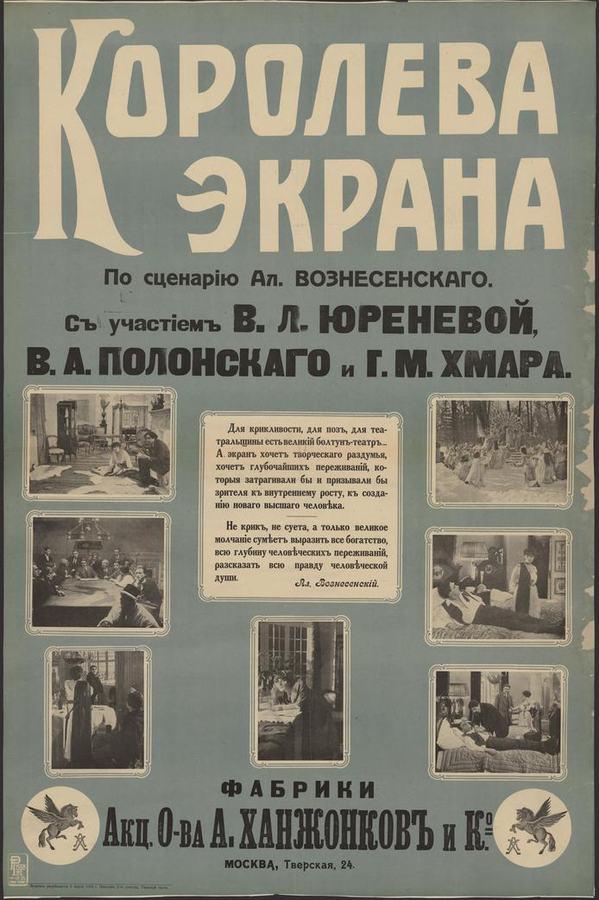
"Yevgeny Bauer, an unparalleled titan of early Russian cinema, sculpted close to eighty silent films within a mere five years before the seismic shifts of the 1917 Russian Revolution. His prolific output cemented his legacy as the era's foremost filmmaker. Born Yevgeni Frantsevich Bauer in Moscow, Russia, in 1865, he emerged from a family steeped in the arts. His father, Franz Bauer, was a celebrated zither musician, while his mother graced opera stages. His sisters, too, embraced the performing arts, becoming actresses of both stage and screen. Bauer honed his artistic sensibilities from 1882 to 1887 at the Moscow School of Art, Sculpture and Architecture, graduating as an artist in 1887. His early career saw him designing sets and stages for Moscow's vibrant theatrical scene, particularly for popular musicals and comedies. Beyond the footlights, his talents branched out; he was a sharp newspaper satirist, a caricaturist for magazines, a journalist, and a theatrical impresario. The 1900s marked his foray into still photography, where his artistic eye captured images published across Russian media. Bauer's cinematic journey commenced in 1912 when A. Drankov and Taldykin enlisted him as a production designer for Tryokhsotletie tsarstvovaniya doma Romanovykh (1913). This initial engagement swiftly transitioned into a directorial role for their company, where he helmed four films. His burgeoning talent soon caught the attention of Pathe's Star Film Factory in Moscow, for whom he directed another quartet of features. A pivotal moment arrived in 1913 with an invitation from Aleksandr Khanzhonkov, Russia's leading producer. This immensely fruitful, albeit tragically brief, four-year partnership spawned approximately 70 films, though fewer than half have survived the ravages of time. Among Bauer's enduring collaborations with Khanzhonkov were cinematic gems like After Death (1915), Her Sister's Rival (1916), and Revolyutsioner (1917), featuring Ivane Perestiani as an aged revolutionary. Bauer's genius found its truest expression in social dramas. Films like Daydreams (1915) (also known as Daydreams), exemplified his command of the genre, starring Alexander Wyrubow as Sergei, a widower consumed by obsession, who pursues an actress for her uncanny resemblance to his deceased wife, only for their contrasting personalities to collide in a tragic denouement. He rapidly ascended to become Russia's preeminent film director, enjoying immense financial success with annual earnings soaring to 40,000 rubles. In 1914, amidst the rising tide of Russian nationalism during the First World War, Bauer adopted his wife's surname, Ancharov, as an artistic alias, appearing in credits under this name for some productions. He was the driving force behind the stardom of major Russian silent film luminaries such as Ivan Mozzhukhin and Vera Kholodnaya, directing Kholodnaya in a remarkable thirteen films consecutively within a single year. Bauer also cast the legendary ballerina Vera Karalli of the Bolshoi Theatre and Sergei Diaghilev's Ballets Russes in After Death (1915) and Umirayushchiy lebed (1917). Bauer's distinctive cinematic language emerged from his rich background as a theatre artist, actor, and photographer, allowing him to seamlessly integrate theatrical techniques into a uniquely filmic vocabulary. His pioneering vision was decades ahead of its time, marked by a masterful command of lighting, unconventional camera angles, and monumental close-ups. He employed inventive and thoughtful montage, alongside theatrical effects such as sweeping long shots through windows and the subtle manipulation of gauzes and curtains to transform the screen image. Bauer was an early adopter of the split screen, and he introduced multi-layered staging, artfully juxtaposing foreground and background elements within opulent decor and meticulously composed shots reminiscent of classical paintings. His ingenious camera movements showcased remarkable depth of field, conjuring powerful dramatic effects. This integrated tapestry of skills – artist, actor, photographer, and director – fueled Bauer's inventiveness and vision, solidifying his status as the leading filmmaker of early Russian cinema. Russia, during the turbulent years of the First World War, proved an increasingly unstable environment for the film and entertainment industry. The nation's culture and cinema suffered a devastating cascade of disruptions from multiple Russian Revolutions. By 1917, however, several major Russian film studios had found a new haven in Yalta, Crimea. This upscale resort, with its Mediterranean climate, proximity to the Tsar's palaces and the lavish villas of influential patrons, offered ideal year-round filming conditions. Bauer relocated to Yalta, continuing his work at the newly established Khanzhonkov film studio, where he also became a major shareholder. There, he directed his final masterpiece, Za schastem (1917) (also known as For Happiness). In a poignant twist, an ailing Bauer, who had intended to play the painter Enrico himself, passed the role to his apprentice, Lev Kuleshov, after suffering a fall and breaking his leg. Despite his injury, Bauer, confined to a wheelchair, valiantly began directing his ambitious final project, Korol Parizha (1917), initially conceived as his largest undertaking, but destined to become his swan song. Complications from his broken leg led to him becoming bedridden in a Yalta hospital, interrupting his work. The film was eventually completed by actress Olga Rakhmanova and his dedicated colleagues at Khanzhonkov studio. Yevgeny Bauer succumbed to pneumonia on July 22nd (July 9th, old style), 1917, in Yalta, Crimea. He was laid to rest in the Yalta cemetery, in what was then Yalta, Crimea, Russia (now Yalta, Ukraine). Bauer was married to actress and dancer Emma Bauer (née Ancharova), whom he met in the 1890s during his stint as a theatre artist. His wife, Lina Bauer, notably starred in his 1915 comedy The 1002nd Ruse (also known as The 1002nd Ruse), portraying a flirtatious wife who ingeniously outwits her husband by concealing her lover in a closet. Bauer's sister, Emma Bauer, also graced the screen in several of his films."
Filmography
Directed (20)