Summary
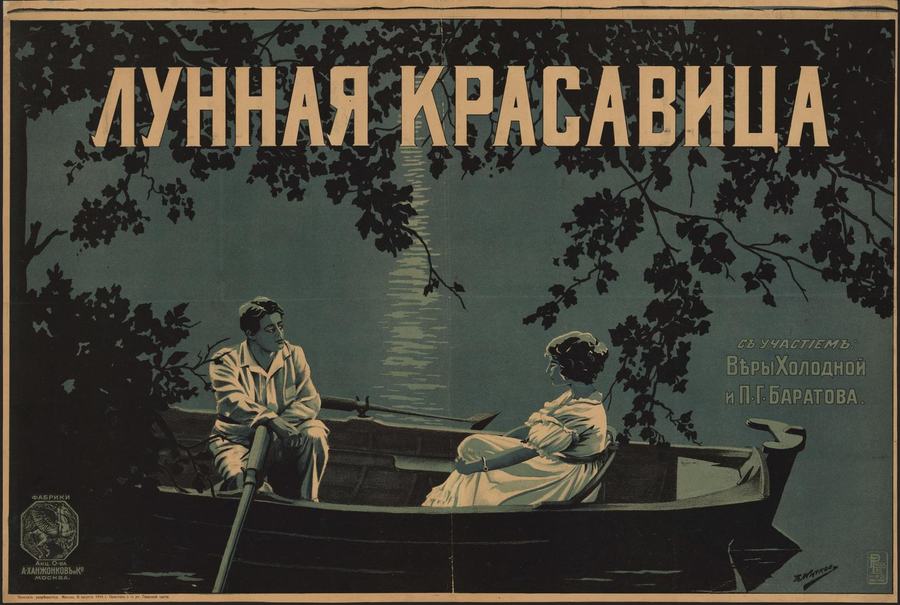
In the opulent, yet stifling, artistic echelons of pre-revolutionary Moscow, Elara, a dancer of ethereal grace and profound melancholy, finds herself christened 'Lunnaya krasavitsa'—the Moonlit Beauty—a title reflecting her captivating, sorrow-tinged allure. Her artistic ascent is inextricably linked to Count Valerius, a powerful, possessive patron whose lavish commissions elevate her status even as his manipulative affections ensnare her. Valerius, a connoisseur of beauty and control, orchestrates a grand ballet as a testament to both Elara’s talent and his dominion over her. Beneath this glittering facade, Elara's heart silently yearns for Alexei, a struggling sculptor whose raw, unvarnished art stands in stark contrast to Valerius's gilded superficiality. Alexei perceives the quiet desperation concealed by Elara's dazzling performances, and their clandestine encounters become a fragile sanctuary of genuine connection. As Valerius's paranoia intensifies, Elara's world shrinks, transforming the promised artistic liberation into a gilded cage. The impending premiere of the ballet, meant to be a triumph, looms as a symbol of her entrapment. Driven by an unyielding love, Alexei endeavors to expose Valerius's cruelty, igniting a public scandal that threatens to consume both Elara's reputation and his own artistic future. During the ballet’s climactic performance, Elara, at the precipice of emotional and professional ruin, executes a poignant act of defiance, shattering the illusion of Valerius's control and collapsing the carefully constructed spectacle. Her future, and the nature of her newfound freedom, remain shrouded in the poignant ambiguity of a beauty irrevocably altered, leaving only echoes in Alexei’s art.
Review Excerpt
"
A Luminous Tragedy: Revisiting 'Lunnaya Krasavitsa'
There's an undeniable allure to the silent era, a cinematic language spoken through gestures, expressions, and the stark poetry of black and white. Within this world, a film like 'Lunnaya krasavitsa' (The Moonlit Beauty), if it were to exist in our historical records beyond its evocative title, would undoubtedly stand as a testament to the period's profound melodramatic capabilities, its exploration of human fragility, and the often-t..."