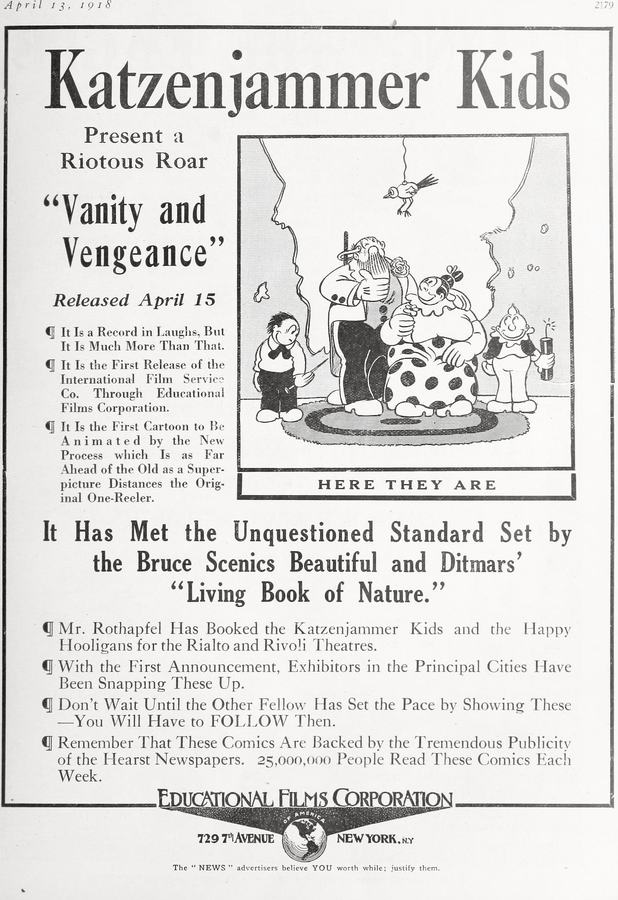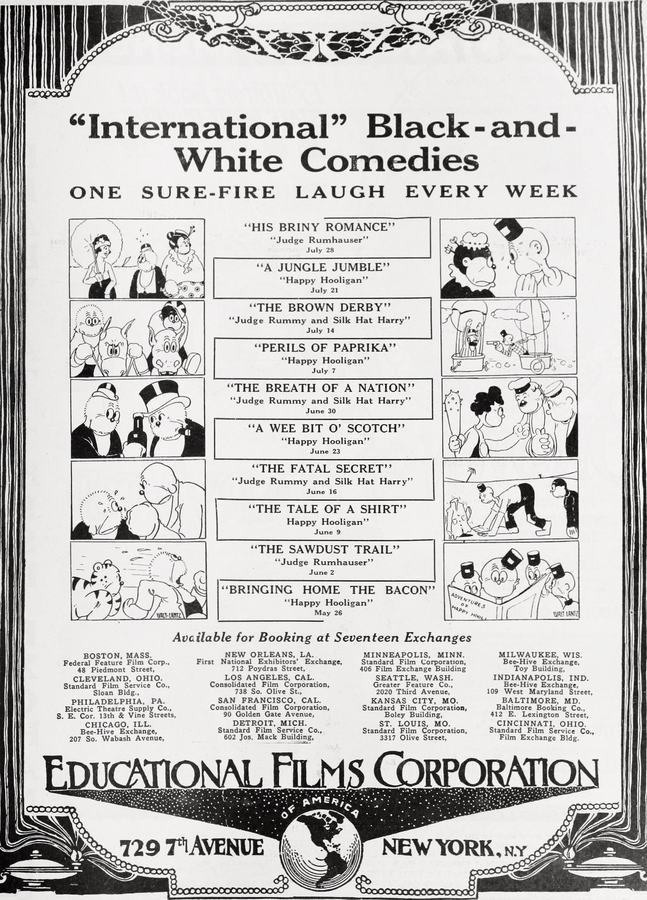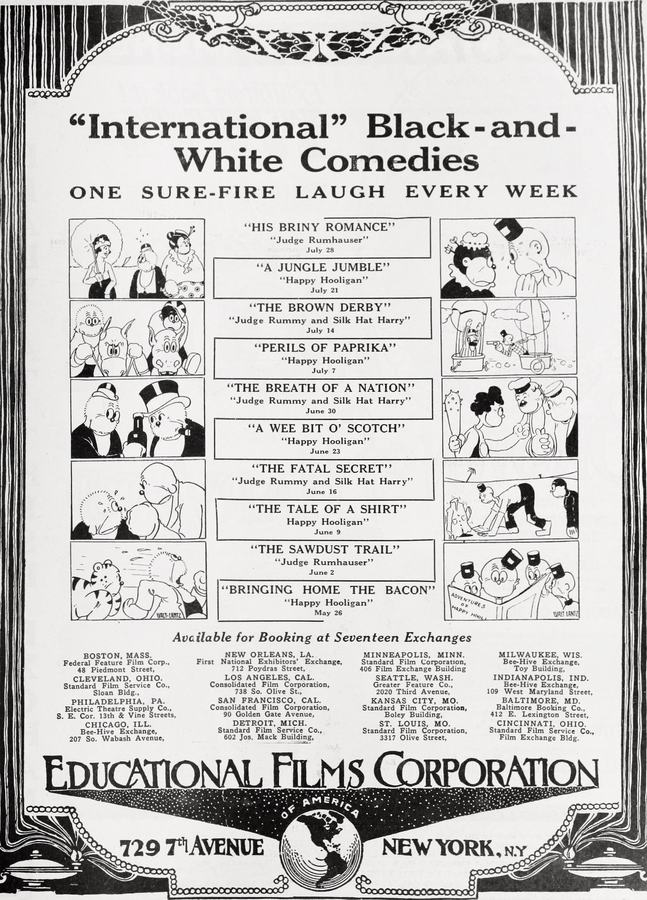
The year 1916 occupies a peculiar, almost liminal space in the history of the moving image. While the titan of the industry were busy refining the grammar of the feature-length drama—think of the heavy, atmospheric weight found in The Turn of the Road—a different kind of revolution was brewing in the inkwells of New ...
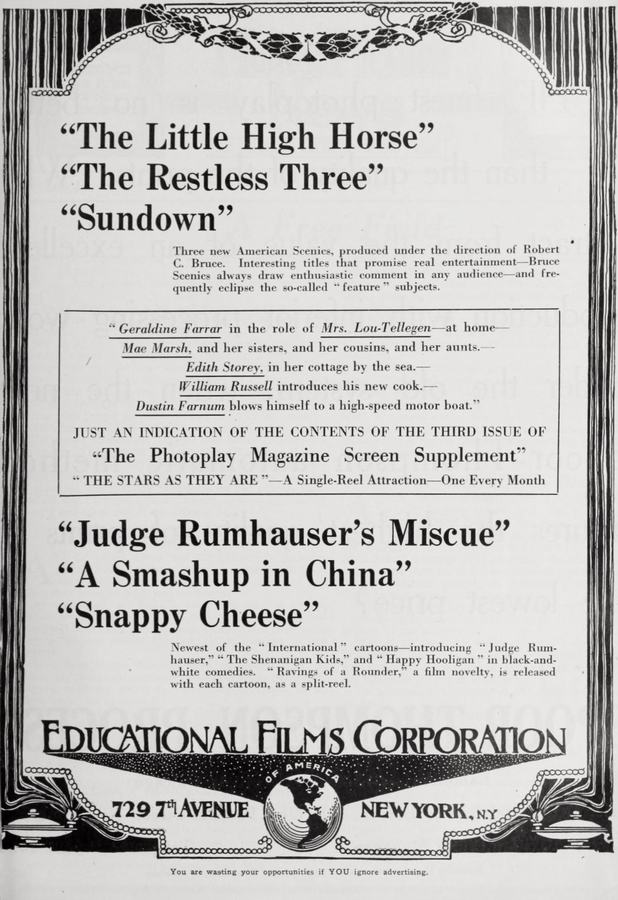
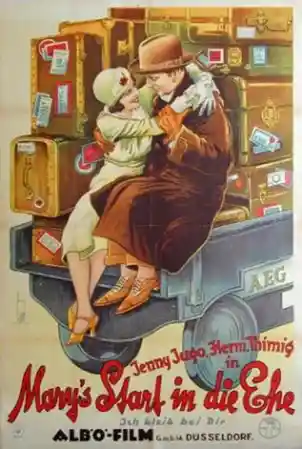
Comparing the cinematic DNA and archive impact of two defining moments in cult history.
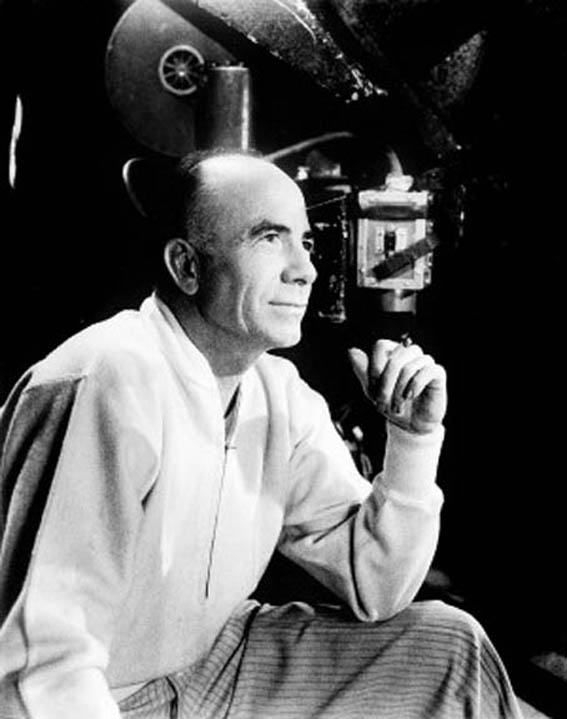
Gregory La Cava
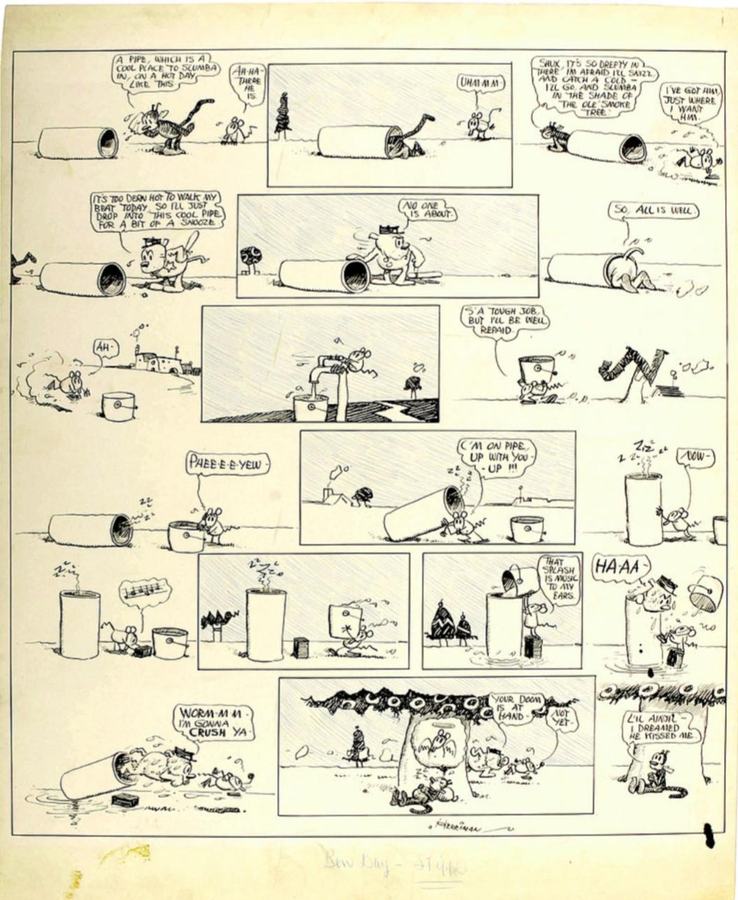
Gregory La Cava
Community
Log in to comment.
" The year 1916 occupies a peculiar, almost liminal space in the history of the moving image. While the titan of the industry were busy refining the grammar of the feature-length drama—think of the heavy, atmospheric weight found in The Turn of the Road—a different kind of revolution was brewing in the inkwells of New York. A Wee Bit o' Scotch, a brief but incandescent flash of animated brilliance, represents the intersection of newspaper syndication and the cinematic avant-garde. It is a work t..."
Deep dive into the cult classic
Discover similar cinematic experiences
A Directorial Spotlight on Gregory La Cava