DbcultAccessing Vault...
5.1/10
Senior Film Conservator
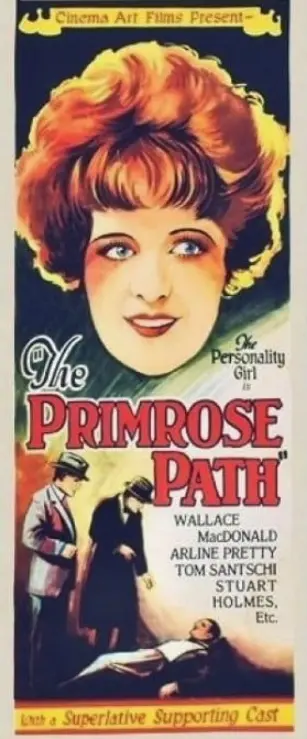
A definitive 5.1/10 rating for a film that redefined the boundaries of cult cinema. The Primrose Path remains a cornerstone of transgressive art.
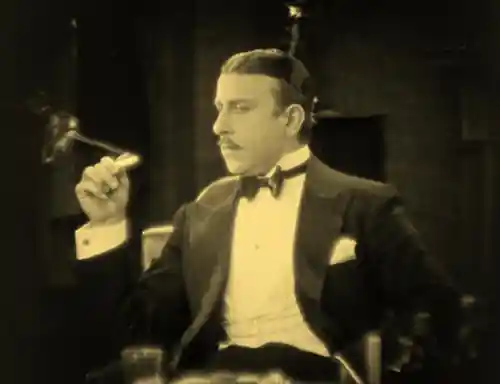
As the sun sets on the opulent yet crumbling facade of Bruce Armstrong’s life, we are drawn into the tumultuous tale of 'The Primrose Path', a 1925 silent film that masterfully weaves themes of decadence, greed, and redemption. Wallace MacDonald’s portrayal of Armstrong is a tour de force, capturing the essence of a man who, despite his affluence, has become both a victim of and an enabler to his own worse impulses.
At the core of this narrative is the unyielding support of Marilyn Merrill, played with a blend of vulnerability and resilience by Clara Bow. Her character serves as a poignant counterpoint to Armstrong’s self-destructive behavior, embodying the enduring hope of a relationship that should not be, yet remains unbroken. Bow’s performance is a testament to the power of silent films to communicate complex emotions through the subtlest of facial expressions and body language.
When Armstrong, driven by a combination of alcoholism and gambling addiction, loses a significant sum to his employer, he finds himself in a dire predicament. His spiraling descent into despair is only exacerbated when he is unable to cover his debts with bad checks. The film’s narrative is a masterful blend of melodrama and suspense, as Armstrong seeks a way out of his financial quagmire. His solution, though perilous, is a foray into the illegal world of diamond smuggling, a dangerous pursuit that tests not only his resolve but also the limits of his moral compass.
The supporting cast, including Pat Moore, Henry Hall, and Lydia Knott, adds depth and complexity to the narrative, each character contributing to the overall atmosphere of corruption and opportunism. The chemistry between the lead actors, particularly MacDonald and Bow, is palpable, creating a narrative tension that keeps the audience on the edge of their seats.
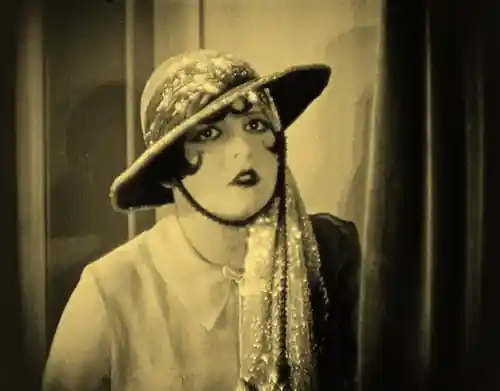
Technically, 'The Primrose Path' is a remarkable achievement, especially considering the silent era’s limitations. The film’s use of lighting and cinematography is particularly noteworthy, with scenes that evoke a sense of both the opulence and the decay of Armstrong’s world. The transition from the opulent casino to the gritty streets where Armstrong engages in his illicit activities is particularly effective, creating a stark contrast that underscores the chasm between Armstrong’s former life and his current state.
The screenplay, penned by Leah Baird and E. Lanning Masters, is a finely tuned piece of narrative machinery. It balances the emotional highs and lows with a steady hand, ensuring that the film maintains a sense of pacing and coherence. The dialogue, although constrained by the limitations of the time, is sharp and to the point, often highlighting the stark contrasts between the characters’ actions and their desires.
Comparatively, 'The Primrose Path' shares thematic and stylistic similarities with films like 'Just a Good Guy' and 'King Solomon's Mines'. Both share a sense of moral ambiguity and a focus on the human condition, albeit in different contexts. 'Just a Good Guy' delves into the complexities of moral integrity, much like 'The Primrose Path', while 'King Solomon's Mines' explores the darker aspects of adventure and survival. However, 'The Primrose Path' stands out for its intimate and personal focus, contrasting starkly with the larger-than-life adventures of its counterparts.
The film’s exploration of gender dynamics is also noteworthy. Marilyn Merrill’s character, played by Clara Bow, represents a form of agency and resilience that was not often depicted in films of the era. Her relationship with Armstrong is a complex one, embodying the struggle between dependency and independence, a theme that resonates with modern audiences.
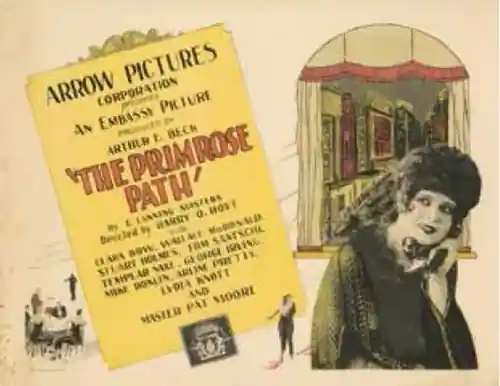
Visually, 'The Primrose Path' is a feast for the eyes. The lavish sets and costumes, particularly those worn by Clara Bow, are a testament to the craftsmanship of early 20th-century filmmaking. The attention to detail in these elements adds to the film’s overall sense of authenticity and period-accuracy.
However, the film is not without its flaws. At times, the pacing can feel slightly uneven, with moments that feel rushed or drawn out. Additionally, the resolution of the narrative may feel somewhat abrupt, as if the story’s arc is cut short. Nevertheless, these minor shortcomings do not detract from the overall impact of the film, which remains a powerful and thought-provoking piece of cinema.
In conclusion, 'The Primrose Path' is a remarkable piece of early 20th-century filmmaking. Its exploration of themes such as greed, redemption, and the human condition are timeless, making it a film that continues to resonate with audiences today. Wallace MacDonald and Clara Bow’s performances are standout elements, elevating the narrative and making the character interactions deeply engaging. While it may not be a perfect film, 'The Primrose Path' is a must-watch for anyone interested in the evolution of cinema and the enduring power of well-crafted storytelling.
Watch 'The Primrose Path' (1925)
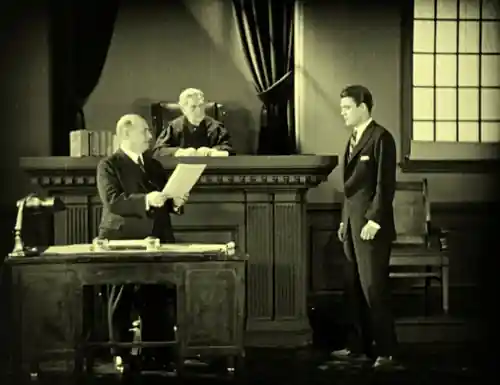
Discover 'King Solomon’s Mines'
Learn More About 'You Find It Everywhere'
Read About 'Fares and Fair Ones'
Discover 'The Flash of an Emerald'
Learn More About 'Tom, Dick and Harry'

IMDb —
1918
Community
Log in to comment.