United States
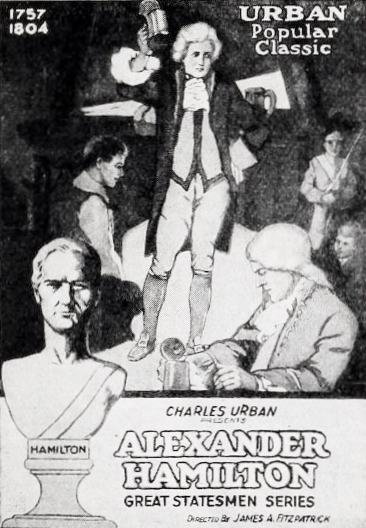
To witness John G. Adolfi’s Alexander Hamilton is to step into a time capsule that captures the very moment Hollywood began to grapple with the gravity of the spoken word. Released in 1931, a mere four years after the sound revolution, the film serves as a magnificent, if occasionally static, showcase for the idiosy...

Comparing the cinematic DNA and archive impact of two defining moments in cult history.
Unknown Director
Unknown Director
Community
Log in to comment.
" To witness John G. Adolfi’s Alexander Hamilton is to step into a time capsule that captures the very moment Hollywood began to grapple with the gravity of the spoken word. Released in 1931, a mere four years after the sound revolution, the film serves as a magnificent, if occasionally static, showcase for the idiosyncratic genius of George Arliss. Arliss, who also co-authored the play upon which this celluloid venture is based, approaches the title role with the meticulous precision of a watc..."