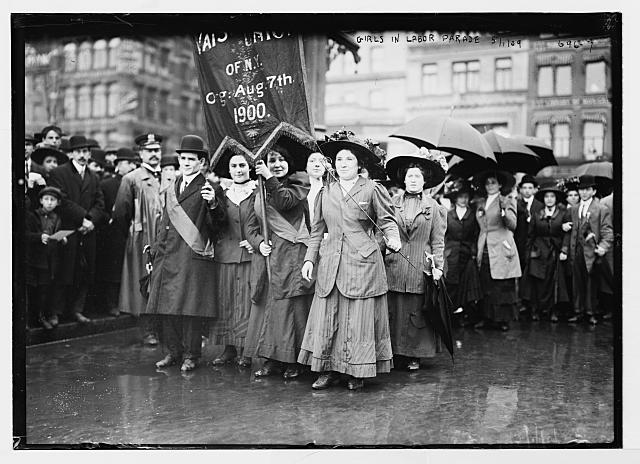
United States
The Enduring Echoes of Collective Will: A Deep Dive into 'May Day Parade' In the nascent dawn of cinematic art, when the camera was still largely a scientific marvel rather than a storytelling instrument, films like 'May Day Parade' emerged as vital, often accidental, historical documents. Devoid of ...
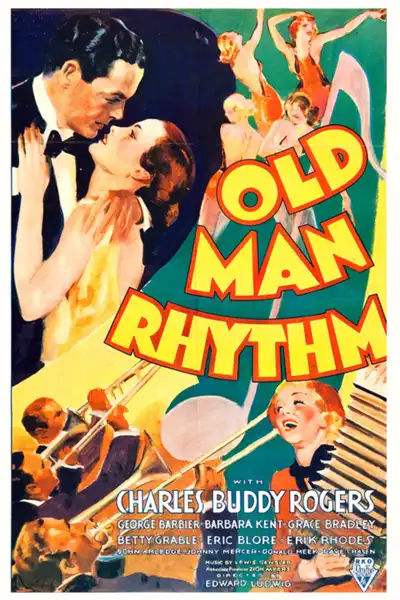
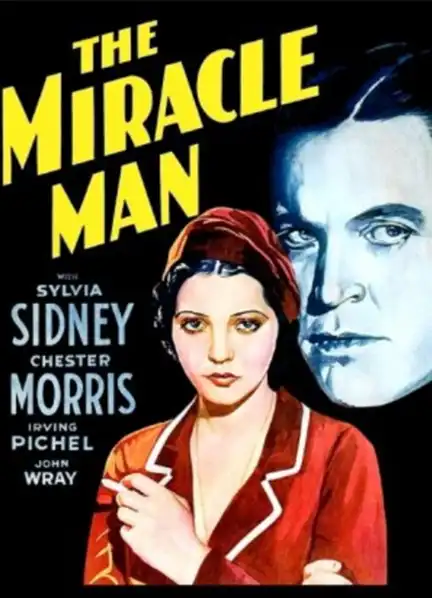
Comparing the cinematic DNA and archive impact of two defining moments in cult history.
Unknown Director
Unknown Director
Community
Log in to comment.
" The Enduring Echoes of Collective Will: A Deep Dive into 'May Day Parade' In the nascent dawn of cinematic art, when the camera was still largely a scientific marvel rather than a storytelling instrument, films like 'May Day Parade' emerged as vital, often accidental, historical documents. Devoid of intricate plots, professional actors, or elaborate sets, these early 'actualités' captured life as it unfolded, offering an unfiltered window into a bygone era. Our titular film, '..."