DbcultAccessing Vault...
6.5/10
Senior Film Conservator
A definitive 6.5/10 rating for a film that redefined the boundaries of cult cinema. The Spieler remains a cornerstone of transgressive art.
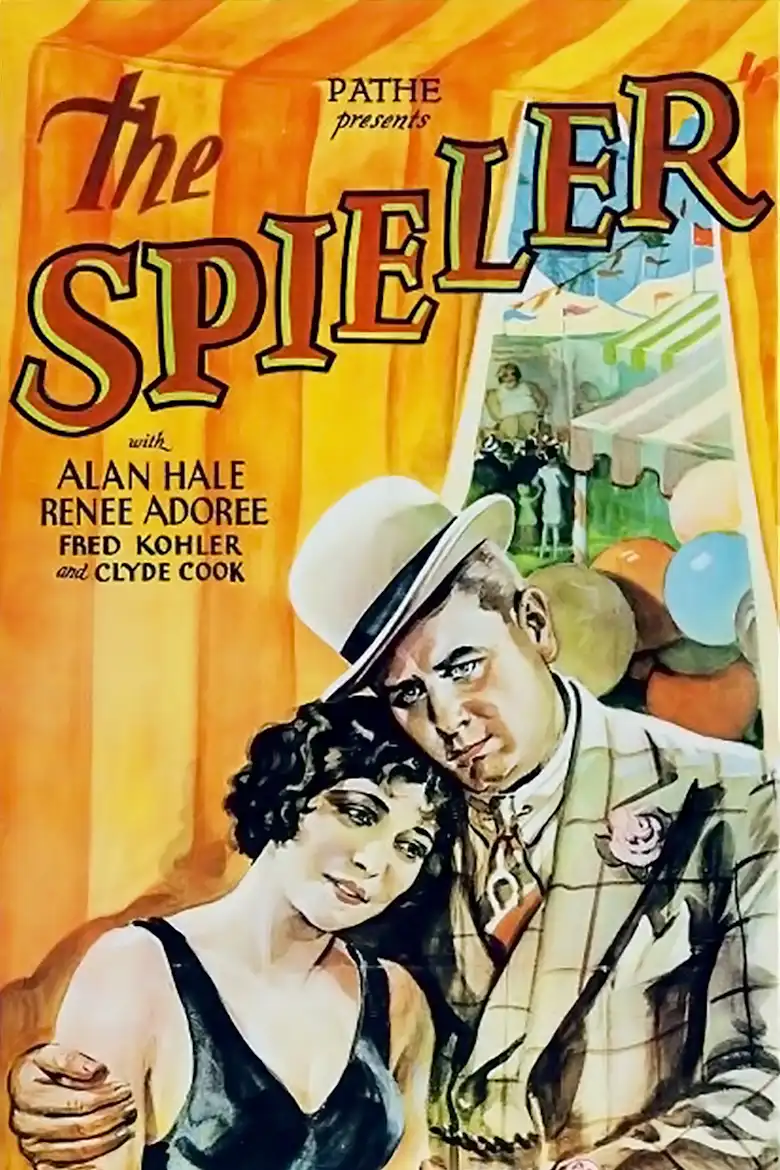
If you have any romanticized notions of 1920s carnivals being all twinkling lights and magic, The Spieler will kill that pretty quickly. This is a movie that feels like it smells like sawdust, cheap cigars, and unwashed wool. It’s worth a watch if you’re into that specific brand of pre-Code grit, or if you just want to see Alan Hale—years before he was the Skipper—looking like he could actually break someone’s arm.

Renée Adorée plays Cleo, who inherits the show and immediately puts out a call for 'honest' workers. It’s a bit of a naive premise, and Adorée plays it with this stiff, almost desperate sincerity. She’s trying so hard to be the boss that she comes off as brittle. You can see it in the way she holds her shoulders when she's talking to the crew; she’s waiting for someone to challenge her. It makes the moments where she softens toward Flash (Alan Hale) feel earned, even if the romance itself moves at that breakneck silent-movie speed where one look equals eternal devotion.

The real highlight isn't the romance, though. It’s the dynamic between Flash and his buddy Luke (played by Jimmy Dime). They’re 'dips'—pickpockets—who decide that the best place to hide from the law is a carnival that has publicly banned all criminals. It’s a clever bit of writing. There’s a scene early on where they’re just loitering, trying to look 'honest,' and they look so incredibly uncomfortable not having their hands in someone else’s pockets. Hale has this physical presence that fills the frame; he’s bulky and moves with a kind of casual arrogance that makes the whole 'reformed man' arc actually interesting to watch.

The carnival itself looks lived-in. It doesn’t look like a set. There’s a shot of the midway during a transition where the extras aren’t even looking at the camera or the main actors; they’re just haggling over food or staring at the ground. It gives the whole thing a documentary feel that you don't always get from films like The Dancer of Paris or even The Little Church Around the Corner, which feel much more 'staged.'
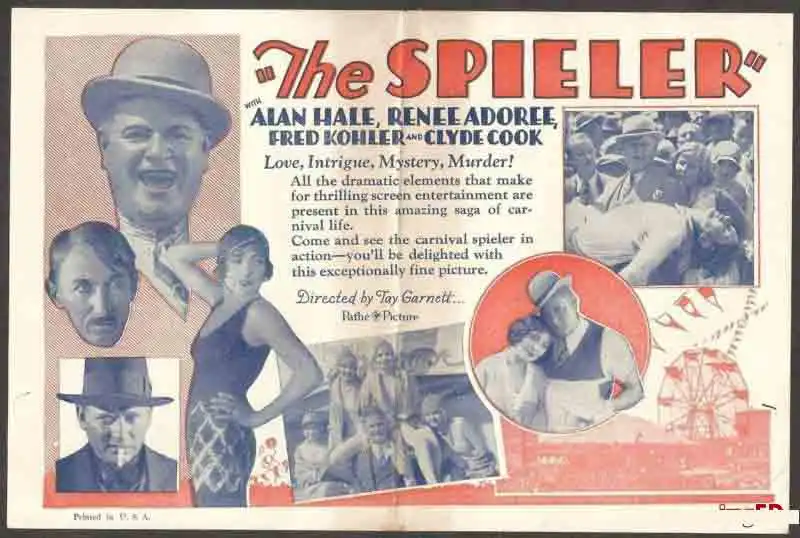
Things take a turn when Red Moon (Fred Kohler) enters the mix. Kohler is one of those silent actors who didn't need a script to tell you he was a piece of work. He just looks mean. The way he looms over the office safe during the robbery scene is genuinely tense. The editing gets a bit choppy here—there’s a weird jump cut when he’s framing Flash that made me think I’d missed a few seconds of footage—but the intent is clear.
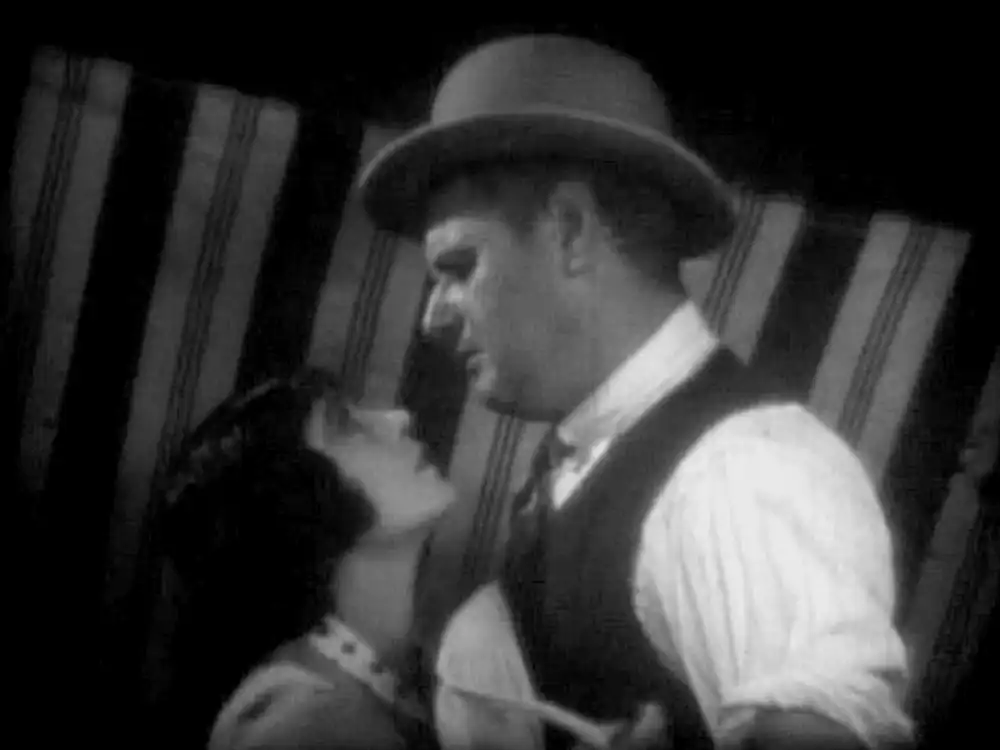
The ending is where the movie stops being a light-hearted 'scoundrel finds a heart' story and turns into a bit of a revenge thriller. When Red kills Luke, the tone shifts instantly. The buddy-comedy vibe evaporates. The final confrontation between Flash and Red Moon isn't a choreographed Hollywood fight. It’s a scramble. It’s messy and looks painful. When Flash finally snaps Red’s neck, the camera lingers just a second too long on the body. It’s surprisingly dark for 1928.
I did find myself checking the runtime during the middle stretch. There’s a long sequence involving a parade that feels like it was put there just to show off the costumes, and it kills the momentum of the safe-robbery plot. Also, some of the title cards are a bit wordy—they try to explain Flash’s internal conflict when Hale was already doing a perfectly good job of showing it with his face.
Still, for a movie about a 'clean' carnival, The Spieler is at its best when it’s being dirty. It’s a solid bit of filmmaking that doesn't feel the need to apologize for its characters being kind of terrible people at the start. If you’ve seen enough polished studio dramas like The Slave, this one will feel like a nice, rough change of pace.
IMDb —
1918
Community
Log in to comment.