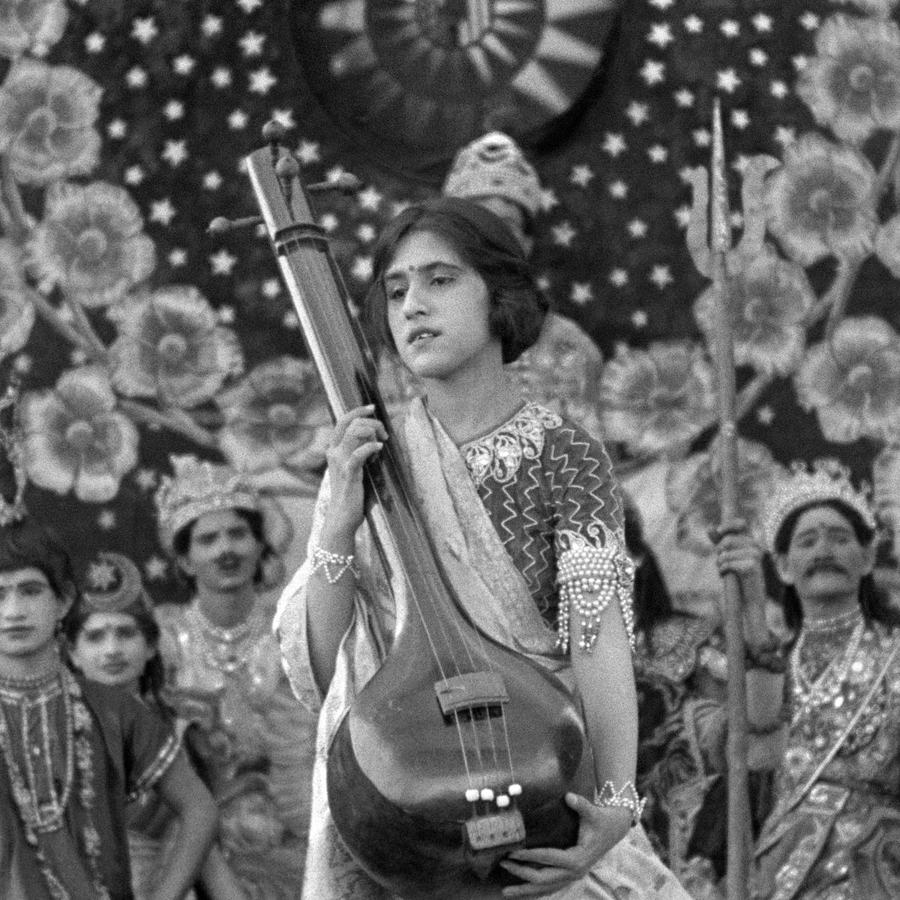
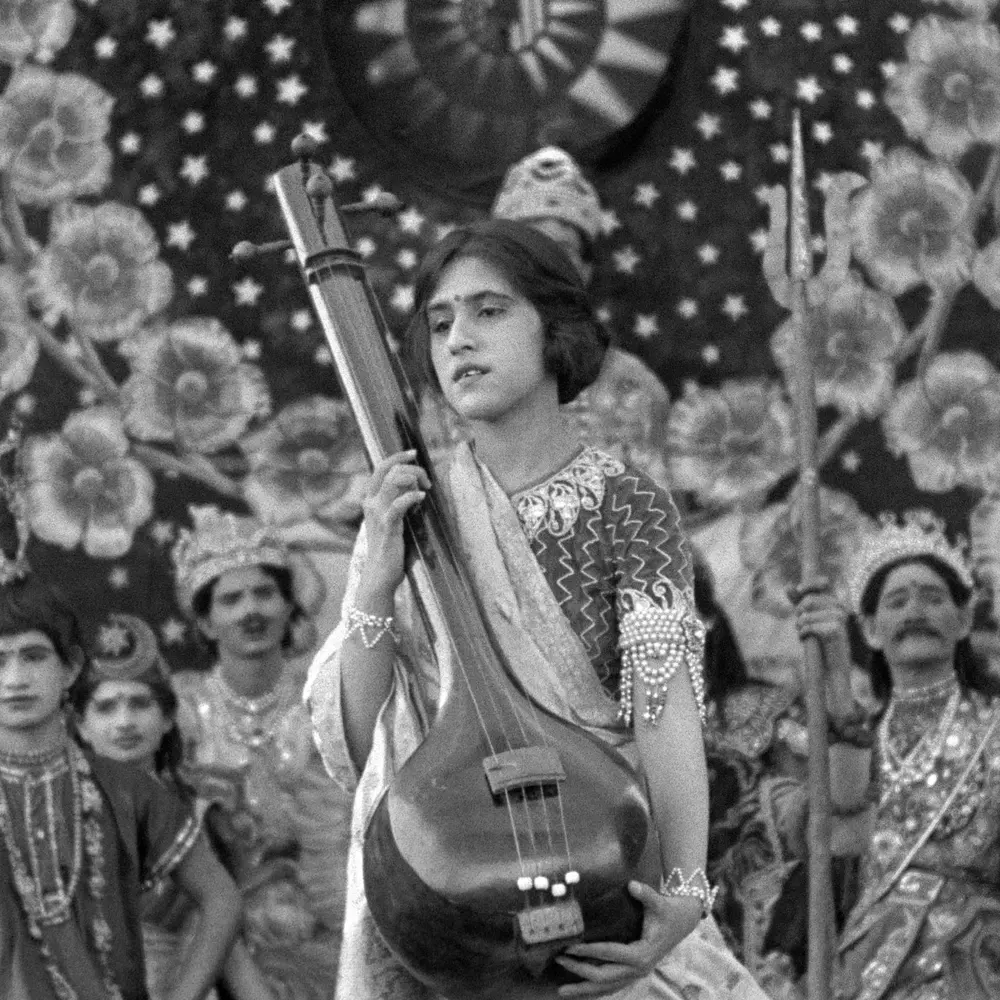
The merchant Chand Sadagar is a faithful devotee of Chandi, and Manasa attempts to attract him. Rejected by him, Manasa condemns his son, Lakhindar, to perish on the night of his marriage to the beautiful Béhula.
India
Behula, a relic of early cinematic mythmaking, emerges as a haunting interplay of spiritual conviction and familial doom. The film’s narrative, steeped in Bengali folklore, is rendered with a stark visual poetry that resonates with the silent film era’s penchant for symbolic storytelling. At its core lies Chand Sadagar...
still_frame


Community
Log in to comment.
"Behula, a relic of early cinematic mythmaking, emerges as a haunting interplay of spiritual conviction and familial doom. The film’s narrative, steeped in Bengali folklore, is rendered with a stark visual poetry that resonates with the silent film era’s penchant for symbolic storytelling. At its core lies Chand Sadagar (played by an unnamed actor), a merchant whose reverence for Chandi is both his moral compass and his fatal flaw. His refusal to entertain Manasa’s advances—a deity of serpentine ..."