DbcultAccessing Vault...
6/10
Senior Film Conservator
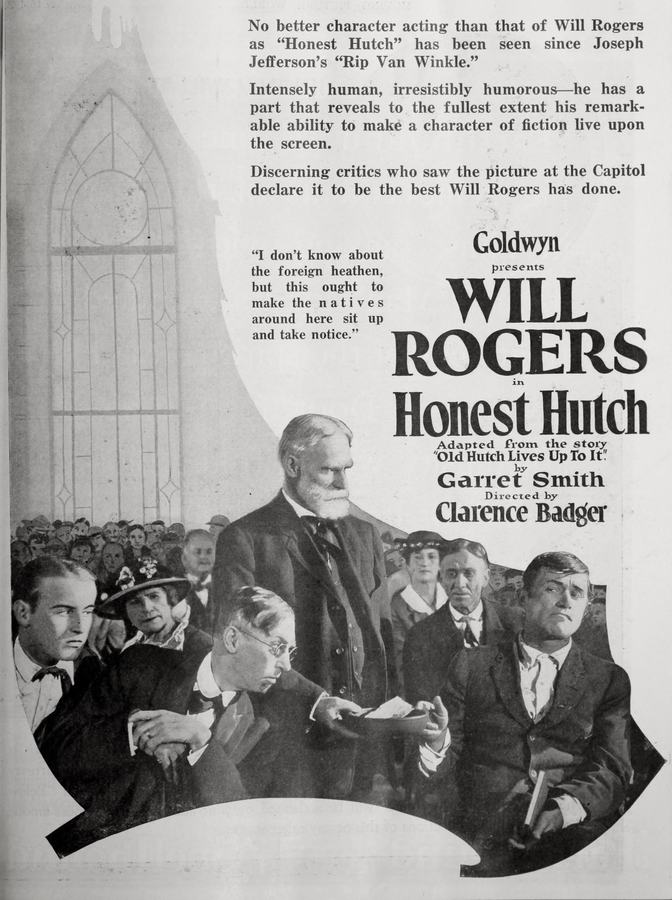
A definitive 6/10 rating for a film that redefined the boundaries of cult cinema. Honest Hutch remains a cornerstone of transgressive art.
In the annals of early cinematic storytelling, few narratives capture the quintessential American spirit of transformation and the inherent value of honest toil quite like 'Honest Hutch' (1920). This silent era gem, featuring the inimitable Will Rogers in a role that perfectly showcases his understated charm and evolving persona, presents a deceptively simple premise that unfurls into a profound exploration of character, serendipity, and the often-unforeseen paths to genuine prosperity. At its heart lies Ort Hutchins, a character initially painted with broad strokes of indolence, whose very existence seems to defy the Protestant work ethic that permeated much of early 20th-century American society. He is, to put it mildly, a confirmed loafer, a man whose days are spent in serene communion with a fishing rod, while his dutiful wife, portrayed with a quiet resilience by Mary Alden, shoulders the thankless burden of the washtub, symbolizing the domestic drudgery from which Ort so artfully absents himself.
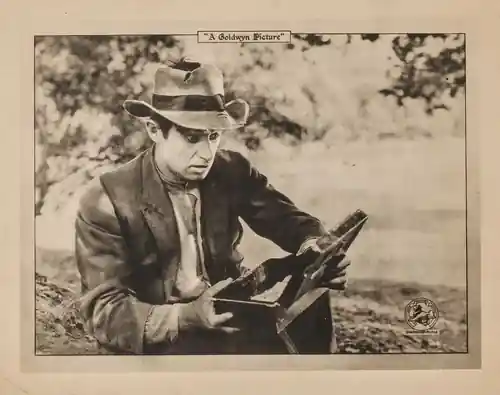
The narrative's inciting incident is a stroke of pure, unadulterated cinematic serendipity. While engaged in his sole productive activity – digging for worms, a task subservient to his primary indulgence – Ort unearths a wooden box. This isn't just any box; it's a treasure chest, brimming with a staggering $100,000 in bills, the ill-gotten spoils of a recent bank robbery in a neighboring town. This moment, captured with an almost whimsical irony, instantly catapults Ort from his comfortable inertia into a moral and practical quandary of immense proportions. The money, while undeniably real, presents an insurmountable obstacle: how does one, a known idler with no discernible source of income, suddenly come into such an exorbitant sum without immediately raising the most intense suspicion? It’s a brilliant narrative device, forcing Ort to confront the inescapable truth that unearned wealth, especially when significant, often comes with its own set of chains, binding the recipient more tightly than any honest labor ever could. This predicament is a stark contrast to the straightforward pursuit of justice seen in films like Fantômas: The False Magistrate, where the focus is on the chase, not the moral aftermath for the accidental recipient. For Ort, the money is both a dream and a nightmare, a golden cage that necessitates a dramatic shift in his lifestyle.
The film then pivots on Ort's reluctant but necessary decision: he must feign an honest living to provide cover for his illicit fortune. This isn't a moral awakening, not yet, but a pragmatic calculation. He accepts an offer from the shrewd banker Hiram Joy (Tully Marshall, whose portrayal adds a layer of astute observation to the proceedings) to work an abandoned farm, with the promise of a share in the land. This initial motivation is purely transactional, a strategic maneuver to legitimize his existence in the eyes of the community. The irony is palpable: Ort, who shunned work his entire life, is now compelled to embrace it, not for its intrinsic value, but as a smokescreen for wealth he cannot touch. This setup allows the film to explore themes that resonate deeply with the American ethos of self-reliance and the transformative power of labor, even when undertaken for ulterior motives. It’s a journey that, in its own way, mirrors the arduous paths to respectability or survival depicted in films like Oliver Twist, albeit with a vastly different starting point and a more comedic undertone.
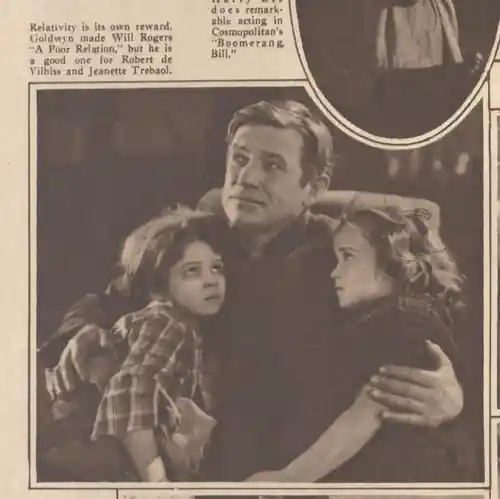
What begins as a mere pretense soon blossoms into something genuinely unexpected. Ort, initially approaching the farm work with the same lackadaisical attitude he applied to everything else, gradually finds himself drawn into the rhythm of the land. The physical exertion, the challenges of cultivation, and the tangible results of his efforts begin to chip away at his entrenched indolence. The film masterfully depicts this subtle yet profound metamorphosis, showing Ort not just toiling, but learning, adapting, and eventually, thriving. The abandoned farm, once a symbol of neglect, transforms under his hands into a prospering enterprise, a visual metaphor for Ort's own burgeoning character. This period of growth is crucial, as it lays the groundwork for his eventual self-realization. He isn't merely going through the motions; he is, inadvertently, becoming a farmer, a provider, a man of substance. The film celebrates the dignity of labor, demonstrating how engagement with productive work can reshape an individual's identity and sense of purpose. This unexpected success also alters his relationship with his wife, who witnesses firsthand his transformation from a burden to a partner, a dynamic that adds emotional depth to the narrative.
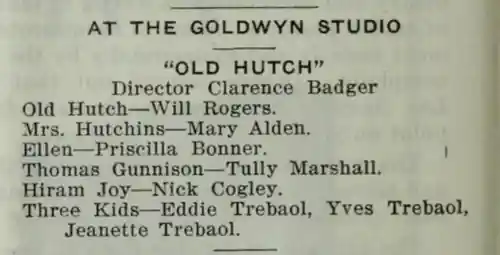
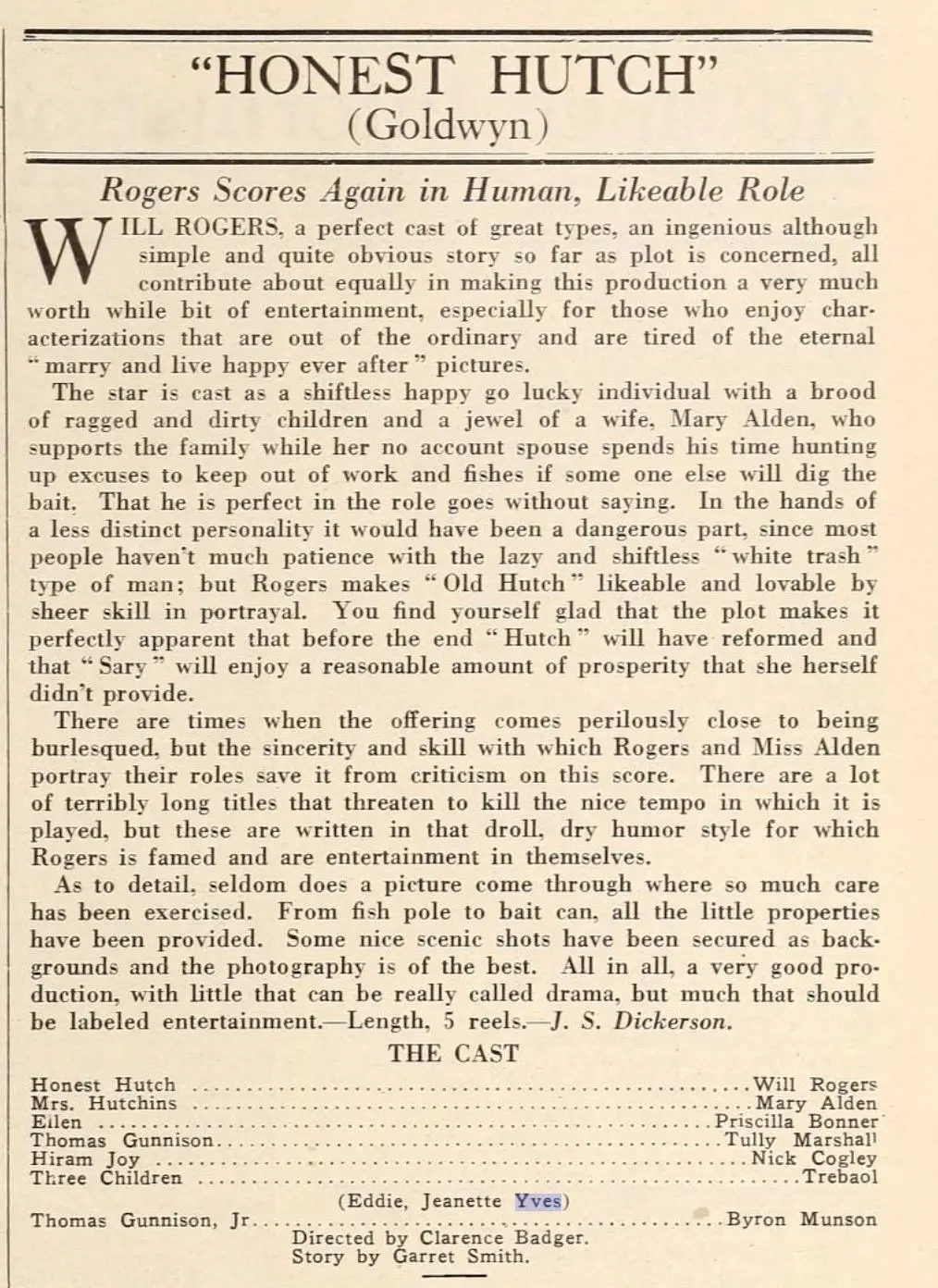
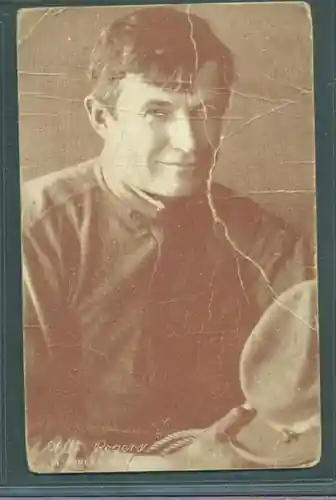
The casting of Will Rogers as Ort Hutchins is a stroke of genius. Rogers, renowned for his folksy wisdom and everyman appeal, imbues Ort with a relatable humanity, making his initial laziness forgivable and his eventual growth believable. He navigates the character's journey from shiftless apathy to burgeoning competence with a nuanced performance that relies heavily on facial expressions and body language, a hallmark of silent film acting. The supporting cast, including Mary Alden as Ort's long-suffering yet ultimately supportive wife, and Priscilla Bonner, Nick Cogley, Edouard Trebaol, and Tully Marshall, each contribute to the film's rich tapestry, providing the necessary foils and catalysts for Ort's development. Marshall's Hiram Joy, in particular, is a compelling figure, an astute observer of human nature who, perhaps unwittingly, sets Ort on his path to redemption. The interactions between these characters, often conveyed through intertitles and expressive gestures, build a believable community around Ort's personal drama.
The narrative reaches its emotional crescendo when Ort, confident in his newfound respectability, returns to retrieve his buried treasure. The moment of anticipation is palpable, only to be shattered by the discovery that the box is gone, replaced by a taunting note from the original robber. This revelation, a cruel twist of fate, initially plunges Ort into despair. The tangible symbol of his initial 'fortune' has vanished. Yet, this crushing disappointment is swiftly followed by a profound, almost cathartic, recovery. For just as he grapples with this loss, he receives an offer of $10,000 for his share of the now-prosperous farm. This offer is not merely a financial transaction; it is an epiphany. It forces Ort to confront the stark reality that the wealth he now possesses, the value he has created, is not derived from the hidden loot, but from his own efforts, his own ingenuity, and his own transformed character. The $10,000 represents not a consolation prize for a lost fortune, but the legitimate, hard-earned fruit of his labor.
This realization is the true heart of 'Honest Hutch.' Ort has, in a deeply ironic turn, become a self-made man, not through the money he found, but through the work he undertook to conceal it. The film brilliantly subverts the traditional treasure hunt narrative, demonstrating that the real treasure was never the buried cash, but the personal growth and integrity fostered by honest work. This thematic core resonates powerfully, offering a timeless commentary on the nature of true wealth. It’s a narrative arc that shares philosophical kinship with films where characters find unexpected meaning through adversity or a forced change of circumstances, much like the moral quandaries faced by characters in The Disciple, though 'Honest Hutch' maintains a lighter, more optimistic tone. The film suggests that genuine prosperity is not merely about accumulating capital, but about cultivating character and contributing meaningfully to one's community.
As a product of its time, 'Honest Hutch' exemplifies the visual storytelling prowess of the silent era. The direction, while perhaps less overtly stylized than some of its European contemporaries, is effective in conveying character emotions and plot developments through clear staging and expressive performances. Cinematography, though constrained by the technology of the day, utilizes natural light and effective framing to highlight the contrast between Ort's initial languor and his later industriousness. The rural setting of the farm provides a picturesque backdrop for Ort's transformation, emphasizing a return to agrarian ideals and the fundamental connection between man and land. The film's pacing allows for a gradual unfolding of Ort's character, giving the audience ample time to witness his internal and external shifts. The use of intertitles is judicious, providing essential dialogue and narrative exposition without overwhelming the visual flow. This delicate balance ensures that the film remains engaging, relying on the universal language of human experience rather than verbose explanations.
The film's exploration of themes like the American Dream, the work ethic, and the distinction between superficial and intrinsic wealth remains remarkably pertinent. It gently critiques the notion of easy money, advocating instead for the enduring satisfaction derived from honest effort. This message, delivered with Will Rogers' characteristic warmth and wit, avoids becoming preachy, instead inviting the audience to reflect on their own values. The comedic elements, often stemming from Ort's initial bumbling attempts at labor and his internal struggles, lighten the moral weight of the narrative, making it accessible and enjoyable. The final scene, where Ort fully embraces his new identity, is a triumphant moment, not just for the character, but for the thematic integrity of the film itself. It's a testament to the power of narrative to inspire and provoke thought, even without spoken dialogue or a complex score. The film, in its quiet way, argues that true honesty isn't just about not stealing; it's about being honest with oneself about the source of one's value.
'Honest Hutch' holds a significant place within the broader tapestry of early 20th-century cinema, offering a distinct perspective on themes explored in various forms by its contemporaries. While films like A Man and His Mate might delve into the rugged individualism of the frontier, 'Honest Hutch' grounds its narrative in the more domestic, yet equally challenging, arena of personal responsibility and agricultural endeavor. The film's lighthearted approach to a serious moral dilemma contrasts with the often darker explorations of crime and consequence found in features like Stop Thief! or even the more intense criminal narratives of Der Galeerensträfling, where the focus is squarely on the illicit act itself. Here, the stolen money serves primarily as a catalyst for growth, rather than a direct source of conflict or a tool for further criminal enterprise. This shift in focus is what elevates 'Honest Hutch' beyond a simple crime story into a character study.
Moreover, the film's portrayal of a man's journey from societal fringe to respected member, albeit an accidental one, resonates with the aspirational narratives of the era. It speaks to a belief in second chances and the capacity for personal reinvention, even for those initially deemed incorrigible. In an age where films like Over the Hill often depicted the harsh realities of life and the struggles of the working class, 'Honest Hutch' offers a more optimistic, albeit earned, vision of upward mobility. It’s a subtle commentary on the evolving understanding of success, moving beyond mere financial gain to encompass personal integrity and communal contribution. The film’s lasting impact lies not just in its entertainment value, but in its ability to encapsulate a fundamental truth: the most valuable treasures are often those forged through effort, not found by chance. It serves as a charming, insightful reminder that true wealth is ultimately a measure of character, a lesson delivered with a smile by one of America's most beloved entertainers.
IMDb —
1928
Community
Log in to comment.