DbcultAccessing Vault...
6.2/10
Senior Film Conservator
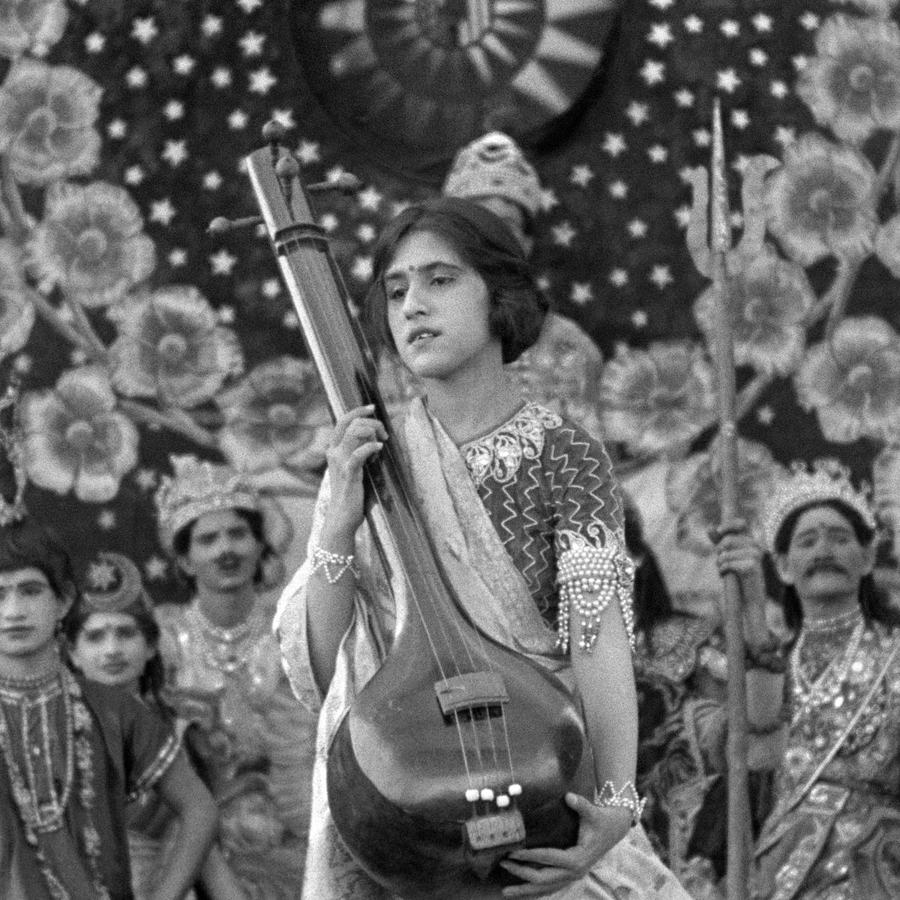
A definitive 6.2/10 rating for a film that redefined the boundaries of cult cinema. Behula remains a cornerstone of transgressive art.
Behula, a relic of early cinematic mythmaking, emerges as a haunting interplay of spiritual conviction and familial doom. The film’s narrative, steeped in Bengali folklore, is rendered with a stark visual poetry that resonates with the silent film era’s penchant for symbolic storytelling. At its core lies Chand Sadagar (played by an unnamed actor), a merchant whose reverence for Chandi is both his moral compass and his fatal flaw. His refusal to entertain Manasa’s advances—a deity of serpentine grace—sets in motion a chain of events that transcends human logic, blending the supernatural with the tragically intimate.
Patience Cooper, in the role of Béhula, embodies the archetype of the tragic heroine with a quiet ferocity. Her performance is a masterclass in physicality: a single glance, a hesitant hand movement, or a tear restrained speaks volumes in a medium where dialogue is absent. Cooper’s portrayal is particularly striking in the film’s climactic sequence, where Béhula’s resolve to save her husband Lakhindar from Manasa’s curse becomes a visual hymn to perseverance. The camera lingers on her face as she navigates the riverine trials, each frame a testament to the silent language of suffering and hope.
The film’s director, whose identity remains obscured by the passage of time, employs a minimalist aesthetic that amplifies the mythic dimensions of the story. The use of natural landscapes—dense forests, moonlit waterways, and shadowed temples—creates an atmosphere where the divine and the mortal coexist uneasily. One particularly striking sequence involves a serpent deity slithering through a temple corridor, its movements choreographed to mirror the flicker of a flickering flame. This visual metaphor for Manasa’s duality—both destroyer and seductress—underscores the film’s thematic core: the inescapability of fate when mortals defy cosmic hierarchies.
Comparisons to The Folly of Desire are inevitable, given both films’ exploration of divine jealousy. Yet Behula diverges by placing the tragedy squarely within the domestic sphere. Unlike the operatic grandeur of Die Insel der Seligen, which uses grandiose sets to mirror its characters’ spiritual turmoil, Behula finds its power in intimacy. The curse that befalls Lakhindar is not a spectacle but a slow, suffocating unraveling—a choice that aligns it more closely with the psychological realism of The Last of the Ingrams, albeit filtered through a mythic lens.
The film’s pacing, deliberate and almost ritualistic, invites parallels with The Breaking of the Drought, where time itself becomes a character. Yet Behula resists the didacticism that can plague silent films, opting instead for open-ended ambiguity. Is Béhula’s triumph over Manasa’s curse a validation of devotion, or merely a reprieve from the inevitable? The film’s refusal to resolve this question is its greatest strength, echoing the existential quandaries of The Echo of Youth.
Technically, the film is a product of its era but not beholden to its limitations. The use of double exposure to depict Manasa’s serpentine form is rudimentary yet effective, evoking the same uncanny quality that haunts Der violette Tod. The soundless nature of the film—its only score being the absence of sound—creates a tension that modern audiences might initially find jarring. Yet this silence becomes its own character, a void that amplifies the emotional stakes of every glance and gesture.
For scholars of silent cinema, Behula is a fascinating artifact. Its narrative structure, while linear, is imbued with cyclical motifs—the river as both a barrier and a bridge, the recurring imagery of eyes (Manasa’s watchful gaze, Béhula’s pleading stare)—that suggest a deeper engagement with Hindu cosmology. These elements place it in a lineage with The Life of Moses, though Behula is more concerned with the inner lives of its characters than with theological exposition.
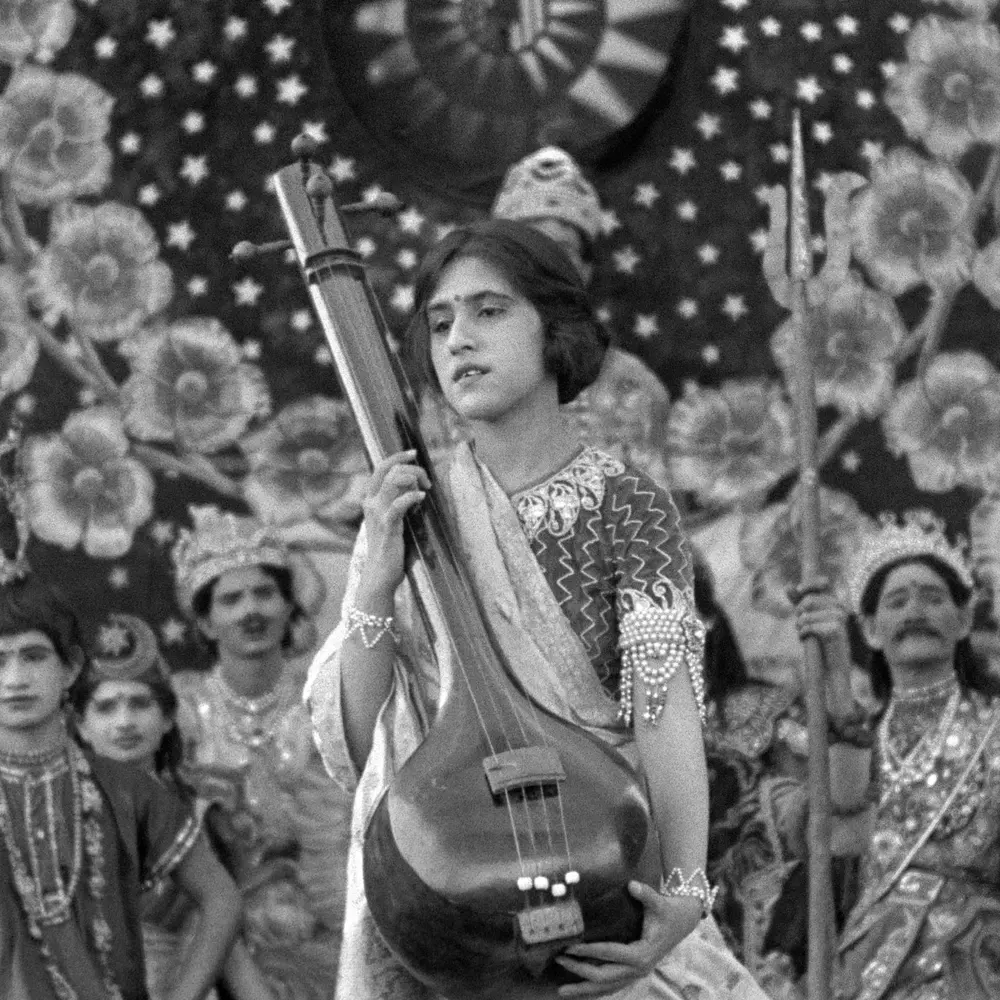
The film’s most enduring legacy may lie in its portrayal of female agency. Béhula is not a passive vessel of virtue but an active force of transformation. Her journey to the underworld mirrors the heroism of A Damsel in Distress’s protagonists, albeit with a darker, more fatalistic undertone. Cooper’s performance, devoid of melodrama yet rich in subtext, invites comparisons to the great silent film stars of the 1920s, though she predates them by decades.
In terms of pacing, Behula is perhaps most indebted to The Merry-Go-Round, with its interplay of stillness and motion. The camera often holds on static shots for extended durations, allowing the audience to absorb the weight of each scene. This technique, while initially disorienting, creates a meditative rhythm that aligns with the spiritual themes of the story.
The film’s handling of familial bonds is particularly nuanced. Chand Sadagar’s piety, while a source of strength, also becomes a chasm between him and his son. This generational divide is rendered with subtle visual cues—Lakhindar’s furtive glances at his father, the way Chand’s shadow looms over family scenes. These details suggest a deeper exploration of the conflict between tradition and individual desire, a theme echoed in Ducks and Drakes but filtered through a distinct cultural lens.
Cinematographically, Behula is a study in contrasts. The chiaroscuro lighting in the temple scenes creates a chiaroscuro of morality—Manasa’s scenes are awash in cold, serpentine blues, while Béhula’s sequences are bathed in warm, golden hues. This visual dichotomy is not merely aesthetic but thematic, suggesting that light and dark are not absolutes but shifting states of being. Such technical choices place the film in conversation with Steelheart, though Behula lacks the overt industrial imagery of that work.
For modern viewers, the challenge lies in reconciling Behula’s mythic ambitions with its period limitations. The film’s pacing, while deliberate, may test the patience of those accustomed to narrative urgency. Yet for those willing to surrender to its rhythm, the film offers a rare glimpse into a world where the divine is inescapably entwined with the mundane. It is a world not unlike our own, where devotion can be both salvation and ruin.
In the pantheon of early cinema, Behula occupies a unique space. It is neither a historical curiosity nor a masterwork of the silent era, but something in between—a film that speaks as much to the cultural imagination as to the technical possibilities of its time. Its legacy is further cemented by the haunting presence of Patience Cooper, whose performance ensures that Béhula remains a figure as memorable as the curse she defies.
Ultimately, Behula is a film that resists easy categorization. It is a tragedy, a myth, and a meditation on the costs of devotion. Its influence can be traced in the works of later filmmakers who grapple with similar themes, from Kiss Me, Caroline to A Vida do Barão do Rio Branco. Yet its enduring power lies in its ability to make the mythic feel intimately human—a feat that few films, even in the age of sound, have matched.
IMDb 3.8
1910
Community
Log in to comment.