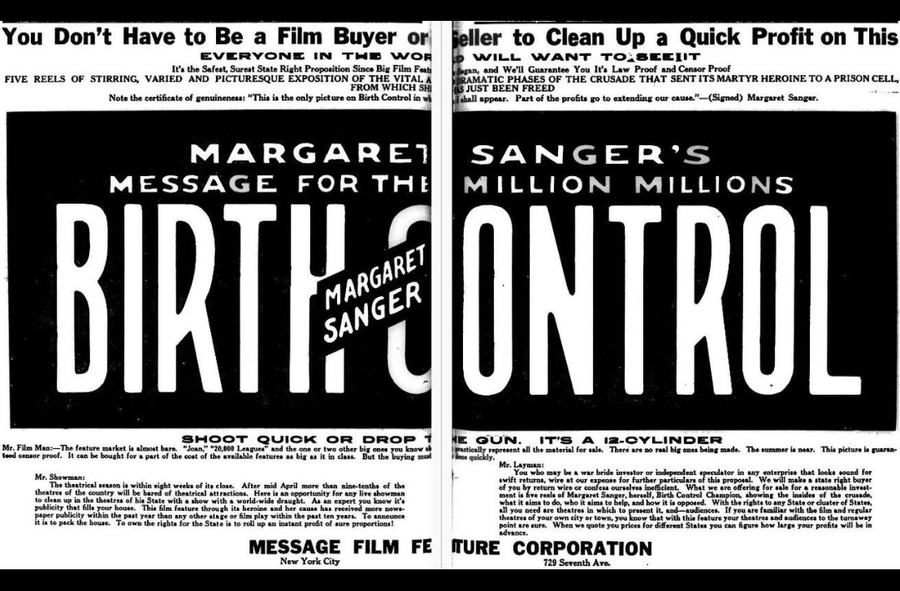
A documentary film based on the family-planning work of Margaret Sanger..
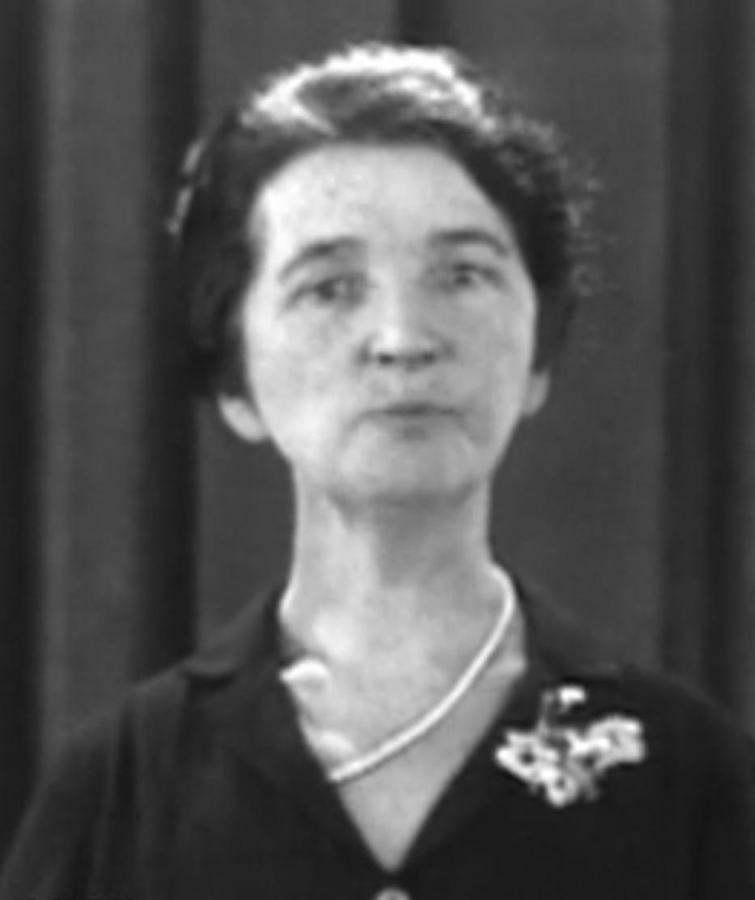
Margaret Sanger
United States
Grainy nitrate breathes like living tissue in Birth Control, a film that refuses the sterile hush of textbook history. Instead it conjures the coppery scent of back-alley blood, the hiss of kerosene lamps illuminating basement print-shops where Margaret Sanger’s pamphlets were forged like illicit currency. Director-...

Community
Log in to comment.
" Grainy nitrate breathes like living tissue in Birth Control, a film that refuses the sterile hush of textbook history. Instead it conjures the coppery scent of back-alley blood, the hiss of kerosene lamps illuminating basement print-shops where Margaret Sanger’s pamphlets were forged like illicit currency. Director-editor Estelle Wilcox stitches found footage onto contemporary 16 mm, letting emulsion scratches become scar tissue. We watch Sanger’s silhouette slip through 1912 snow on Amboy St..."