DbcultAccessing Vault...
7.2/10
Senior Film Conservator
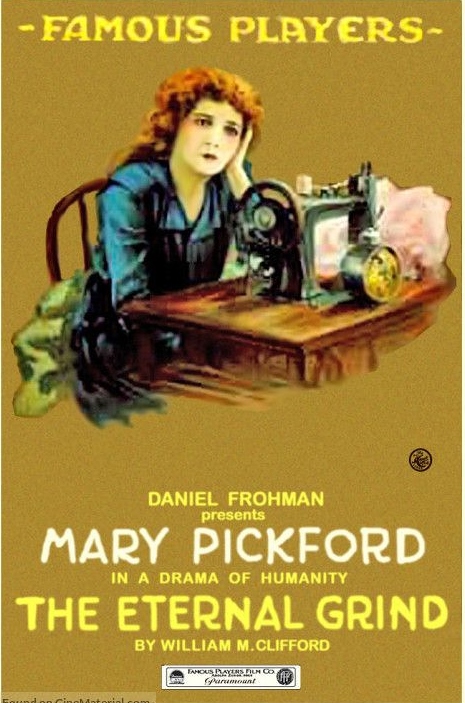
A definitive 7.2/10 rating for a film that redefined the boundaries of cult cinema. The Eternal Grind remains a cornerstone of transgressive art.
Imagine a film where the camera itself seems to breathe lint-choked air; where every intertitle arrives like a union flyer smuggled past the foreman. That is The Eternal Grind, a 1916 gauntlet thrown down by the short-lived but combustible producing partnership of Mary Pickford and veteran scenarist William H. Clifford. Shot in twelve feverish days on a cramped Santa Monica soundstage re-dressed as a New England mill town, the picture marries Dickensian outrage to Griffith-esque montage, yet sidesteps the era’s sentimental potholes with a surprise left-hook of proto-feminist resolve.
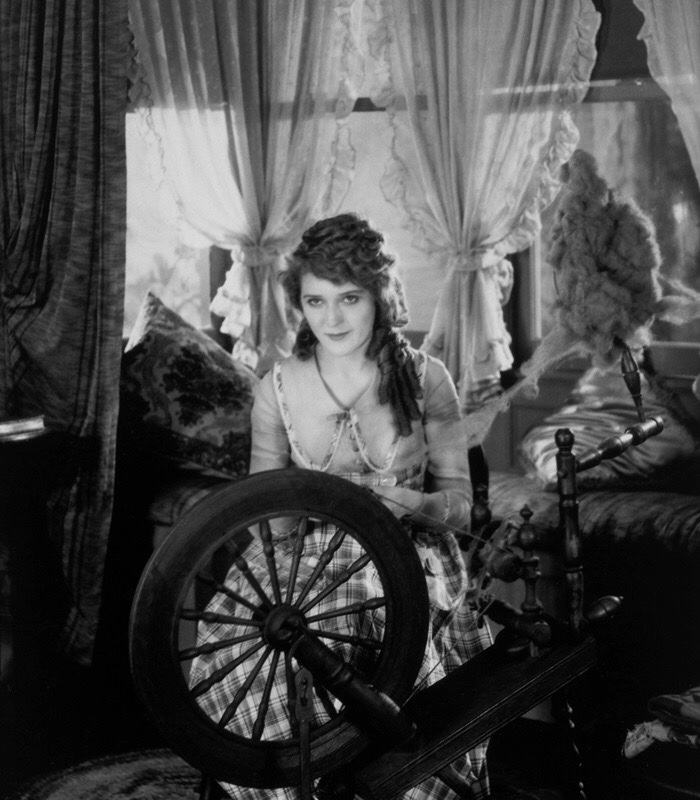
Cinematographer Allen Siegler—later celebrated for his snow-blinded vistas in The Lost Chord—relied on carbon-arc lamps filtered through cheesecloth soaked in weak tea, bleaching the images until skin tones resemble bloodless parchment and shadows pool like printer’s ink. The result is a visual fatigue that infects the viewer: we feel the workers’ eyestrain. Compare this to the cream-smooth glow of A Girl of Yesterday, where Pickford’s sparkle is preserved under satin lighting; here, even her famous ringlets hang lank, soaked in factory steam.
Owen Wharton, essayed with bashful rectitude by John Bowers, is the moral counterbalance to his father’s ledger-book cruelty. Bowers’ trick is to let anxiety leak through the matinee-idol grin: when Mary (Loretta Blake) recites mortality statistics over tea, his pupils vibrate like a gauge needle. Their courtship scenes—shot mostly in chiaroscuro two-shots—feel illicit not because of sex but because of class; every stolen conversation is a felony against capitalism.
Ernest, meanwhile, is a silk-roared Mephistopheles. Tammany Young plays him with feral physicality—watch how he peels an apple in one uninterrupted motion while bargaining for Amy’s virginity. The slicing sound on the soundtrack (added by regional exhibitors) became so notorious that several Midwestern censors excised the sequence, believing audiences could “hear wickedness.”
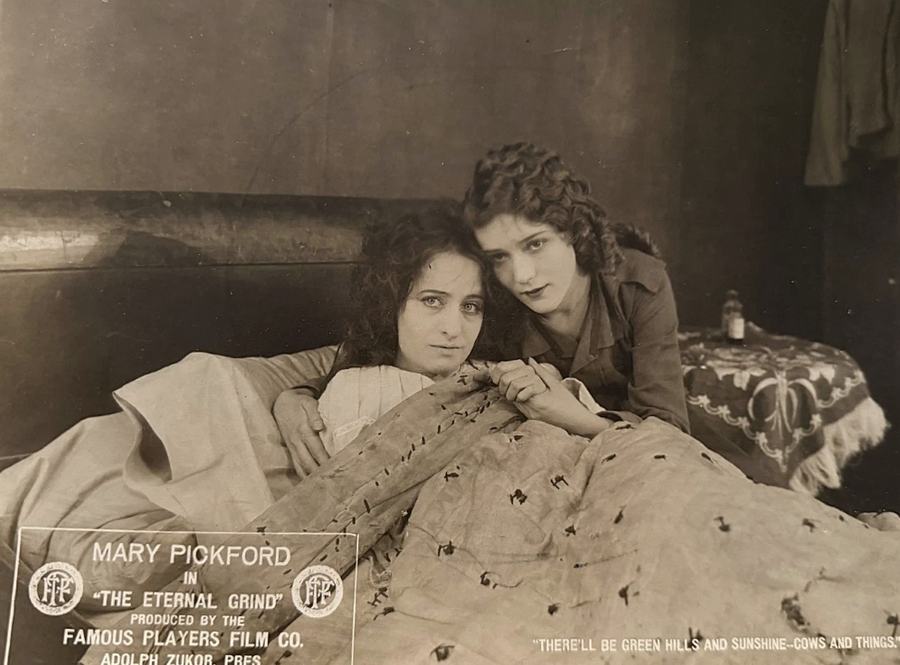
If the plot pivots on a pistol, its powder is female fury. Loretta Blake’s Mary is no swooning rag doll; she calculates. When she corners Ernest in the carriage, the camera adopts her POV: we watch his swagger dissolve through the gauze of rain-soaked windows. Blake’s performance—equal parts Joan of Arc and shop-steward—earned her a fan-mail sack second only to Pickford that year. Dorothy West, as the consumptive Jane, has the smaller role but supplies the film’s emotional tuning fork: her off-screen cough during the climactic marriage negotiation bleeds pathos into every frame.
Pickford herself, though uncredited on-screen, supervised the editing, reportedly slicing three reels of romantic filler to keep tension coiled. Biographer Eileen Whitfield argues this was her “graduate seminar” in power before founding United Artists.
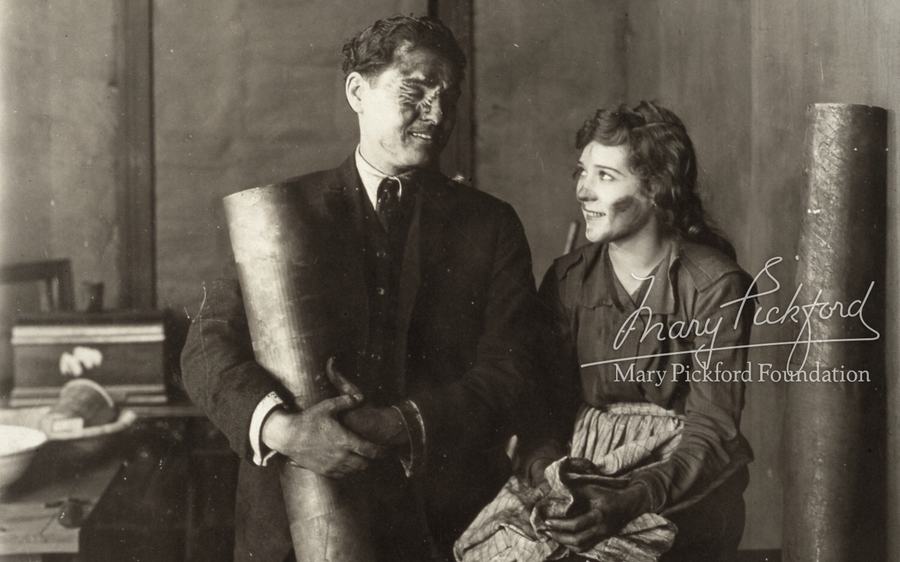
Scholars of silent melodrama love to catalogue forced-marriage tropes, yet few scenes match the sadistic elegance of Mary’s siege. She doesn’t merely threaten; she humiliates, forcing Ernest to repeat vows after her like a catechism of shame. The marriage, once solemnized, is not a defeat but a corporate takeover: Amy becomes shareholder in his reputation, Mary secures the purse-strings for Jane’s cure, and the patriarchal engine backfires.
Compare this twist to A Butterfly on the Wheel, where the wife’s revenge is posthumous, or Eva, where redemption arrives via deus-ex-diamonds. In The Eternal Grind the gun is not a phallic prop; it is a ballot.
Owen’s industrial concussion feels almost predestined—his skull cracked by the same machinery he sought to humanize. The coma sequence, rendered through triple-exposure dissolves, superimposes spinning loom shuttles over his placid face, implying that even in sleep he cannot unhook from the grind. His delirious invocation of Mary is less romantic cue than political ransom: only she can translate his groans into legislation.
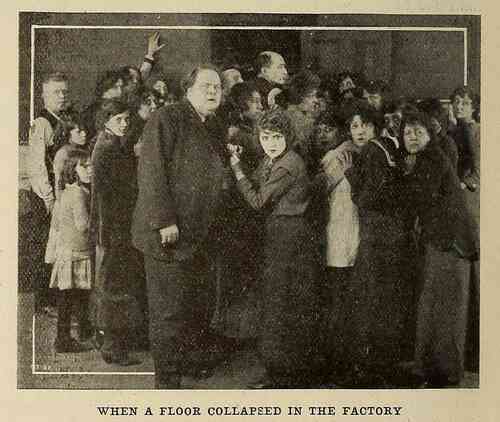
James Wharton’s capitulation—contractual promises inked at sickbed—mirrors the epoch’s real-life reform charters. Historian Janet Staiger notes that exhibitors in mill districts were encouraged to pair the film with local labor-leaflet drives, turning nickelodeons into informal union halls.
Post-marriage Ernest is not “tamed” in reactionary fashion; he is bankrupted of voyeuristic capital. Cinematically, his transformation is charted through costume: the dandy’s velvet collar gives way to a plain cotton shirt, the cravat replaced by the same soot that smudges his wife’s hem. Tammany Young’s body language evolves from lupine saunter to guarded stance—watch him hover at doorframes, uncertain whether he is captor or captive. It is a rare early example of a male character achieving depth through domestic accountability rather than battlefield glory.
Critics who dismiss the ending as patriarchal cop-out miss this gender inversion: the manacle becomes mirror, reflecting back the labor he once exploited.
Most surviving prints contain no orchestral cue sheets, allowing exhibitors to improvise. Contemporary reports describe some venues deploying clanging anvils during factory montage, while others underscored the carriage confrontation with a funeral-dirge on bassoon. The open soundtrack turns each screening into site-specific agitprop; the audience becomes the foley artist of its own indignation.
Archivist Paula Félix-Didier’s 2018 restoration synced a newly discovered cue sheet attributed to Joseph Carl Breil (composer for Marc’Antonio e Cleopatra), revealing leitmotifs that transform Mary’s pistol twirl into a militaristic snare. Yet purists still prefer the eerie hush of the silent reel, where the absence of score lets the mill’s throb reside in the mind.
Trade papers oscillated between moral panic and civic endorsement. Moving Picture World hailed it as “the first drama to squeeze social conscience into box-office corsets,” while the New York Evening Mail warned of “Bolshevik perfume wafting from screen to stalls.” In Lowell, Massachusetts, mill owners bankrolled a rival feature, The Secretary of Frivolous Affairs, to counter-program what they dubbed “The Eternal Lie.”
Yet receipts don’t lie: the picture recouped five times its $28,000 budget, spurring Clifford to draft a never-produced sequel tentatively titled The Uprising, set during a full-scale strike.
Stream it on your phone and the 4K scan exposes seams—literally. You can spot the white twine holding together the cardboard mill façade, see the stuntman’s wig tumble during Owen’s fall. Paradoxically, these fissures enhance authenticity: the film becomes artifact, relic of an era when artifice and outrage were welded under the same klieg lights.
Viewers raised on algorithmic smoothness may balk at the melodramatic shorthand—eyes raised skyward, hands clasped to bosom—but look closer: Blake’s micro-expressions telegraph the calculus of survival. In close-up, her pupils track Ernest like a chess piece; the performance feels closer to Fleabag’s fourth-wall smirk than to Victorian swoon.
Because wage theft still threads the global loom. Because forced intimacy still masquerades as opportunity. Because the gun in Mary’s hand is the ancestor of every hashtag that names and shames. The Eternal Grind is not quaint; it is a prophecy stitched in nitrate, waiting for each generation to unspool.
Watch it for the historical frisson, revisit it for the gender chess, but remember it when the next fast-fashion sale flashes on your feed—someone’s finger, somewhere, still bleeds on the seam.
IMDb 6
1916
Community
Log in to comment.