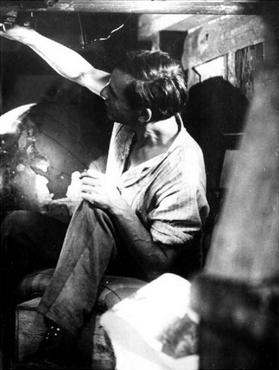
An animated educational silent short film on the topic of communism, an economic-political philosophy founded by Karl Marx and Friedrich Engels in the second half of the 19th Century. This short is now considered a lost film.
Germany
The Ghost in the Machine: Reimagining Berthold Bartosch's Lost 'Communism' The annals of cinema are littered with phantom limbs – films once vibrant, now vanished, leaving behind only whispers and tantalizing possibilities. Among these spectral works, Berthold Bartosch’s 'Communism' stands as a partic...
product
product
product
product

product
product
product
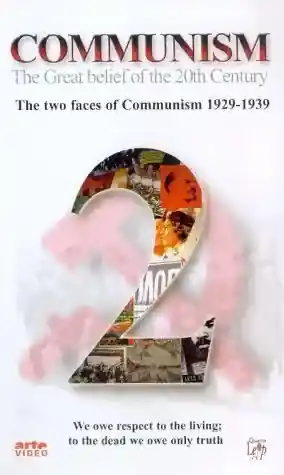
product
Comparing the cinematic DNA and archive impact of two defining moments in cult history.
Berthold Bartosch
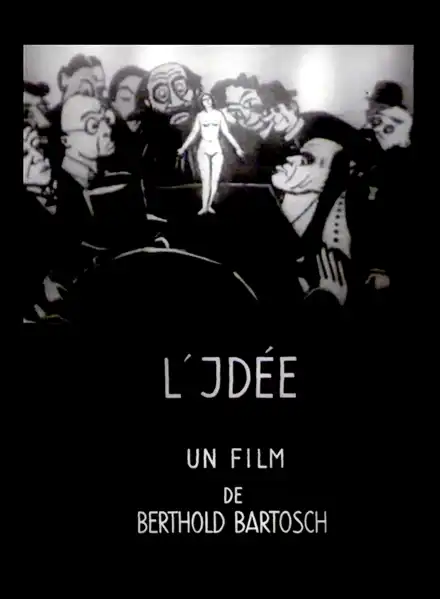
Berthold Bartosch
Community
Log in to comment.
" The Ghost in the Machine: Reimagining Berthold Bartosch's Lost 'Communism' The annals of cinema are littered with phantom limbs – films once vibrant, now vanished, leaving behind only whispers and tantalizing possibilities. Among these spectral works, Berthold Bartosch’s 'Communism' stands as a particularly intriguing enigma. An animated educational silent short, reportedly delving into the complex economic-political philosophy of Karl Marx and Friedrich Engels, its very existe..."

Deep dive into the cult classic
Discover similar cinematic experiences
A Directorial Spotlight on Berthold Bartosch