DbcultAccessing Vault...
Cult Review
Senior Film Conservator
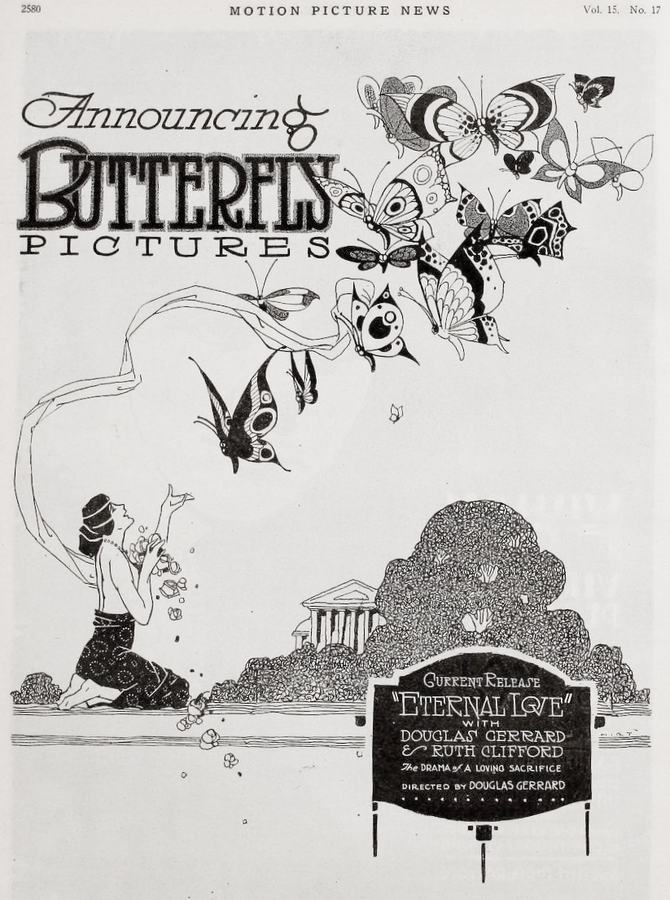
The silent era of cinema often functioned as a crucible for the most fundamental human archetypes, and Douglas Gerrard’s 1917 opus, Eternal Love, is a quintessential specimen of this tradition. It is a film that does not merely narrate a story of romance but interrogates the very nature of artistic inspiration and the corrosive influence of urban vanity. As we look back through the lens of a century, the film emerges not as a relic, but as a vibrant, albeit melancholic, tapestry of human frailty.
The film opens with a visual lyricism that contrasts the rugged, honest landscapes of Brittany with the claustrophobic, smoke-filled studios of Paris. Paul Dachette, portrayed with a nuanced blend of ambition and weakness by Gerrard himself, is a character we recognize from the annals of art history—the creator who seeks the 'primitive' to rejuvenate his sophisticated soul. In Brittany, the cinematography captures a sense of timelessness. It is here that Mignon (Ruth Clifford) is introduced, not just as a character, but as an emblem of the soil itself. Her consent to pose for Dachette is presented as a sacred contract, one that the artist eventually treats with the casual indifference of a sketch on a napkin.
When the scene shifts to the Latin Quarter, the aesthetic language changes. The sea blue (#0E7490) of the coastal horizons is replaced by the dark orange (#C2410C) glow of indoor debauchery. Much like the societal critiques found in The Gilded Youth, Gerrard’s Paris is a place where memory is a commodity and loyalty is a liability. The wild life Paul embraces is depicted with a frantic energy that serves to highlight Mignon’s subsequent isolation.
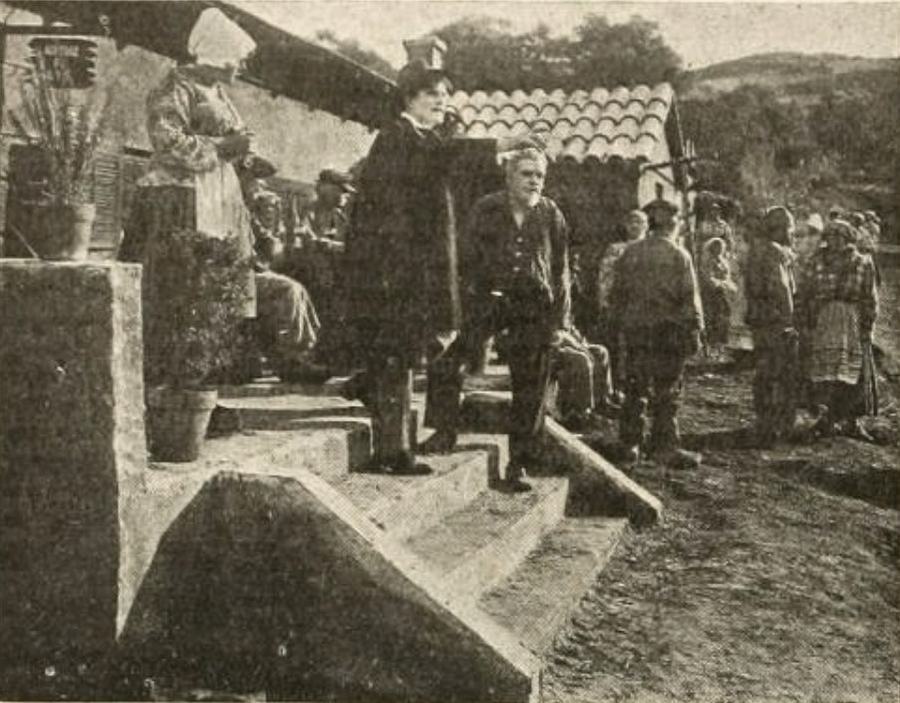
One of the most harrowing sequences in early silent cinema is Mignon’s journey to Paris. Deprived of funds but propelled by a devotion that borders on the hagiographic, she walks the distance. This is not merely a plot point; it is a physicalization of her internal state. While films like Wild Oats often dealt with the consequences of youthful indiscretion, Eternal Love elevates the suffering of its protagonist to a level of spiritual endurance. Her collapse on the doorstep of M. Blanc, the baker, introduces a rare moment of communal kindness in a narrative otherwise dominated by individualistic pursuits.
"The genius of Clifford’s performance lies in her ability to convey a shattering of the soul without the benefit of audio, using only the architectural lines of her face to signal the transition from hope to utter despair."
The discovery of Paul in the arms of Mimi and Fifi is a masterclass in blocking and visual storytelling. The studio, once a place of creation, has become a boudoir of betrayal. The presence of the other models provides a stark contrast to Mignon’s rugged simplicity. Here, the film touches upon the same class anxieties explored in The Impostor, where the external trappings of success often mask a profound moral bankruptcy.
The intervention of François Gautier, the famous painter, serves as a narrative pivot that shifts the film from a tragedy of abandonment to a drama of social ascent. Gautier’s decision to adopt Mignon is a romanticized plot device, yet it functions effectively to level the playing field between the two former lovers. When Mignon becomes a wealthy heiress, the power dynamic is inverted. Paul’s return to her is not prompted by a sudden resurgence of love, but by the sight of her newfound prosperity—a detail that Gerrard directs with a cynical edge. It reminds one of the thematic shifts in Phantom Fortunes, where wealth acts as a catalyst for revealing the true nature of the heart.
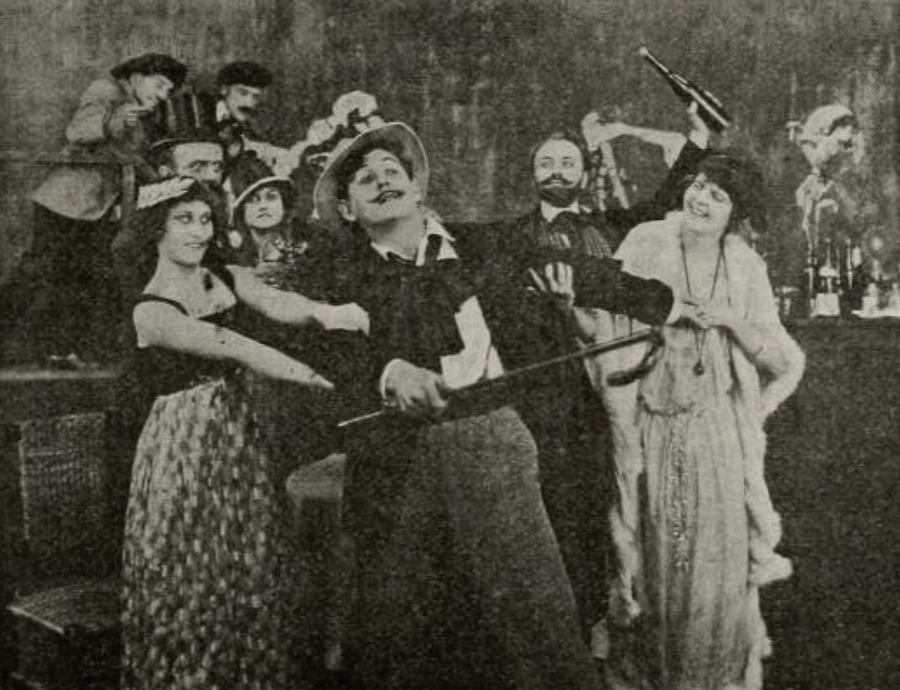
The final act of the film is drenched in the pathetic fallacy of a blinding rainstorm. This meteorological violence mirrors Paul’s internal chaos as he wanders the streets, rejected by the woman he once discarded. The yellow (#EAB308) flicker of the streetlights in the dark night symbolizes the dying embers of his life. It is only when he is at death’s door that the film allows for a resolution. This trope—forgiveness at the threshold of the infinite—was a staple of the era, seen in works like Autumn, yet here it feels earned through the sheer gravity of Mignon’s previous suffering.
Douglas Gerrard, serving as both director and lead actor, demonstrates a sophisticated understanding of the medium's potential. His use of deep focus in the studio scenes allows the viewer to see the layers of social interaction, while his outdoor sequences in the Brittany segments utilize natural light to create a sense of pastoral innocence. The screenplay by E. Magnus Ingleton avoids the pitfalls of repetitive melodrama by grounding the characters' motivations in recognizable human emotions: jealousy, pride, and the desperate need for validation.
Comparatively, while Ireland, a Nation utilized landscape for political resonance, Gerrard uses it for psychological mapping. Every frame of Eternal Love is meticulously composed to reflect the protagonist's descent. The ring Paul gives Mignon at the start of the film becomes a recurring motif, a circular symbol of a promise that was broken but ultimately mended in the most tragic of circumstances.
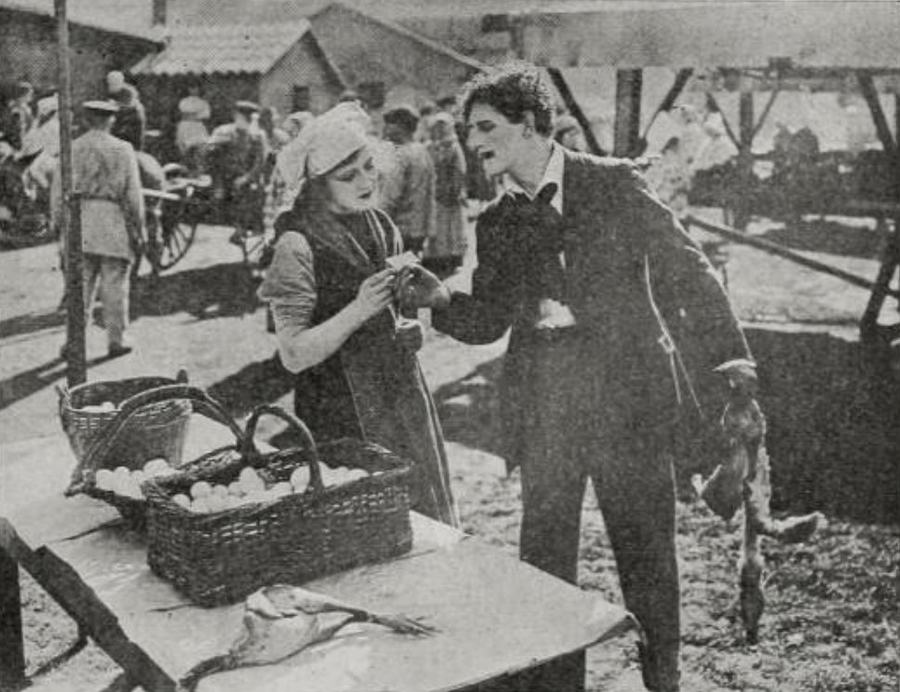
In the broader context of 1917 cinema, which included diverse offerings like The Fall of the Romanoffs or the more adventurous Bushranger's Ransom, Eternal Love stands out for its intimate focus on the domestic and the spiritual. It doesn't need the grandiosity of historical upheaval to make its point. Instead, it finds the epic in the small gestures: a shared glance across a studio, a weary footstep on a Parisian cobblestone, a hand held in the final moments of life.
The film’s conclusion, where Mignon agrees to marry the dying Paul, is often criticized by modern audiences as a submission to patriarchal norms. However, viewed through the lens of its time, it is an act of radical grace. Mignon is no longer the victim; she is the benefactor, the one who holds the power of life, death, and absolution. She transcends her role as a model and an orphan to become a figure of redemptive authority.
As we conclude this analysis, it is worth noting the performances of the supporting cast. Edward Clark and George Gebhardt provide a necessary grounding to the more flighty elements of the Latin Quarter scenes, while Grace Marvin and Dan Duffy round out a world that feels lived-in and authentic. The film shares a certain DNA with The Heart of Midlothian in its portrayal of a woman’s journey through a world designed to break her, yet Mignon’s path is uniquely her own.
Ultimately, Eternal Love is a profound meditation on the durability of the human spirit. It reminds us that while art may be long and life short, the capacity for forgiveness is perhaps the only thing that is truly eternal. It is a film that demands to be seen not just as a historical curiosity, but as a deeply moving exploration of the scars we leave on one another and the love that, despite everything, refuses to be extinguished. For those seeking a cinematic experience that resonates with the complexities of the human condition, this silent masterpiece remains an essential watch, standing tall alongside other period gems like Young Romance and The Pines of Lorey.
IMDb 6.3
1927
Community
Log in to comment.