Ernst Fiedler-Spies, Th. Offenstetten
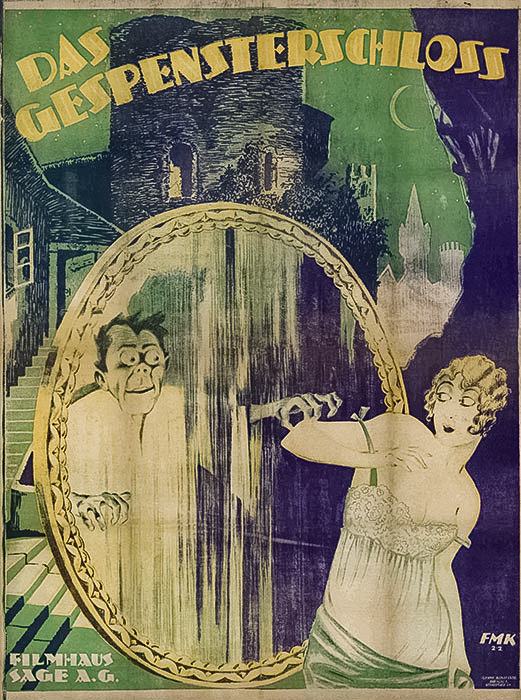
A ruin that remembers more than its tenants dare to confess—Das Gespensterschloß is a brittle fever-dream masquerading as a drawing-room farce, a film whose every frame seems nibbled by the moths of history. Seen today, in a climate where German Expressionism is too often reduced to angular set design clichés, Ernst ...
Comparing the cinematic DNA and archive impact of two defining moments in cult history.
Unknown Director

Unknown Director
Community
Log in to comment.
" A ruin that remembers more than its tenants dare to confess—Das Gespensterschloß is a brittle fever-dream masquerading as a drawing-room farce, a film whose every frame seems nibbled by the moths of history. Seen today, in a climate where German Expressionism is too often reduced to angular set design clichés, Ernst Fiedler-Spies and Th. Offenstetten’s 1920 curio feels like inhaling ground glass: sharp, glimmering, impossible to cough back up. The picture is nominally a haunted-castle romp, ye..."
Germany

1906 · IMDb 3
Unknown Director