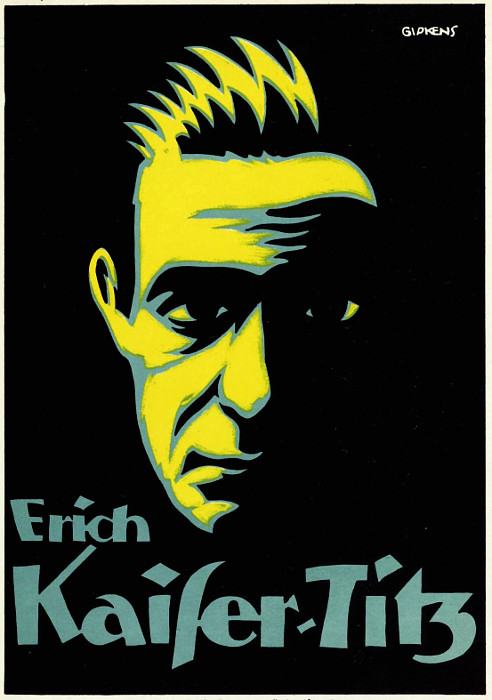
A tide of sepia fog rolls across the screen, and already the fortress looms—its ramparts chipped like the teeth of an aging tyrant. Richard Wilde’s scenario, directed with malarial precision, refuses to grant the viewer a comforting establishing shot; instead, we plunge straight into the rot, as if inheritance itself ...

Community
Log in to comment.
" A tide of sepia fog rolls across the screen, and already the fortress looms—its ramparts chipped like the teeth of an aging tyrant. Richard Wilde’s scenario, directed with malarial precision, refuses to grant the viewer a comforting establishing shot; instead, we plunge straight into the rot, as if inheritance itself were a wound that can’t be cauterized. In the lexicon of late-Weimar cinema, Der Erbe von Het Steen sits orphaned between expressionist hysteria and the cold sobriety of the comin..."
Deep dive into the cult classic
Discover similar cinematic experiences
A Directorial Spotlight on Louis Neher
