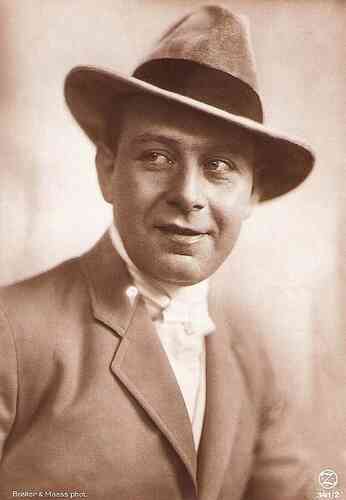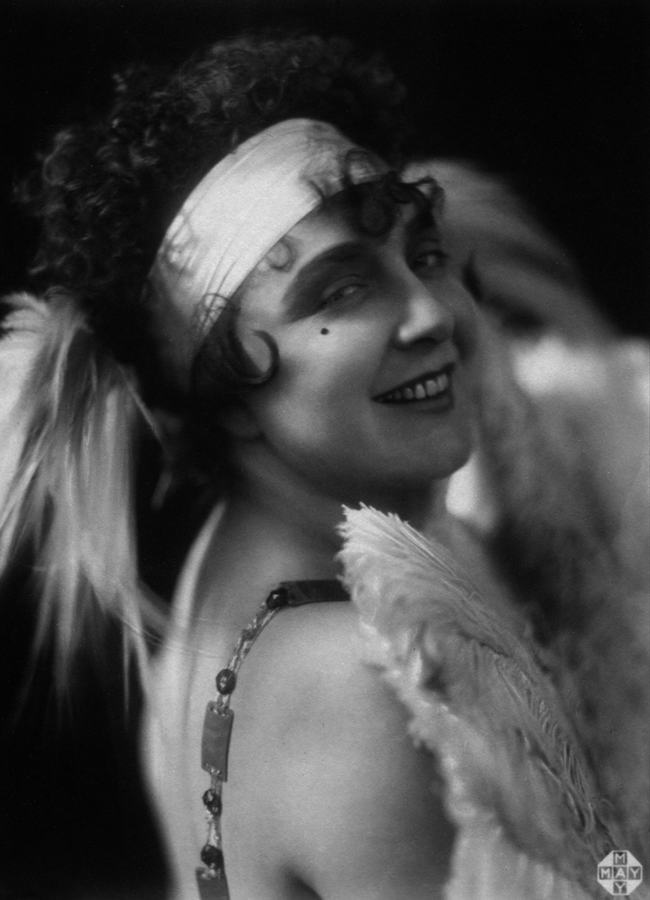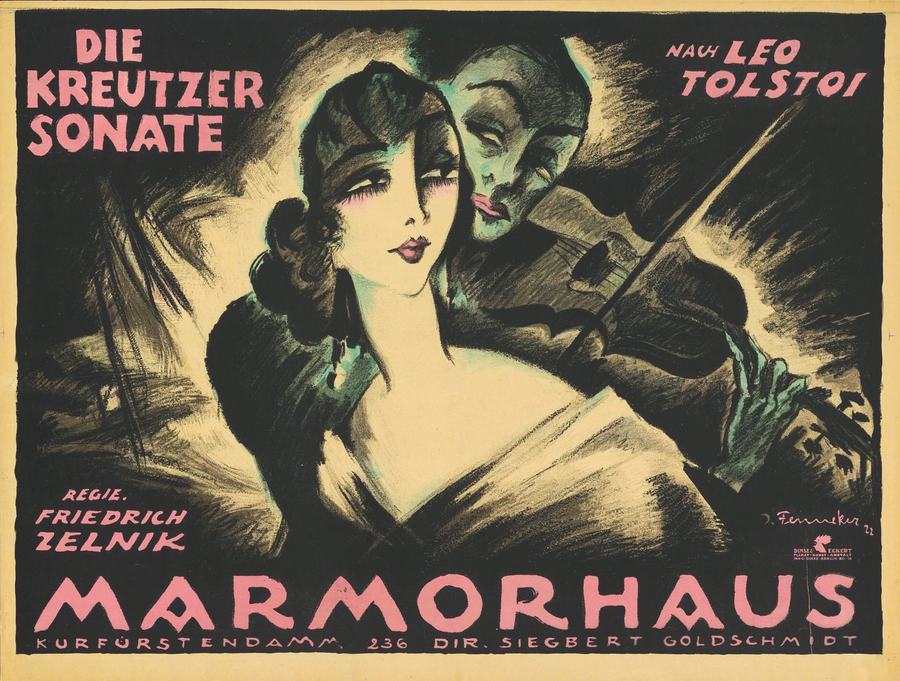
A 35 mm nitrate print of Die Kreutzersonate survives only because a projectionist in Dresden hid the reels inside a piano during the 1945 firestorm; the scorched edges of the first act still smell, I swear, of burnt spruce and human panic. That ghost-odor clings to every intertitle, reminding you that this film was a...
Community
Log in to comment.
" A 35 mm nitrate print of Die Kreutzersonate survives only because a projectionist in Dresden hid the reels inside a piano during the 1945 firestorm; the scorched edges of the first act still smell, I swear, of burnt spruce and human panic. That ghost-odor clings to every intertitle, reminding you that this film was already a funeral pyre even before the bombs fell. Director Frederic Zelnik—part hypnotist, part social anatomist—doesn’t merely adapt Tolstoy’s novella; he chloroforms it, strips i..."
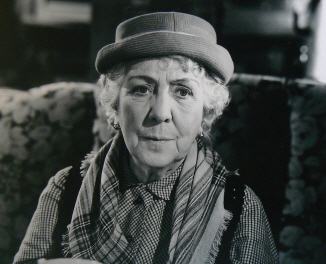
Ilka Grüning
Lev Tolstoy, Fanny Carlsen
Germany
Deep dive into the cult classic
Discover similar cinematic experiences
A Directorial Spotlight on Rolf Petersen