DbcultAccessing Vault...
Cult Review
Senior Film Conservator
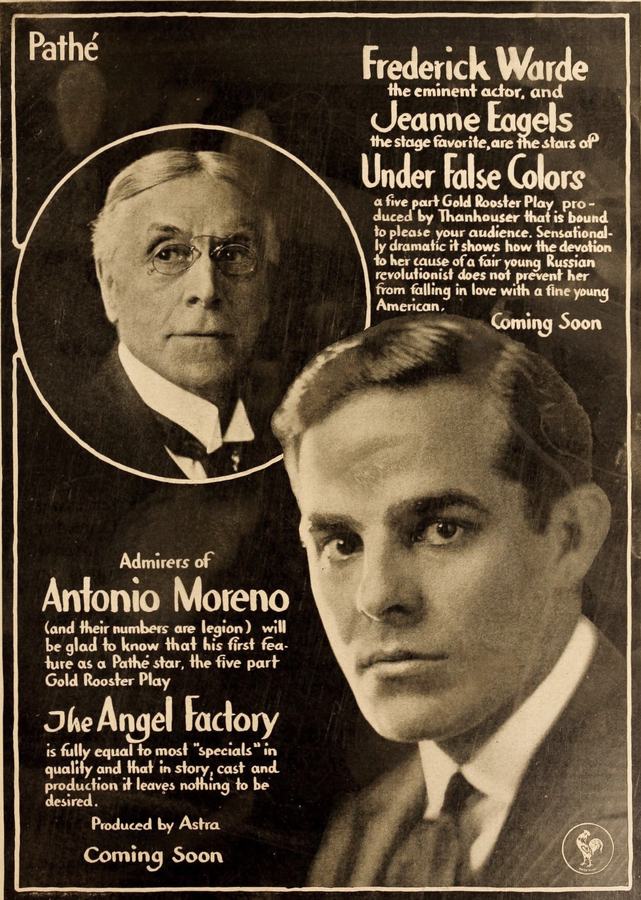
In the annals of early cinema, certain films stand out not merely for their technical prowess, but for their audacious narrative ambition and thematic depth. Lloyd Lonergan's Under False Colors is unequivocally one such cinematic artifact, a potent cocktail of political intrigue, personal sacrifice, and the moral ambiguities inherent in the pursuit of a grander cause. Released at a time when global geopolitics were shifting dramatically, with the specter of revolution looming large over nations like Russia, this film offered audiences a compelling, albeit fictionalized, glimpse into the clandestine world of expatriate revolutionaries and their desperate measures. It's a narrative that eschews easy answers, preferring to immerse viewers in a protagonist's morally fraught journey, where every calculated move carries the weight of a nation's destiny and a personal reckoning.
At the heart of Under False Colors lies the magnetic performance of Jeanne Eagels, an actress whose talent for conveying complex emotional landscapes was truly ahead of her time. Eagels embodies the nameless Russian revolutionary with a compelling blend of steely resolve and underlying vulnerability. Her character is not merely a cipher for political ideals; she is a flesh-and-blood individual burdened by the immense pressure of her mission. From the moment she arrives on American shores, a refugee from the oppressive forces in her homeland, Eagels projects an aura of quiet determination that immediately draws the audience in. Her decision to adopt a fabricated identity, presenting herself as the daughter of a Polish acquaintance to the unsuspecting millionaire John Colton (Frederick Warde) and his wife (Carey L. Hastings), is portrayed not as a malicious act, but as a desperate, calculated gamble. Eagels subtly communicates the internal conflict her character must endure—the constant vigilance required to maintain the charade, the suppression of genuine emotion in favor of a carefully constructed facade. This isn't merely acting; it's an intricate psychological performance, reminiscent in its complexity of later portrayals of women caught in webs of deceit, like those seen in The Woman in the Case, where moral quandaries dictate every action. Eagels' ability to convey both the cunning strategist and the haunted idealist makes her performance a truly memorable one, anchoring the film's ambitious narrative.
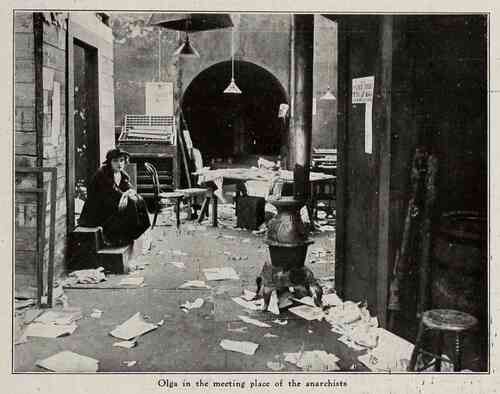
Lloyd Lonergan, the film's writer, constructs a narrative that is both intricate and surprisingly prescient. His script delves into themes that resonate even today: the plight of refugees, the ethics of revolutionary movements, and the stark contrast between idealism and pragmatism. Lonergan skillfully crafts a story where the protagonist's motives, while noble in their ultimate goal of liberating her people, are executed through means that are inherently deceptive and morally ambiguous. The use of stock market manipulation as a funding mechanism for revolution is a particularly ingenious plot device, highlighting the intersection of global finance and political upheaval. It’s a sophisticated twist that elevates the film beyond a simple melodrama, imbuing it with a layer of socio-economic commentary. The initial success of the scheme, where the protagonist relays insider tips to her cadre of fellow refugees in New York City, builds a palpable sense of tension and triumph. However, Lonergan, with a keen understanding of dramatic irony and realistic consequences, ensures that "things don't go quite as she planned." This narrative pivot is crucial, transforming a tale of cunning into one of escalating peril and moral reckoning. The script doesn't shy away from depicting the unforeseen repercussions of such high-stakes gambles, a narrative trait that can be appreciated when juxtaposed with films that explore similar themes of grand schemes gone awry, such as The $5,000,000 Counterfeiting Plot, though Lonergan's focus here is distinctly political and ideologically driven.
While Eagels commands the screen, the supporting cast provides essential anchors to the narrative. Frederick Warde, as the benevolent millionaire John Colton, embodies the unwitting target of the protagonist's deception. Warde projects an air of dignified trust and paternal warmth, making his eventual disillusionment all the more poignant. His character represents the American ideal of generosity and hospitality, which the protagonist, for all her noble intentions, is forced to exploit. Carey L. Hastings, as Mrs. Colton, complements Warde's portrayal, offering a picture of domestic tranquility and maternal concern that starkly contrasts with the protagonist's revolutionary fervor. The dynamic between the protagonist and the Colton family is a microcosm of the larger ideological clash at play, a battle between personal loyalty and political conviction. Robert Vaughn, though his role might be less central, contributes to the ensemble by portraying one of the key figures within the refugee network, adding a layer of authenticity to the revolutionary cell. Anne Gregory, too, plays her part in filling out the world of the Colton household or perhaps the refugee community, lending credibility to the film's social fabric. The interplay of these characters, particularly the growing bond between the protagonist and the Coltons, serves to heighten the dramatic tension, forcing the audience to grapple with the emotional fallout of her actions. It's a nuanced portrayal of human relationships complicated by extraordinary circumstances, a theme that echoes the complexities found in character-driven dramas like Cy Whittaker's Ward, where familial bonds are tested by external forces.
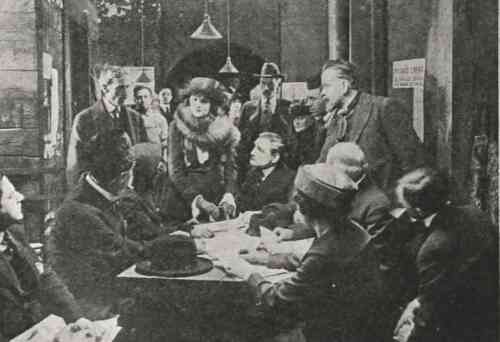
Under False Colors is a rich tapestry of thematic exploration. The concept of identity is central, as the protagonist sheds her true self to assume a fabricated persona. This act of dissimulation raises profound questions about authenticity and the sacrifices demanded by a cause greater than oneself. Is her true identity the revolutionary, or the adopted daughter? The film masterfully blurs these lines, making us ponder the inherent duality of her existence. Linked closely to identity is the theme of sacrifice. The protagonist sacrifices her personal safety, her moral comfort, and potentially her freedom for the sake of her homeland. This selflessness, however, is tinged with the ethical compromises she must make, creating a compelling internal struggle. The film asks: what is the ultimate price of revolution? Is it merely the overthrow of an oppressive regime, or does it also demand the erosion of personal integrity? This profound questioning of revolutionary ethics can be seen in other films that grapple with the human cost of political upheaval, such as the Russian film Grekh (Sin), which might explore the moral quandaries from a different cultural perspective, or even the more personal struggles against societal norms found in Transgression.
Moreover, the film subtly critiques the vast socio-economic disparities of the era. The opulence of the Colton household stands in stark contrast to the desperate circumstances of the refugees, highlighting the very inequities that fuel revolutionary sentiment. The irony of using the tools of capitalism—the stock market—to finance a movement aimed at dismantling oppressive systems is not lost on the discerning viewer. This commentary on class and social structure, though not overtly didactic, adds another layer of sophistication to Lonergan's writing, echoing the social observations found in films like Ma Hoggan's New Boarder, albeit with far higher political stakes. The film's examination of the clash between American ideals of freedom and the practical realities of political asylum and revolutionary action is also noteworthy. It presents America as both a haven and a stage for international drama, a place where old-world conflicts are re-ignited and played out in new forms.
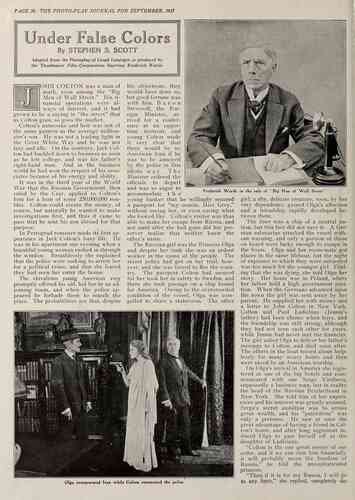
The narrative truly gains momentum as the protagonist's meticulously laid plans begin to fray. The phrase "things don't go quite as she planned" is a masterful understatement, hinting at the inevitable complications that arise from such an elaborate deception. This turning point is where the film transitions from a clever espionage thriller into a more profound drama about consequences. The audience is kept on tenterhooks, witnessing the slow, agonizing unraveling of her carefully constructed world. This could be due to internal discord within the refugee group, a misstep in her charade, or perhaps the growing emotional attachment she develops for the very family she is deceiving. Lonergan ensures that the stakes are constantly escalating, forcing the protagonist to make increasingly difficult choices. The tension is palpable, as every interaction with the Coltons becomes a potential trap, every whispered conversation with her revolutionary compatriots a risk. This sense of impending doom and the intricate unraveling of a plot can be compared to the suspense built in films like The Breaker or The Strangler's Cord, where narrative threads tighten around the protagonists.
The film’s brilliance lies in its refusal to offer a simplistic resolution. The "unplanned" elements force the protagonist to confront the human cost of her actions, not just for the distant ideal of Russia, but for the individuals directly impacted by her deception. The emotional weight of potentially betraying the trust of the benevolent Coltons adds a layer of moral complexity that few films of its era dared to explore with such nuance. It's a testament to Lonergan’s writing and Eagels’ performance that this internal conflict feels so visceral and compelling. The audience is not merely watching a plot unfold; they are experiencing the protagonist’s moral agony, sympathizing with her noble aims while simultaneously questioning her methods.
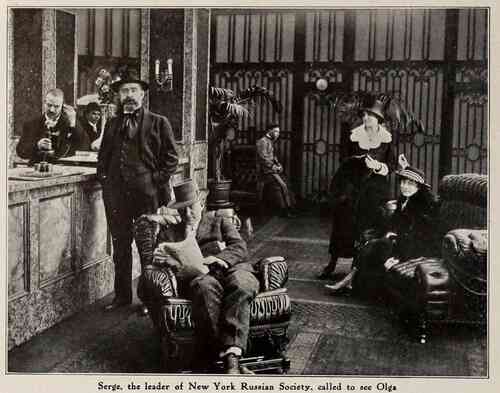
While details on the direction itself are not provided, it is clear that the visual storytelling in Under False Colors must have been effective in conveying the shifting emotional states and the clandestine nature of the protagonist’s mission. Silent films relied heavily on visual cues, mise-en-scène, and the expressive power of their actors to communicate narrative and emotion. The contrast between the opulent interiors of the Colton estate and the perhaps more austere settings of the refugee meetings would have visually underscored the film’s thematic concerns. The era's filmmaking techniques, while lacking the advanced tools of later decades, often compensated with innovative use of close-ups, dramatic lighting, and carefully composed frames to heighten suspense and character focus. One can imagine scenes where Eagels’ facial expressions alone would convey volumes of internal conflict, a hallmark of powerful silent film acting.
The enduring relevance of Under False Colors cannot be overstated. In an age of increasing global interconnectedness and persistent political unrest, its themes of identity, displacement, and the pursuit of justice by any means necessary remain acutely pertinent. It serves as a powerful reminder that the personal costs of political movements are often immense and complex, and that the lines between hero and deceiver can become dangerously blurred. The film challenges us to consider our own ethical boundaries when faced with overwhelming injustices, and to ponder the true meaning of patriotism and sacrifice. Its nuanced approach to its protagonist makes it stand out from simpler morality plays, offering a character who is both admirable in her conviction and flawed in her execution. This complexity is what elevates it from a mere historical curiosity to a timeless piece of cinematic art, much like how films such as The Princess's Dilemma delve into the intricate choices faced by women in challenging circumstances, or how Pride and the Devil explores the internal battles that shape destiny.
Furthermore, the film's exploration of the immigrant experience, albeit through the lens of political asylum and revolutionary intent, offers a unique perspective. The protagonist's journey from persecution to a new land, where she must adapt and scheme to survive and further her cause, is a powerful depiction of the resilience and resourcefulness often found in those forced to flee their homes. While her methods are extreme, her underlying motivation speaks to a universal human desire for freedom and self-determination. It's a narrative that resonates with the struggles of displaced persons across generations, giving the film a universality that transcends its specific historical context.
Under False Colors is more than just a period piece; it's a profound character study wrapped in a thrilling espionage plot. It masterfully uses its narrative to explore the profound ethical dilemmas faced by individuals caught between personal morality and political imperative. Jeanne Eagels delivers a performance that is both captivating and deeply empathetic, allowing audiences to connect with a character whose actions are questionable but whose motivations are understandable. Lloyd Lonergan's script is a testament to the power of thoughtful storytelling, weaving together threads of deception, patriotism, and the unpredictable nature of human affairs. The film reminds us that even the most carefully constructed plans can falter, and that the true measure of a person often lies in how they navigate the wreckage of their own making. It stands as a compelling example of early cinema's capacity for sophisticated storytelling, offering a timeless reflection on the human condition amidst political upheaval. Its legacy lies not just in its historical context, but in its continued ability to provoke thought and discussion about the enduring challenges of justice, identity, and the relentless pursuit of freedom. It’s a film that, much like the intricate dance of identity in Judy Forgot, keeps the audience guessing, but with far graver implications.
Ultimately, Under False Colors is a film that demands to be seen and discussed. It’s a powerful narrative that uses the specific socio-political climate of its time to explore universal truths about human nature and the complexities of moral choice. For enthusiasts of classic cinema, and particularly those fascinated by the early development of the espionage thriller and character-driven drama, this film offers a rich and rewarding experience. Its exploration of a woman's unwavering commitment to her cause, even as her methods blur the lines of right and wrong, makes it a compelling and thought-provoking watch, solidifying its place as a significant, albeit perhaps less widely known, gem in cinematic history.
IMDb 5.2
1924
Community
Log in to comment.