On her father's advice, Patricia leaves her life as a chorus girl for the countryside surroundings of Silas Wainwright, an old friend of her father's. She immediately sides with Horace, a suitor to Wainwright's daughter Emily; and her efforts to disentangle Horace from his clinging vine, Maisie Morrison, the village vamp, result in the jealous concern of John Wainwright, a declared woman-hater.
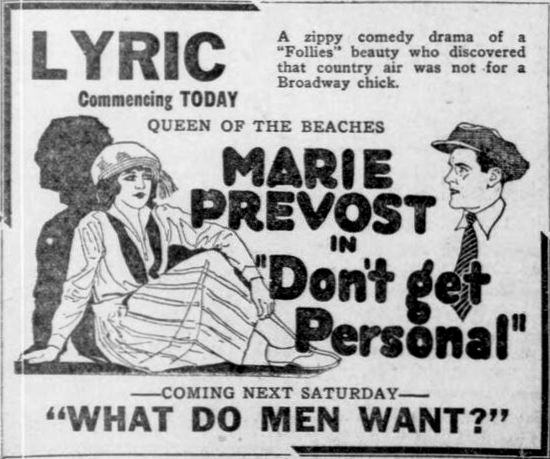
Country air, cigar smoke, and the rustle of taffeta—Don't Get Personal distills 1922 into a champagne-cork pop of misread motives and moonlit farce. The moment Patricia’s train exhales its last steam sigh into the station, the film swaps Broadway’s rhinestone glare for firefly gloaming, and you feel the celluloid its...
production_art
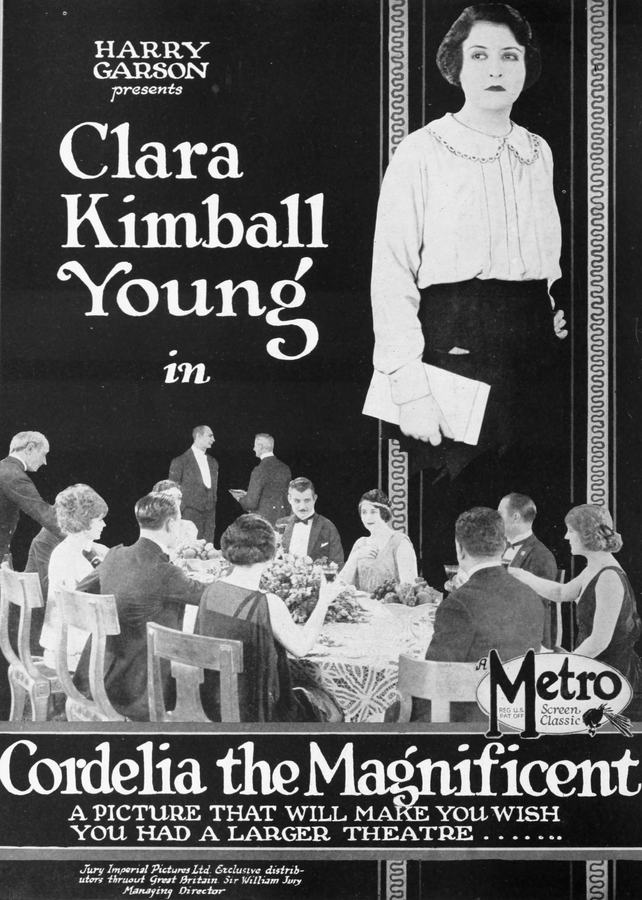
Comparing the cinematic DNA and archive impact of two defining moments in cult history.
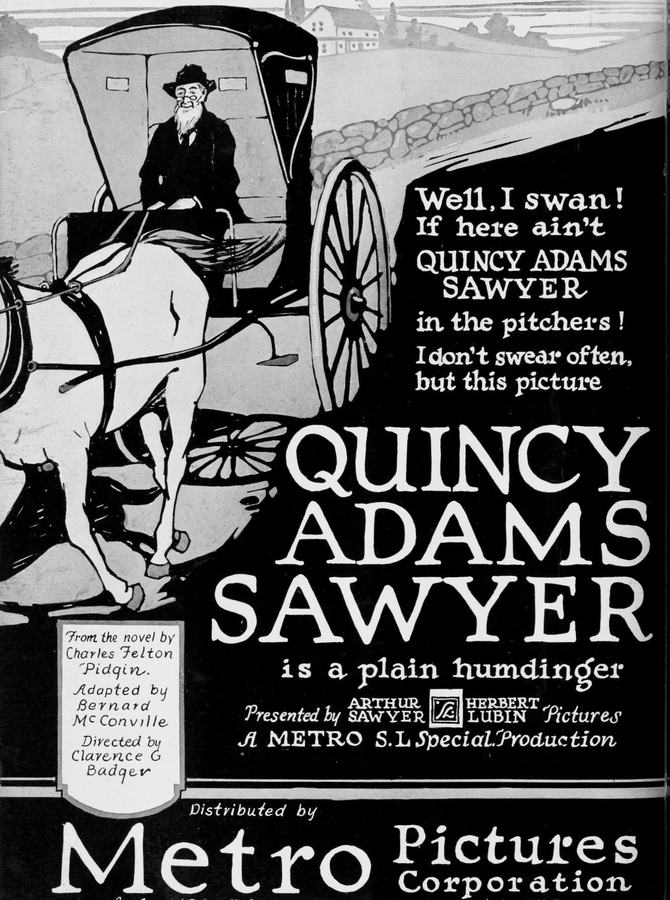
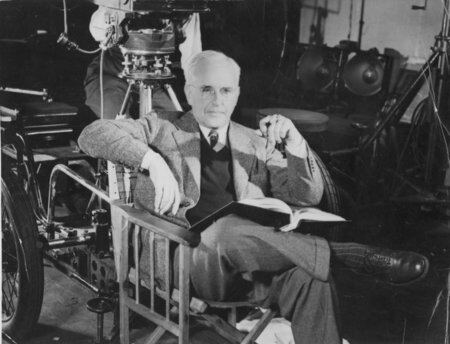
Clarence G. Badger
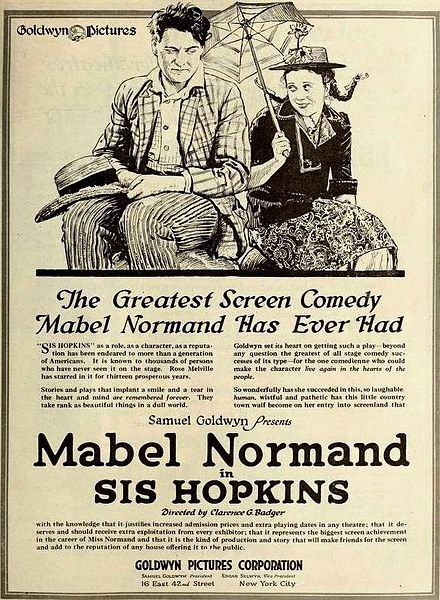
Clarence G. Badger
Community
Log in to comment.
" Country air, cigar smoke, and the rustle of taffeta—Don't Get Personal distills 1922 into a champagne-cork pop of misread motives and moonlit farce. The moment Patricia’s train exhales its last steam sigh into the station, the film swaps Broadway’s rhinestone glare for firefly gloaming, and you feel the celluloid itself take a restorative breath. Directors Irving Cummings and his scenario muse Doris Schroeder aren’t merely rustling up a city-mouse-in-the-barn comedy; they’re staging a miniatur..."
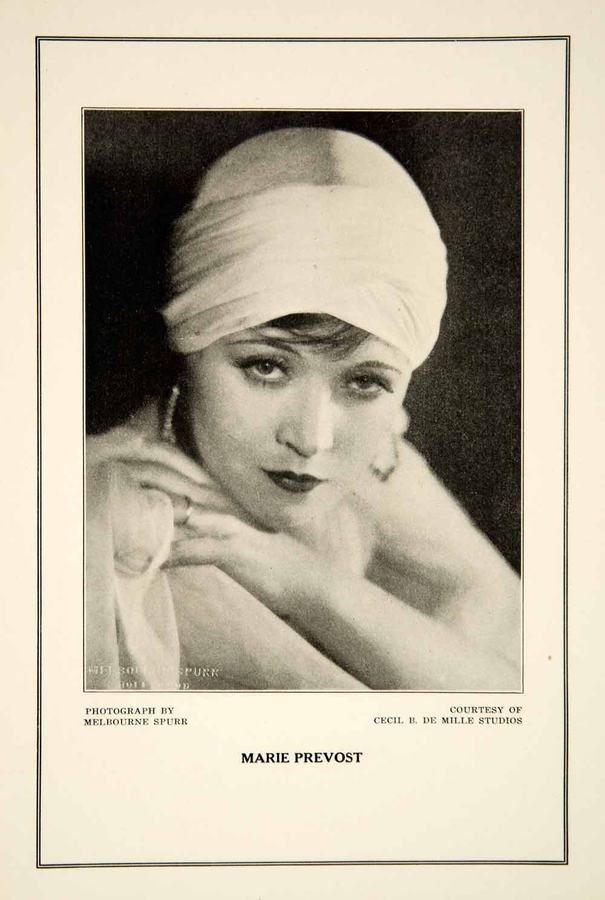
Marie Prevost
Doris Schroeder, Irving Cummings
United States
Deep dive into the cult classic
Discover similar cinematic experiences
A Directorial Spotlight on Clarence G. Badger