DbcultAccessing Vault...
Cult Review
Senior Film Conservator
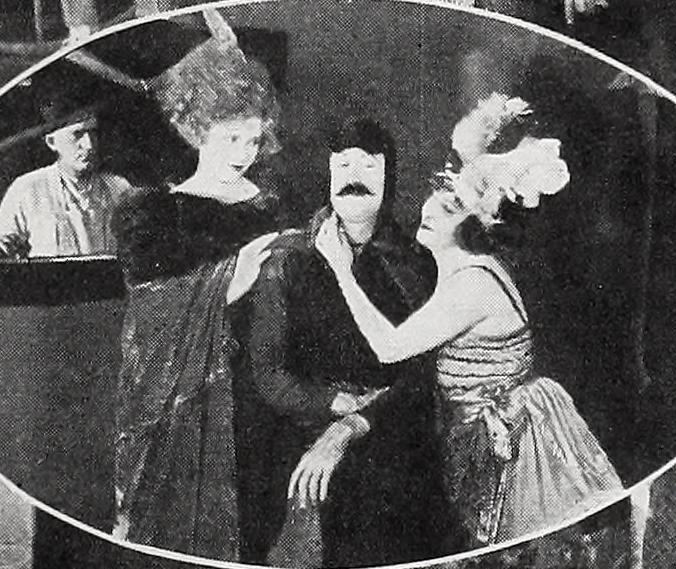
To witness Family Affairs in the contemporary era is to embark upon a journey of cinematic archeology, peeling back the layers of a medium still finding its vernacular. This production, featuring the venerable Cecil Spooner and the indefatigable Billy Bletcher, serves as a testament to the period's fascination with the sanctity and subsequent erosion of the domestic unit. Unlike the sweeping historical vistas found in The Three Musketeers (1916), this film retreats into the claustrophobic intimacy of the parlor, where the stakes are not the fate of a kingdom, but the integrity of a name.
The film’s visual grammar is deceptively simple, yet it pulses with an underlying anxiety that mirrors the social shifts of its time. The director utilizes the proscenium arch style typical of the era, yet manages to imbue the frame with a sense of psychological depth that predates the more expressionistic flourishes of later silent masterpieces. There is a palpable weight to the mise-en-scène; every heavy velvet curtain and ornate piece of furniture seems to conspire against the protagonists, trapping them in a gilded cage of their own making.
Cecil Spooner, a titan of the stage whose transition to film remains a subject of intense scholarly interest, brings a luminous presence to the screen. Her ability to convey complex internal monologues through subtle shifts in posture and gaze is nothing short of revelatory. In an age where overacting was often the default, Spooner exercises a commendable economy of motion. She portrays a character burdened by the collective expectations of her lineage, a theme that echoes the social critiques found in Bleak House, though focused through a much more intimate lens.
Contrast this with the energy of Billy Bletcher. Known to many for his later iconic voice work, Bletcher here displays a physical comedic timing that is both grounded and subversive. He acts as the narrative’s pressure valve, providing moments of levity that prevent the film from descending into pure melodrama. His chemistry with Spooner is the film's emotional core, representing the push and pull between tradition and the irrepressible urge for individual expression.
When we consider the broader landscape of early cinema, Family Affairs occupies a unique niche. It lacks the rugged, elemental struggle of South, yet it possesses a similar sense of endurance—albeit an emotional one. Where a film like Mr. Opp explores the eccentricities of the individual against a small-town backdrop, Family Affairs focuses on the collective identity of the household. It suggests that the family is not a refuge, but a crucible where identities are forged and, occasionally, shattered.
The script, while uncredited, displays a sophisticated understanding of narrative tension. It avoids the simplistic morality plays of its contemporaries, opting instead for a grey area where every character’s motivations are justified by their own internal logic. This complexity reminds one of the nuanced character studies in The Painter or the simmering passions of Wild Sumac. There is a sense of impending consequence that hangs over the film, much like the legal entanglements in Doing Time.
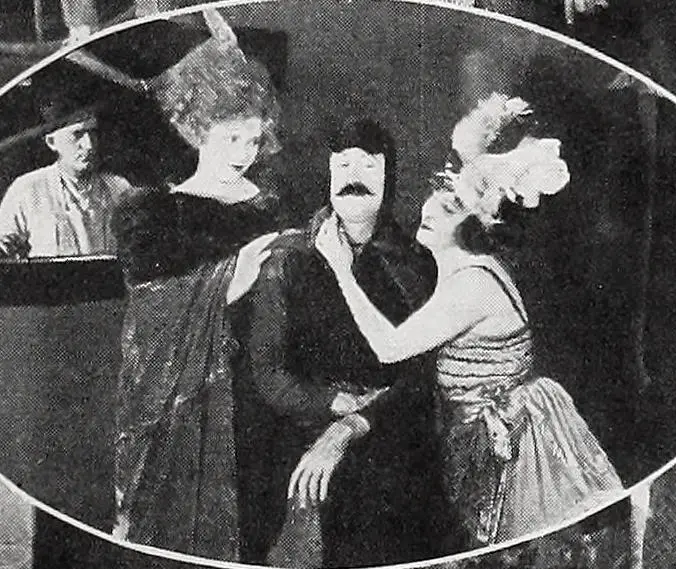
Technically, the film is a product of its time, yet it exhibits flashes of brilliance. The lighting, though primarily flat and functional, occasionally captures the stark contrast of the characters' emotional states. The use of intertitles is sparse, allowing the visual storytelling to carry the weight of the plot—a brave choice for a domestic drama. This reliance on the image aligns it with the aesthetic purity of Aphrodite, though the subject matter remains firmly rooted in the mundane rather than the mythological.
The pacing of Family Affairs is deliberate, demanding a level of patience from the modern viewer that is rewarded by its final act. It doesn't rely on the frantic action of Hot Sands and Cold Feet or the sudden plot twists of A Pistol-Point Proposal. Instead, it builds its momentum through the accumulation of small, seemingly insignificant moments that culminate in a profound realization of what it means to belong to a family.
To understand Family Affairs, one must understand the era of its birth. This was a time of immense transition. The Victorian age was fading, and the Roaring Twenties were on the horizon. The film captures this liminal space perfectly. It deals with themes of honor, reputation, and the burgeoning desire for female autonomy—themes that were also being explored in films like The Unapproachable Woman and Her Triumph.
While it may not have the visceral impact of Like Wildfire or the seductive allure of The Heart Snatcher, Family Affairs possesses a quiet integrity. It is a film that respects its audience, refusing to offer easy answers to the complex problems it presents. The resolution is not a neat bow, but a fragile truce—a realistic depiction of familial life that remains surprisingly relevant today.
In conclusion, Family Affairs is a vital piece of the silent film puzzle. It showcases the immense talent of Cecil Spooner and provides a fascinating look at the early career of Billy Bletcher. It is a film of textures, whispers, and glances—a domestic tapestry woven with both care and a sharp critical eye. For those interested in the evolution of narrative cinema, it is an essential watch, standing alongside True Blue as a pillar of early 20th-century storytelling. It reminds us that while technology changes, the complexities of the human heart—and the families that house them—remain eternally, and sometimes painfully, the same.
A masterclass in restraint, Family Affairs is a haunting reminder of the power of the silent image to speak volumes about the human condition.
IMDb 5.4
1933
Community
Log in to comment.