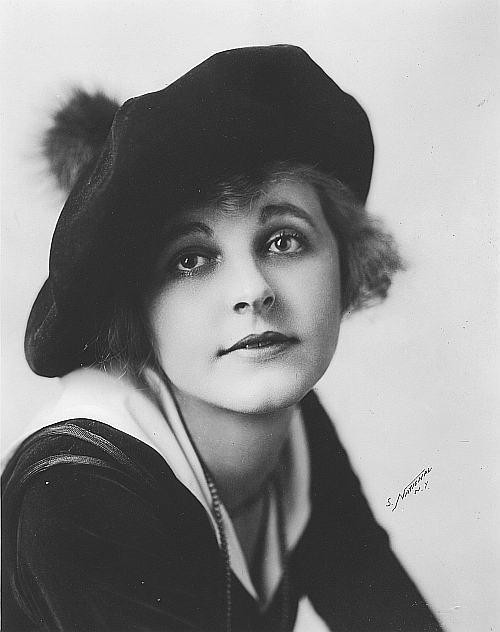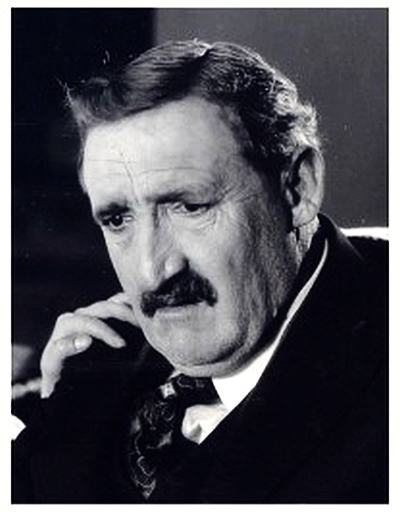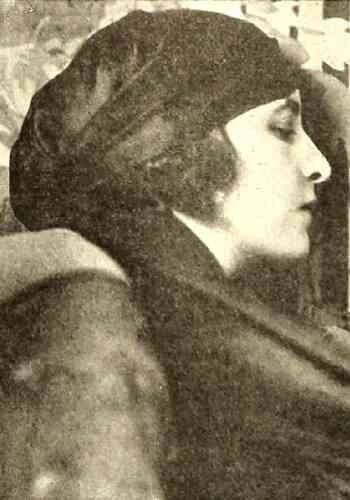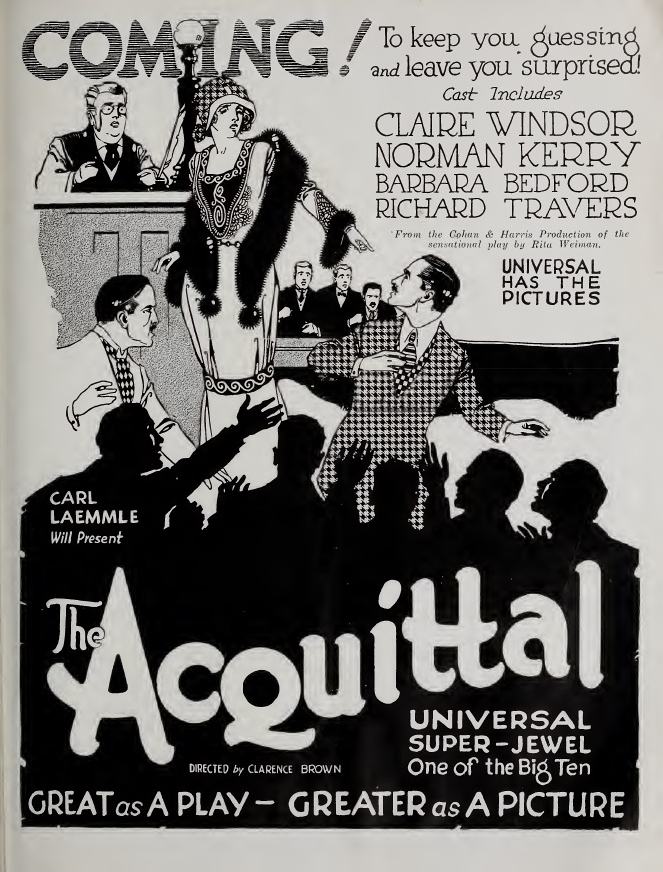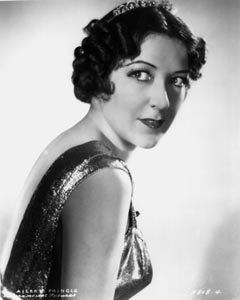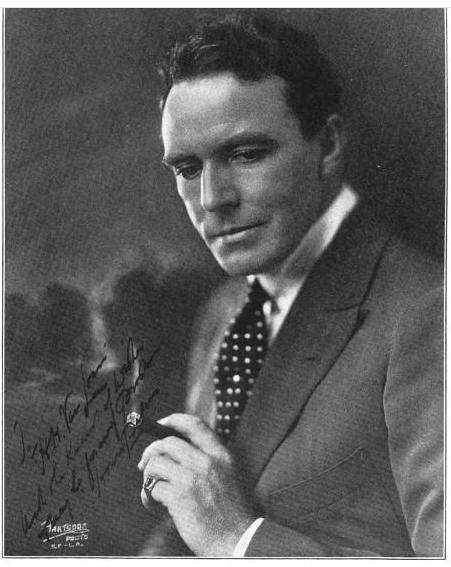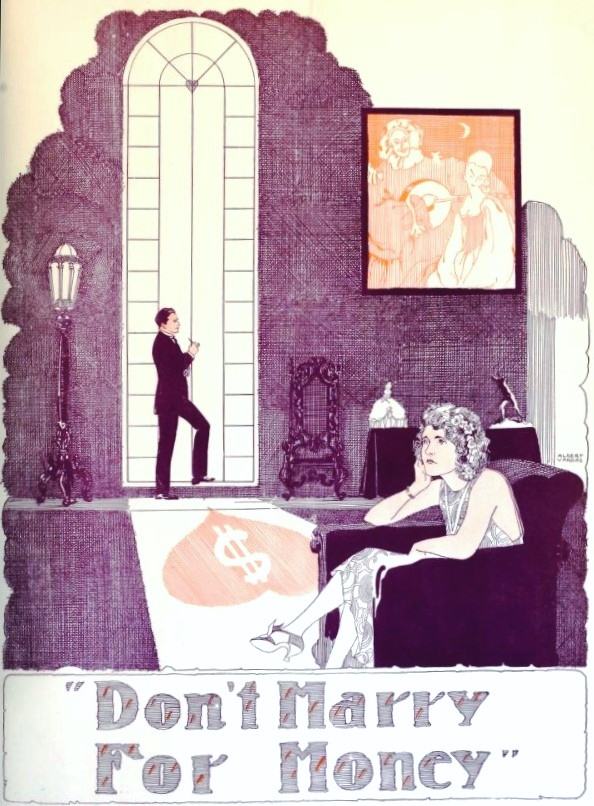
Marion Whitney marries millionaire Peter Smith and finds that life is not sufficiently romantic. She has a flirtation with Crane Martin, who makes a living by compromising wives of wealthy men, then blackmailing them.
The silent film Don't Marry for Money unfolds like a meticulously stitched tapestry, each thread representing a facet of early twentieth‑century anxieties about wealth, fidelity, and agency. Director Louis D. Lighton and writer Hope Loring construct a narrative that is at once a cautionary tale and a subtle critique of...
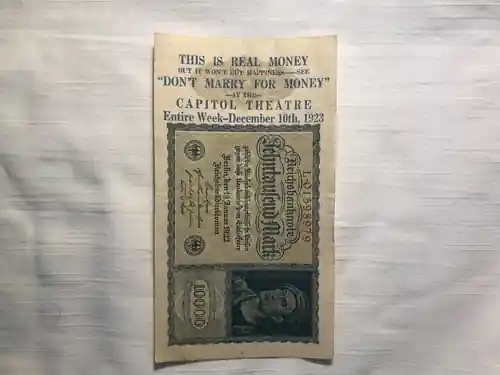
publicity
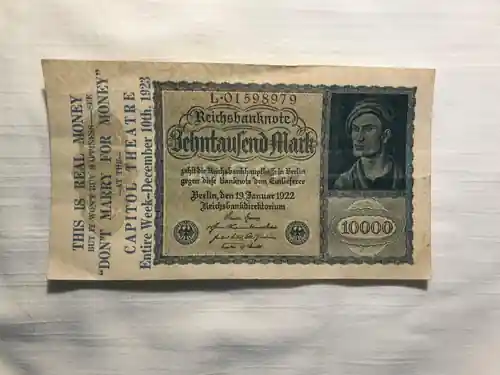
publicity
Comparing the cinematic DNA and archive impact of two defining moments in cult history.
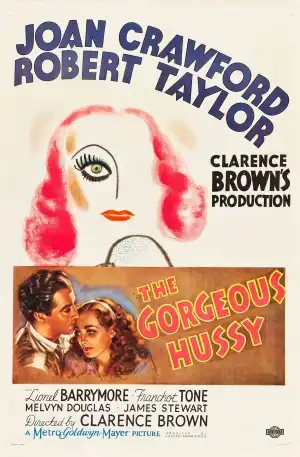
Clarence Brown
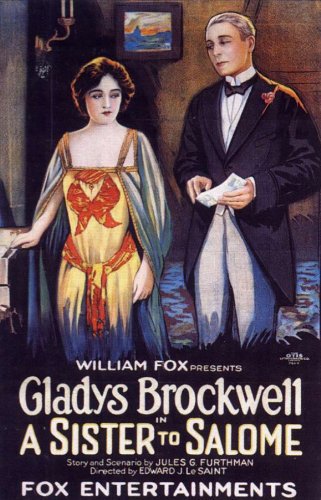
Edward LeSaint
Community
Log in to comment.
"The silent film Don't Marry for Money unfolds like a meticulously stitched tapestry, each thread representing a facet of early twentieth‑century anxieties about wealth, fidelity, and agency. Director Louis D. Lighton and writer Hope Loring construct a narrative that is at once a cautionary tale and a subtle critique of the era’s gendered expectations. The story follows Marion Whitney, whose decision to marry the affluent Peter Smith is motivated less by love than by a pragmatic desire for securi..."
Hope Loring, Louis D. Lighton
United States
Deep dive into the cult classic
Discover similar cinematic experiences
A Directorial Spotlight on Clarence Brown