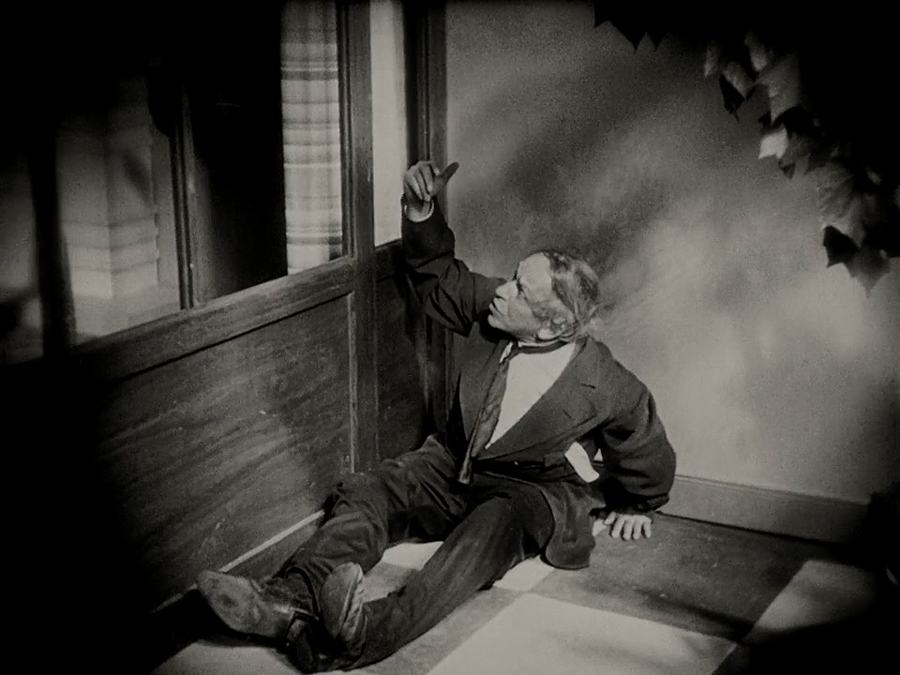
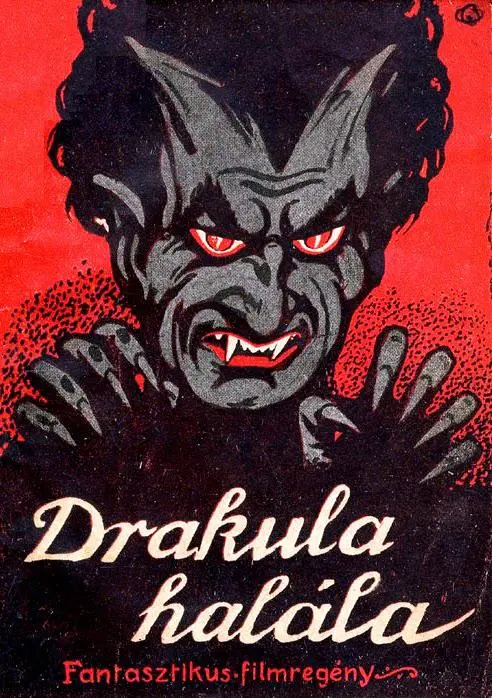
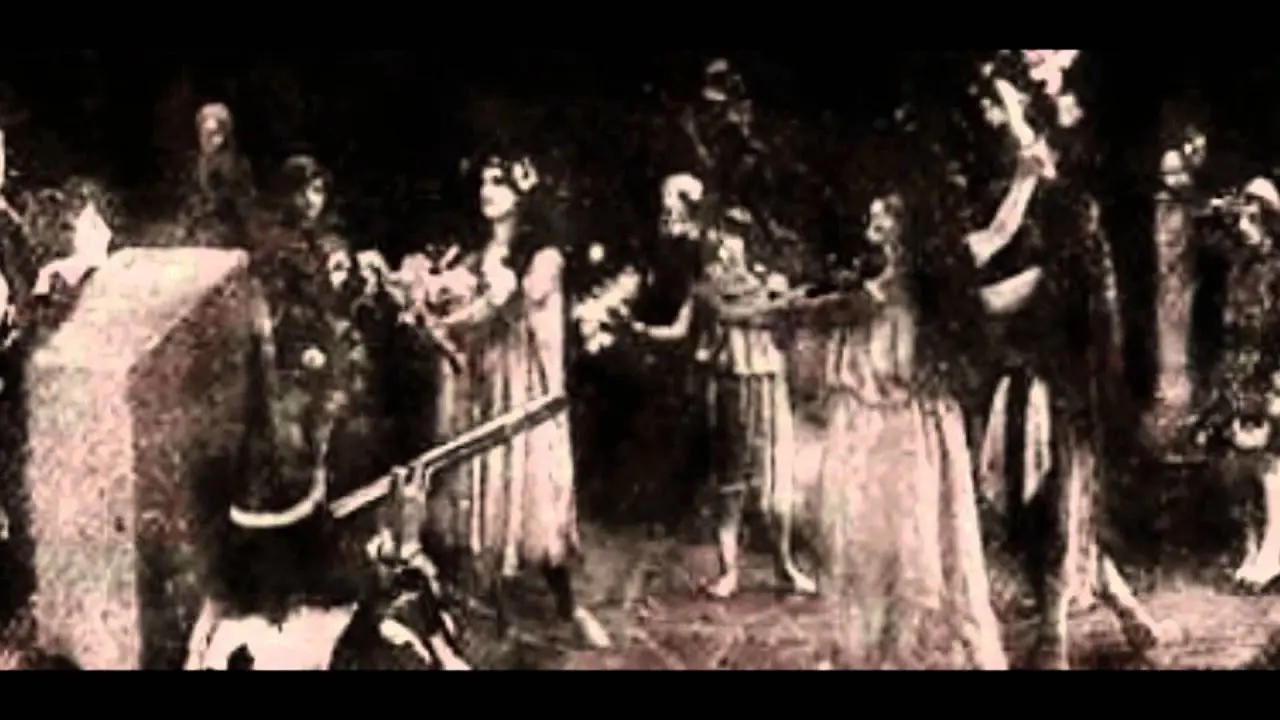
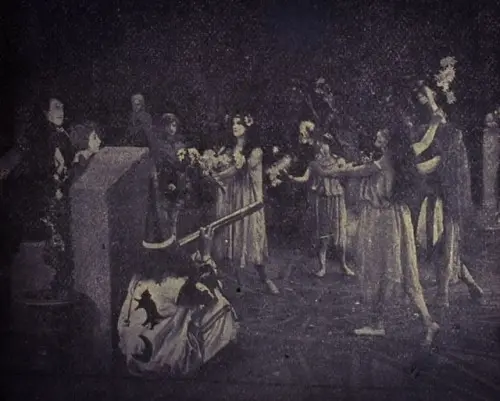
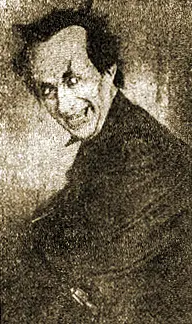
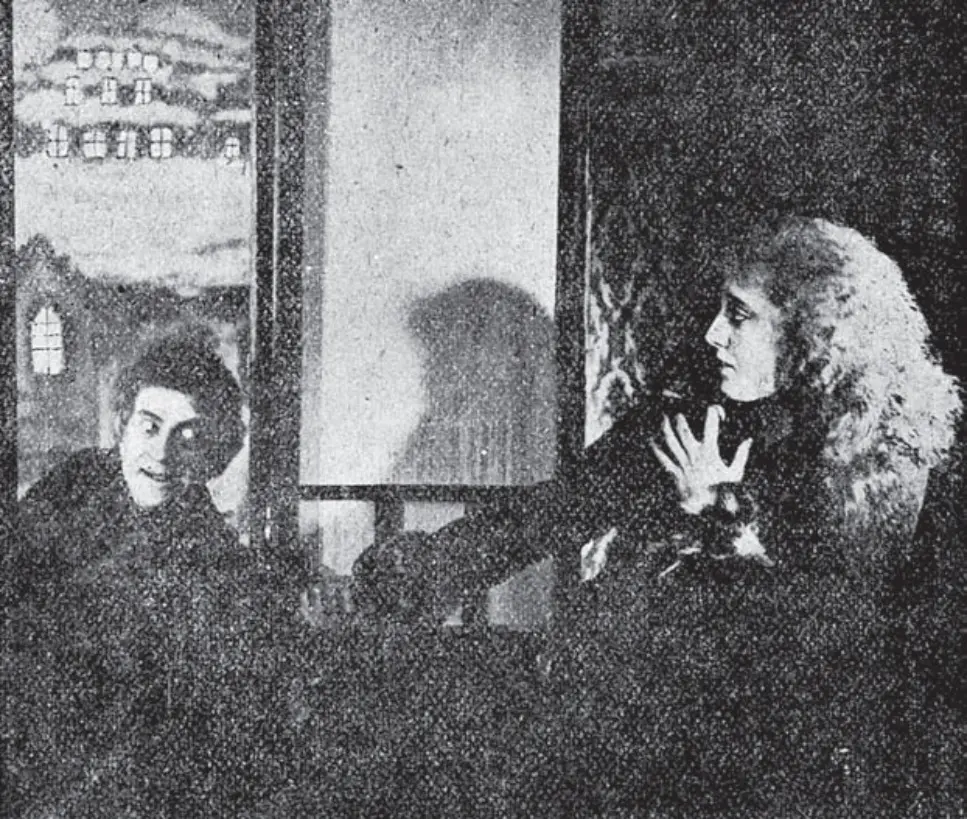
A girl has frightening visions after visiting an insane asylum where one of the inmates claims to be Drakula and she can not be sure whether they were a nightmare or real..
A fevered phantasmagoria that predates Murnau’s Nosferatu by fourteen months, Dracula's Death is less a vampire tale than a dissolving tablet of identity slipped into the city’s water supply. Curtiz—then thirty-four, already a firebrand of the Austro-Hungarian film industry—shoots Budapest like a patient etherised up...
publicity
still_frame
still_frame
still_frame
still_frame
Comparing the cinematic DNA and archive impact of two defining moments in cult history.
Károly Lajthay
Gilbert P. Hamilton
Community
Log in to comment.
" A fevered phantasmagoria that predates Murnau’s Nosferatu by fourteen months, Dracula's Death is less a vampire tale than a dissolving tablet of identity slipped into the city’s water supply. Curtiz—then thirty-four, already a firebrand of the Austro-Hungarian film industry—shoots Budapest like a patient etherised upon a table. The asylum interiors are all sickly ochre and bruised teal, corridors narrowing into coffin-vanishing points. He tilts the axis of the world: ceilings slump, doorknobs ..."
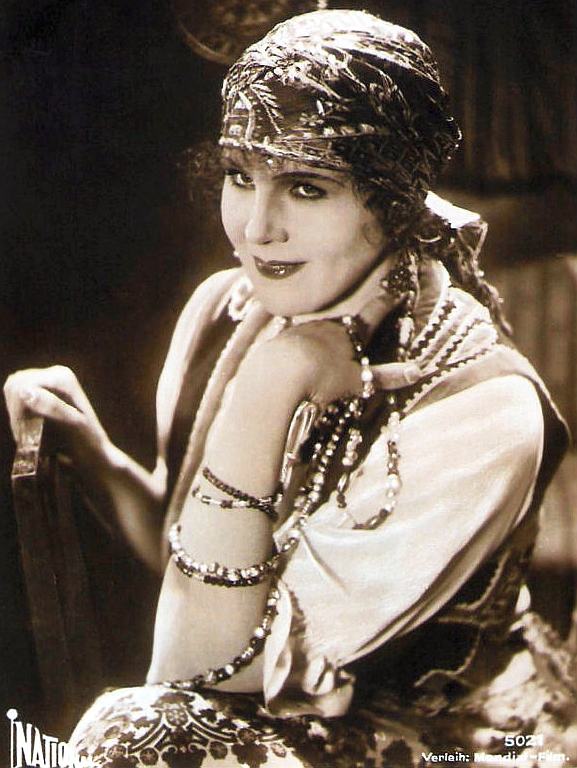
Magda Sonja
Michael Curtiz, Károly Lajthay, Bram Stoker
Hungary
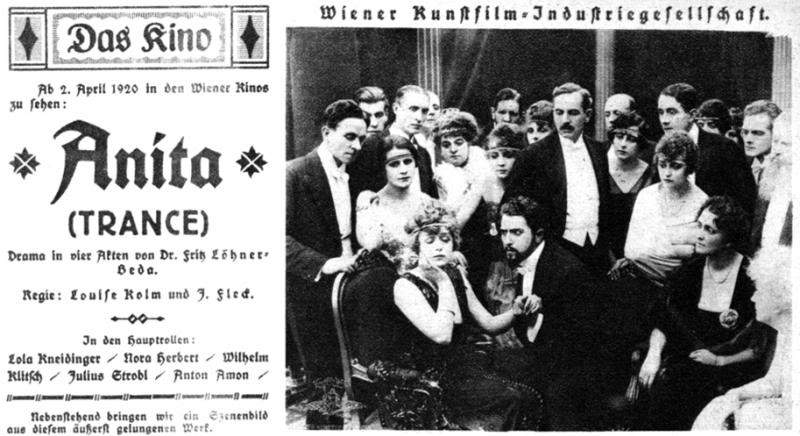
1920 · IMDb —
Jacob Fleck

Deep dive into the cult classic
Discover similar cinematic experiences
A Directorial Spotlight on Károly Lajthay