DbcultAccessing Vault...
3.8/10
Senior Film Conservator
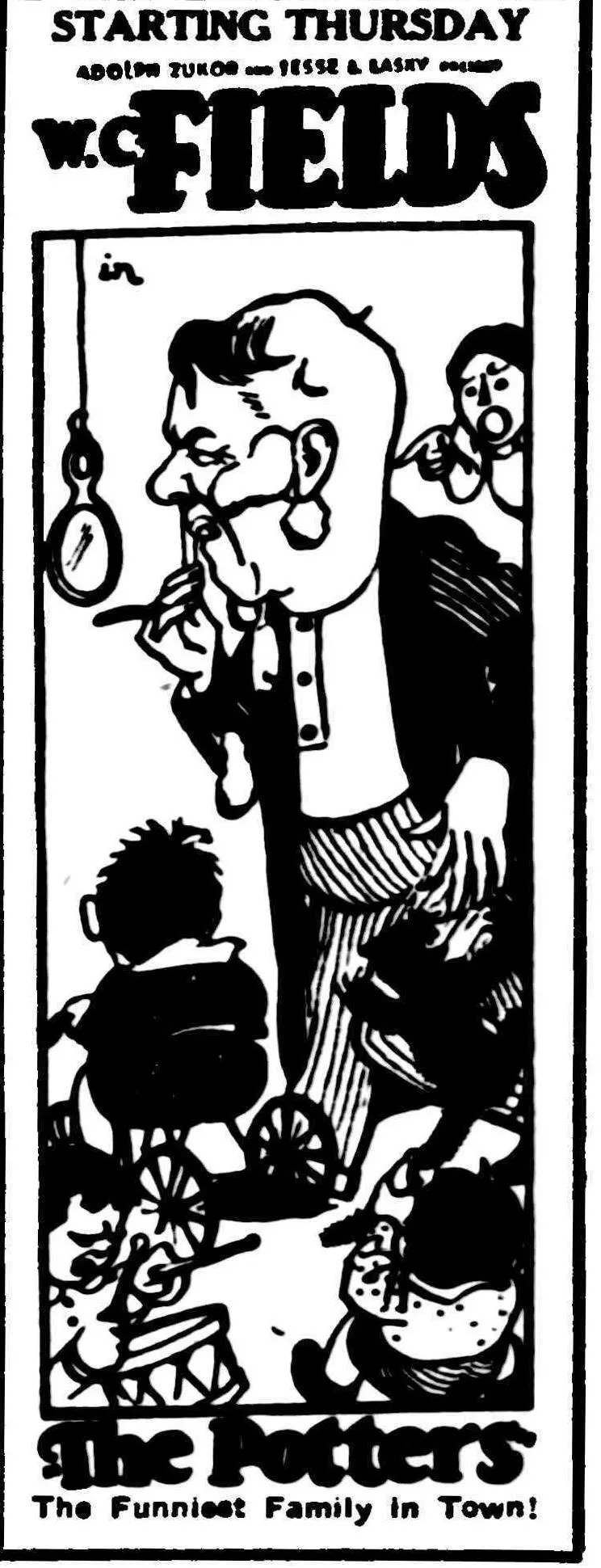
A definitive 3.8/10 rating for a film that redefined the boundaries of cult cinema. The Potters remains a cornerstone of transgressive art.
Should you bother with a nearly century-old silent film like The Potters today? The short answer is a resounding yes, though with a few crucial caveats that define its niche appeal. This film is a delightful, if dated, window into early American domestic comedy, best suited for cinephiles, fans of W.C. Fields, and those curious about the roots of modern humor.
However, if your cinematic palate demands fast pacing, complex narratives, or high-definition visuals, The Potters will likely test your patience. It’s a historical artifact as much as it is entertainment, offering rewards to those willing to meet it on its own terms.
The Potters, a silent film from 1925, offers a fascinating, often charming, look at the comedic sensibilities of its era. At its core, it's a domestic farce, a genre that has proven remarkably resilient through cinematic history. The plot, centered around Pa Potter's ill-advised investment in oil stock, is simple enough to serve as a sturdy framework for character-driven humor and the kind of gentle satire that defined much of the period's output.
What makes The Potters particularly intriguing is its reliance on the then-burgeoning star power of W.C. Fields. Fields, even in this relatively early stage of his film career, brings a distinctive brand of physical and character comedy that stands out amidst the often broad strokes of silent cinema. His portrayal of Pa Potter is less about grand gestures and more about the subtle exasperation and world-weary charm that would become his hallmark.
This film works because it provides an invaluable look at the foundational elements of American comedy, anchored by a unique performance from a comedic legend.
This film fails because its pacing and narrative simplicity can feel laborious to a contemporary audience unfamiliar with silent film conventions.
You should watch it if you appreciate cinematic history, the evolution of comedic performance, or are a devoted fan of W.C. Fields’ distinctive style.
W.C. Fields as Pa Potter is, without question, the gravitational center of this film. By 1925, Fields had already honed his vaudeville act for decades, and his transition to cinema was less about learning new tricks and more about adapting his established persona to the demands of the screen. His performance here is a masterclass in understated comedic timing for the silent era, relying on subtle facial expressions, a distinctive gait, and a general air of amiable exasperation.
One particular moment that exemplifies Fields' genius, even in this early work, is his reaction to the news of his 'worthless' investment. Instead of histrionics, he conveys a deep, almost existential sigh, a shrug of resignation that speaks volumes. It’s a moment that foreshadows the dry wit and cynicism that would define his later, sound-era films. He doesn't need dialogue to convey the weight of his poor decision, nor the flicker of hope when the 'worthless' stock is re-evaluated.
Fields’ unique brand of anti-hero, often a grumbling, slightly crooked but ultimately endearing figure, is on full display. He’s not overtly slapstick, like a Chaplin, nor as purely innocent as a Keaton. Fields occupies a space all his own, a curmudgeonly everyman whose struggles resonate because they feel so grounded in human folly. This film is an essential stepping stone in understanding the evolution of one of America's most singular comedic voices.
While Fields undeniably carries the film, the supporting cast provides crucial texture to the Potter household. Mary Alden, as Ma Potter, delivers a performance that perfectly complements Fields’ character. Her exasperation is palpable, yet tinged with a deep-seated affection for her wayward husband. She embodies the long-suffering, pragmatic wife, a common trope of the era, but she imbues it with a genuine warmth that prevents her from becoming a caricature.
Ivy Harris, playing the daughter, brings a youthful energy that contrasts nicely with the older generation's anxieties. Her performance, while perhaps less nuanced than Alden's, is effective in portraying the hopes and frustrations of the younger generation caught in their parents' financial predicaments. The interplay between the family members feels authentic, despite the heightened reality of the comedic situations.
Joseph W. Smiley, Bradley Barker, and Richard 'Skeets' Gallagher round out the cast, each contributing to the bustling, often chaotic atmosphere of the Potter home. Their collective performances underscore the film's theme of familial bonds enduring through hardship and comedic misunderstanding. It's a testament to the casting that even in a silent film, the distinct personalities of the supporting players come through clearly, enriching the overall experience.
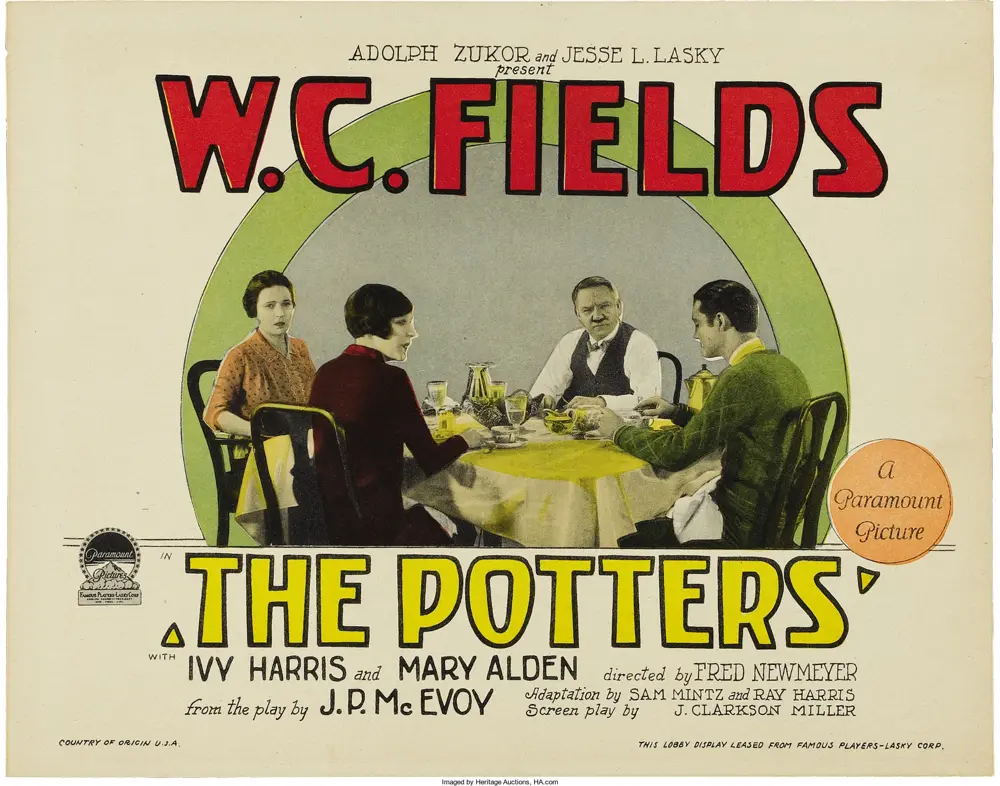
As a film from 1925, The Potters naturally operates within the technical constraints of its time. Cinematography, while not groundbreaking, serves the story adequately. The camera work is largely static, focusing on framing the action within domestic settings, allowing the actors to perform their comedy without elaborate visual effects or dynamic movement. There are no sweeping vistas or intricate tracking shots here; the focus remains squarely on the characters and their interactions.
Lighting is functional, designed to ensure visibility and highlight facial expressions, which were paramount in silent film acting. The sets are convincing enough for a modest family home, creating a believable backdrop for the comedic events. One could argue that the simplicity of the production design actually aids the film, preventing distractions and keeping the audience's attention on Fields and the family's plight.
Pacing is perhaps the most challenging aspect for modern viewers. Silent films, particularly comedies, often allowed scenes to unfold at a more deliberate rhythm, relying on intertitles to convey dialogue and exposition. While this can feel slow by today's standards, it's also an opportunity to appreciate the nuances of physical comedy and character development that might be rushed in a faster-paced film. The film’s tone is consistently lighthearted, a gentle satire of middle-class aspirations and anxieties, never veering into truly dark territory.
Absolutely, but with specific expectations. The Potters is not a film that will grab every viewer, nor should it. Its value lies in its historical significance and its showcase of an early performance by a comedic giant.
For those interested in film history, particularly the transition from vaudeville to cinema, it's an essential watch. Fields' unique brand of humor, which relies more on character and subtle reaction than broad physical gags, is fully formed here. It’s a foundational piece for understanding his later work and the development of American comedy.
However, if you're not already accustomed to the rhythm of silent films, or if you prefer contemporary humor, you might find it a struggle. The lack of sound, the reliance on intertitles, and the deliberate pacing are hurdles for some. It demands patience and an appreciation for a different kind of storytelling. But for those who embrace it, there’s a quiet charm and genuine humor to be found.
It works. But it’s flawed. Its historical context elevates it beyond mere entertainment.
What truly gives The Potters its lasting resonance is not its plot, which is fairly standard, but its characterizations. Pa Potter, with his blend of naiveté and stubbornness, is a figure many can recognize – a dreamer whose schemes often lead to more trouble than triumph. This universality of character, particularly in Fields' capable hands, transcends the silent era's limitations.
The film also subtly critiques the American obsession with quick wealth, a theme that remains relevant. The 'worthless oil stock' serves as a potent symbol of speculative ventures that promise much but deliver little, or at least, appear to. The eventual twist, implying the stock might not be so worthless after all, adds a layer of ironic optimism that is characteristic of the era's lighter fare.
One surprising observation is how well Fields' comedic timing translates without dialogue. His pauses, his glances, his very posture communicate more than many actors manage with a full script. It’s a testament to the power of pure performance and the universal language of body humor. This film makes a strong case for silent cinema's ability to tell compelling, funny stories.
When placed alongside other films of its time, The Potters occupies a specific niche. It lacks the grand scale and visual innovation of a Buster Keaton vehicle like The Cyclist (hypothetical, assuming a cycling-themed Keaton film) or the poignant social commentary often found in Charlie Chaplin's work. Instead, it leans into a more intimate, character-driven comedy, akin to some of the domestic dramas or farces that were popular on stage.
It’s also distinct from the more dramatic roles of stars like Mary Alden in other features, showcasing her versatility. While not as overtly experimental as some European films of the period, The Potters nevertheless carves out its own identity through its focus on ensemble dynamics and the specific comedic persona of its star.
The Potters is more than just a relic; it's a foundational text for understanding American screen comedy. While it demands a certain level of patience and an appreciation for cinematic history, the rewards are considerable. W.C. Fields' performance alone is worth the price of admission (or the effort of seeking it out). He demonstrates, even in the silent era, a unique comedic voice that would resonate for decades to come.
It’s a film that proves that true comedic talent transcends the need for dialogue, special effects, or even a particularly groundbreaking plot. Its charm lies in its simplicity, its characterizations, and the sheer, undeniable presence of its star. If you're willing to adjust your expectations and immerse yourself in a bygone era, The Potters offers a delightful and insightful viewing experience. It’s a quiet triumph, a testament to the enduring power of human folly and the laughter it inspires.
IMDb —
1918
Community
Log in to comment.