Summary
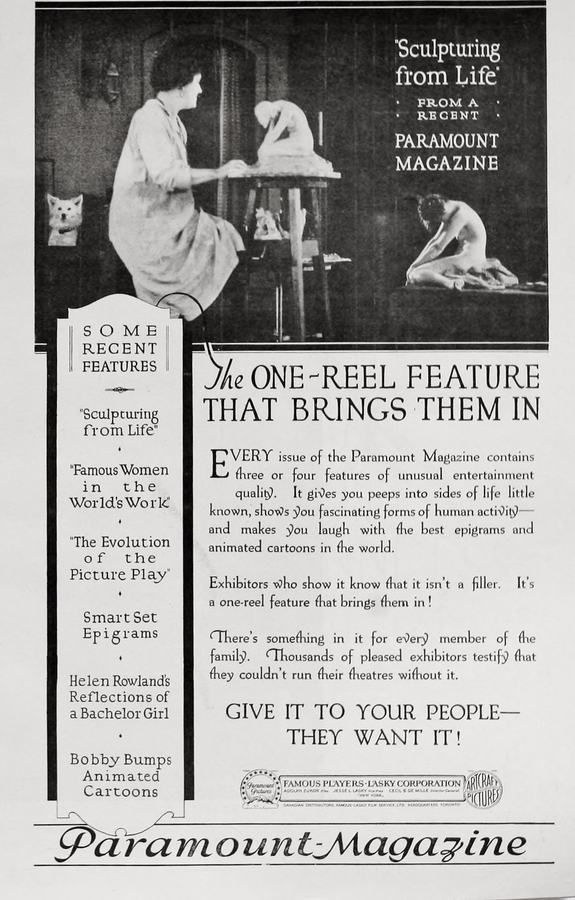
In a sepia-toned fever dream of 1919, Famous Women in World’s Work detonates the corseted myth that history is a gentleman’s club. The film stitches together archival daguerreotypes, hand-tinted newsreels, and phantom reenactments to resurrect factory girls who unionized Singer sewing machines, a Black riveter who built Liberty ships with a infant strapped to her back, and a Sapphic astronomer who charted comets by night while decoding wartime telegrams by day. Each vignette is scored by the hiss of pneumatic tubes and the ghost-rattle of typewriter bells, as though the celluloid itself is exhaling lost labor. Rather than bow to biopic piety, the picture fractures time: 1830s millworkers text each other via telegram wires; a 1910s conductress pilots an elevated train through a corridor of silent suffragists holding mirrors that reflect futures yet unborn. The camera, drunk on magnesium flare, lingers on calloused palms, grease-bruised hems, and eyes that burn like struck matches. There is no central protagonist—only a constellation of hands passing a torch made of paychecks, pamphlets, and blood-spotted petticoats. At 71 minutes, it feels both breathless and eternal, ending with a freeze-frame of a secretary tearing a “Help Wanted—Male Only” sign in half while the world behind her bursts into a timelapse of skyscraper scaffolding. The final intertitle, half-erased by emulsion rot, reads: “History wrote them out. The reel writes them back.”
Review Excerpt
"
The first thing that hits you is the smell—nitrate singed, metallic, like a penny held too long against the skin. Famous Women in World’s Work doesn’t simply unspool; it combusts, leaving sooty fingerprints on your retina. Archivist Thea Beckmann’s restoration team found the sole surviving 35 mm print in a Rotterdam basement, water-warped and fused into a single vinegar-scented brick. They bathed it in alcohol vapors, teased apart frames with dental tools, then scanned them at 8K so every scorc..."