DbcultAccessing Vault...
6.1/10
Senior Film Conservator
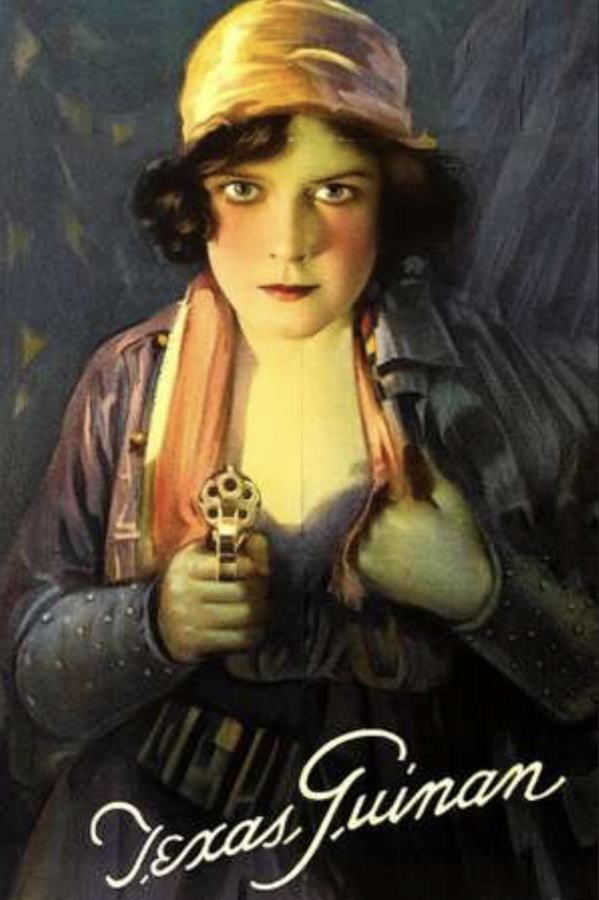
A definitive 6.1/10 rating for a film that redefined the boundaries of cult cinema. The Girl of the Rancho remains a cornerstone of transgressive art.
In the annals of early cinema, particularly within the vast, myth-making landscape of the Western genre, certain films, though perhaps less frequently cited in mainstream discourse, hold an undeniable resonance. One such artifact, a flickering testament to a bygone era of storytelling, is 'The Girl of the Rancho'. This silent drama, featuring the formidable Texas Guinan, offers more than just a glimpse into rudimentary filmmaking; it provides a compelling narrative of defiance, courage, and the primal instinct for familial protection, all framed against the rugged, untamed beauty of the American frontier. It's a cinematic journey that, even without spoken dialogue, articulates a profound human drama with stark clarity and unwavering conviction.
At the heart of 'The Girl of the Rancho' lies Texas Guinan, a personality as expansive and untamed as the very landscapes her films often depicted. Guinan was no delicate ingénue; she was a force of nature, a celebrated figure whose on-screen persona often mirrored her real-life reputation for feistiness, independence, and an unyielding spirit. In an era when female roles often veered towards the demure or the damsel in distress, Guinan carved out a niche for herself as a woman capable of holding her own, often with a gun in hand and a steely glint in her eye. Her performance here is a masterclass in silent film acting, conveying a spectrum of emotions – from initial disdain to burning fury and resolute determination – through subtle gestures, expressive eyes, and a commanding physical presence. She embodies the 'Girl of the Rancho' not merely as a character, but as an archetype: the frontier woman, resilient and resourceful, unafraid to challenge patriarchal norms or confront overt threats.
Her portrayal stands in stark contrast to some of the more overtly vulnerable female characters seen in films of the period, such as the titular role in The Foundling (1916) or even the earnest protagonist in A Welsh Singer. While those films explored different facets of female experience, Guinan's character here is defined by agency and a refusal to be victimized, making her a compelling figure for modern audiences, even a century later. She doesn't wait to be rescued; she initiates the rescue herself, a pivotal distinction that elevates the film beyond a simple chase narrative.
Opposite Guinan's unwavering heroine is Pat Hartigan, embodying the archetypal Mexican bandit. While the portrayal might lean into certain period stereotypes, Hartigan effectively establishes a menacing presence. His character is not merely an obstacle but a catalyst, his rejected advances and subsequent act of kidnapping igniting the primary conflict. The bandit's actions are driven by a mix of wounded pride and a misguided sense of entitlement, a common villainous motivation in early Westerns. His threat is palpable, lending genuine stakes to the narrative. The film, through this central conflict, taps into universal themes of power, subjugation, and the desperate fight for freedom. The bandit's very presence, much like the ominous atmosphere evoked in a film like The Terror, serves to heighten the tension and underscore the perilous world our heroine inhabits.
The plot of 'The Girl of the Rancho', while seemingly straightforward, is imbued with significant emotional depth. The initial rejection of the bandit's advances is a powerful statement of autonomy. This isn't just a physical confrontation; it's a clash of wills, a woman asserting her right to choose. When her sister is kidnapped as a cruel reprisal, the stakes are ratcheted up exponentially. The motivation shifts from personal integrity to the fierce, protective love for a sibling. This familial bond forms the emotional bedrock of the film, transforming a simple Western trope into a deeply personal quest. The heroine's decision to lead a posse, rather than passively await assistance, highlights her extraordinary courage and leadership capabilities. It’s a testament to the strength that can be found in desperation and love, reminiscent of the sheer determination seen in narratives like I'm on My Way, albeit in a vastly different context.
As a silent film, 'The Girl of the Rancho' relies heavily on visual storytelling, exaggerated expressions, and the power of intertitles to convey its narrative. The effectiveness of the film lies in its ability to communicate complex emotions and urgent action through these means. The director, even if uncredited, understood the grammar of silent cinema: close-ups to emphasize facial reactions, wide shots to establish the vastness of the setting, and dynamic editing to build suspense during the chase sequences. The physical performances of Guinan and Hartigan are central to this, their movements and gestures speaking volumes where words could not. This reliance on visual cues is a hallmark of the era, a skill perfected in films like Dockan eller Glödande kärlek, where emotional intensity is often conveyed through the sheer artistry of the actors' bodies and faces.
The film operates squarely within the established conventions of the Western genre, yet it subtly subverts some of them through its focus on a female protagonist as the primary agent of action. The posse, typically a male-dominated endeavor, is here galvanized and led by a woman. This shift in perspective is significant, offering an early glimpse into the evolving portrayal of women in a genre often criticized for its narrow representation. The setting itself, the 'Rancho,' evokes images of sprawling cattle lands and rugged independence, a familiar backdrop for tales of heroism and villainy. While it doesn't possess the grand, sweeping scale of some later Western epics, its intimate focus on a personal vendetta within this vast setting gives it a unique intensity. The raw, unvarnished depiction of frontier life, even if romanticized, connects it to the historical authenticity sought by films like The Pendleton, Oregon, Round-Up, which, though a documentary, captures the spirit of the real West that fiction aimed to emulate.
One of the enduring themes of the Western is the struggle for justice in a land where formal law is often nascent or absent. 'The Girl of the Rancho' exemplifies this, presenting a scenario where personal grievance demands immediate, direct action. The formation of the posse is an act of vigilantism born out of necessity, a common motif in frontier narratives. The heroine doesn't appeal to distant authorities; she mobilizes her community, embodying the self-reliance and collective action often romanticized in the genre. This pursuit of personal justice, bypassing the slower, often ineffective mechanisms of formal law, mirrors the thematic undercurrents found in films that explore the limits of institutional authority, such as The Mother and the Law, where individual morality often clashes with societal strictures. It's a 'snap judgment' in action, much like the title suggests in Snap Judgment, where immediate decisions dictate fate.
Despite its age, the film maintains a surprisingly effective pace, particularly during the climactic chase and rescue sequences. Silent films often compensated for the lack of dialogue with heightened action and dynamic visual compositions, and 'The Girl of the Rancho' is no exception. The tension is built not just through the visual depiction of the pursuit but also through the intertitles, which underscore the urgency and peril. The abduction itself, an act of profound violation, sets a grim tone that propels the narrative forward with relentless momentum. The peril of the kidnapped sister, a 'child of mystery' in her vulnerability, adds another layer of emotional weight. This sense of impending doom and the desperate race against time are elements expertly handled, creating a palpable sense of suspense that would not be out of place in a mystery thriller like Der Bär von Baskerville or a dramatic escape film like Out of the Fog.
While 'The Girl of the Rancho' may not possess the sprawling ambition of some of D.W. Griffith's epics or the intricate psychological depth of later silent dramas, its significance lies in its directness, its powerful central performance, and its pioneering portrayal of female agency within a traditionally masculine genre. It’s a film that speaks to the timeless appeal of a hero’s journey, even when that hero is an unexpected one. For cinephiles and historians, it offers valuable insight into the filmmaking techniques and societal values of the early 20th century. It reminds us that even in the nascent stages of cinema, stories of courage, love, and justice resonated deeply with audiences. The film, much like the human drama depicted in The Circus of Life, captures a slice of existence, raw and unfiltered. It's a testament to the fact that some narratives, some 'songs' of human experience, even if they sometimes feel 'unsung' or overlooked like I pesn ostalas nedopetoy, continue to echo through time, their messages as potent as ever. The unwavering resolve of the protagonist, akin to the sacrificial spirit perhaps explored in La sagra dei martiri or Her Silent Sacrifice, underscores the universal human capacity for profound bravery in the face of daunting odds.
IMDb —
1926
Community
Log in to comment.