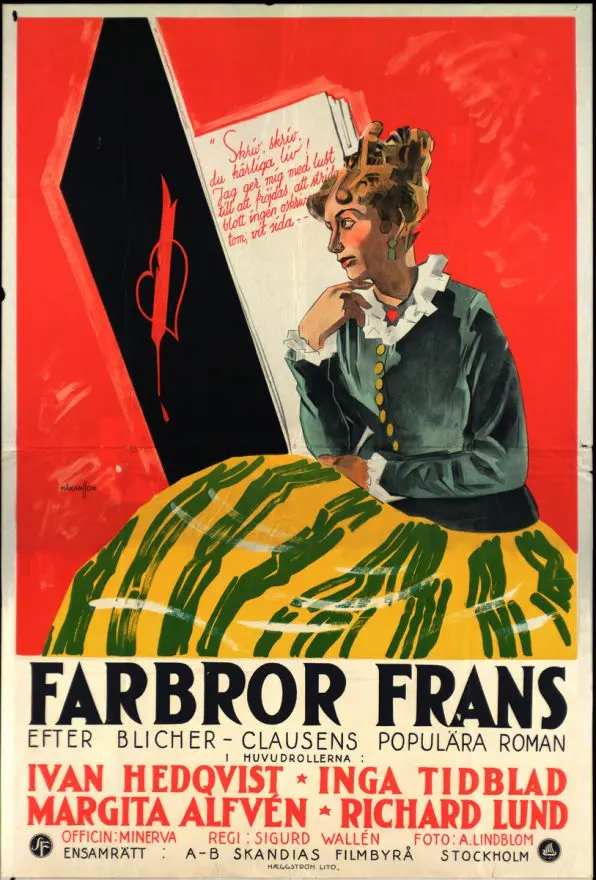
Set in 1880's, an aged woman sentimentally recalls a time of love and heartache from her own past in segments of flashbacks. Based on the novel by Danish writer Jenny Blicher-Clausen.
Is Farbror Frans worth watching today? Short answer: yes, but with significant caveats. This 1920s Swedish period drama offers a fascinating, albeit slow, glimpse into early cinematic storytelling and the enduring power of memory. It is a film for cinephiles, historians, and those with a deep appreciation for the quiet...
still_frame
still_frame
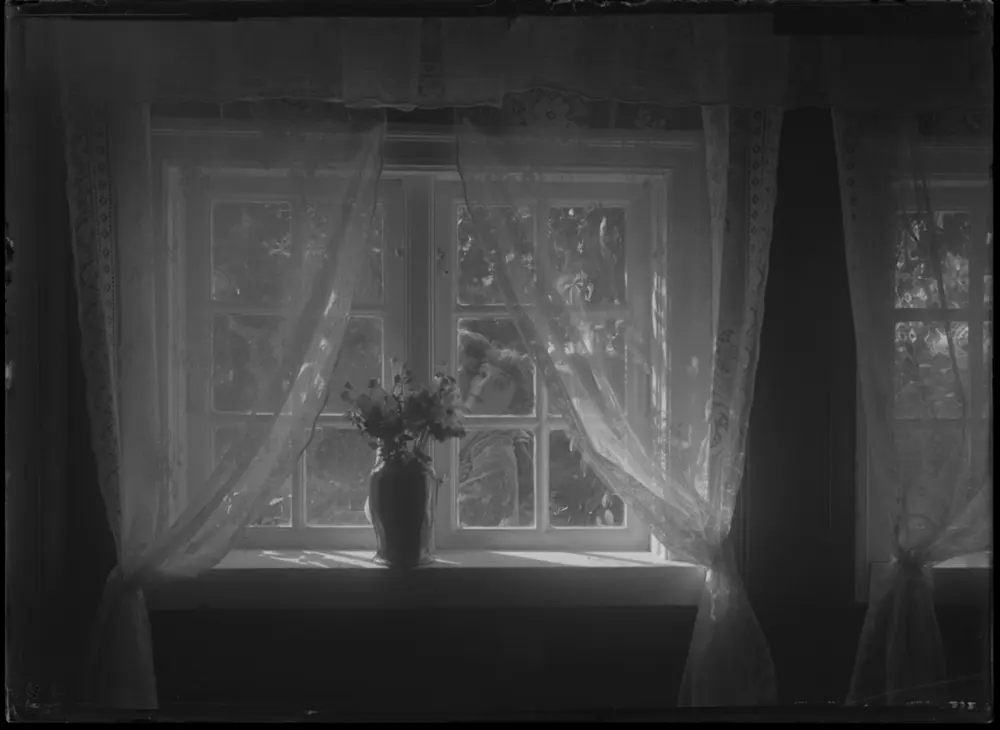
still_frame
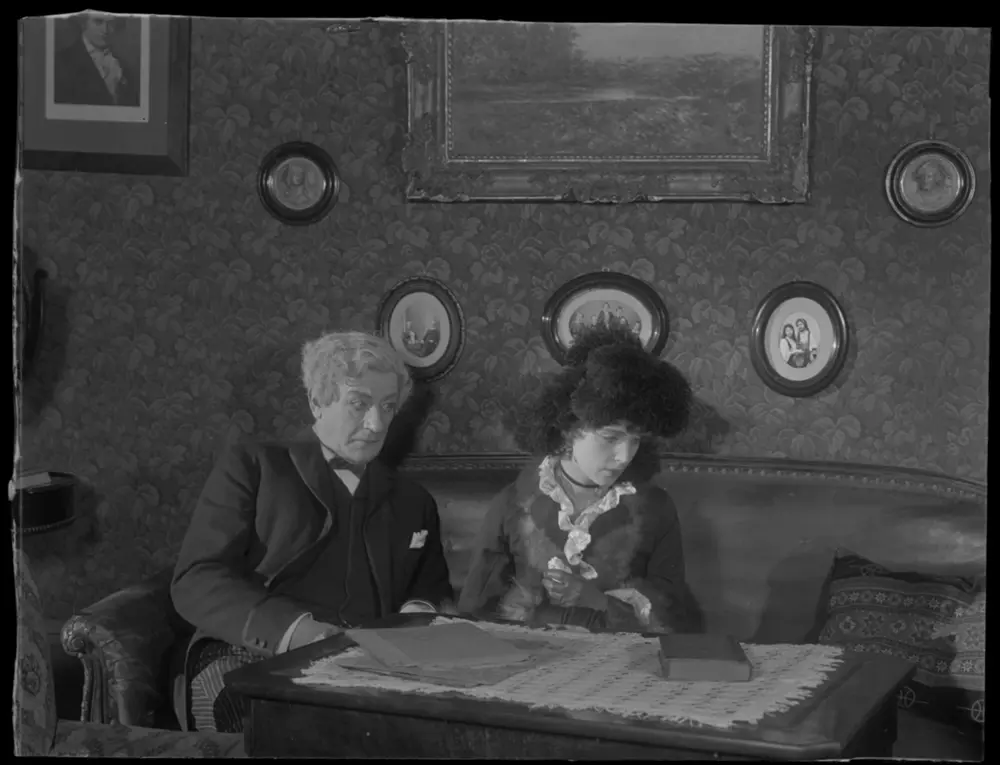
still_frame
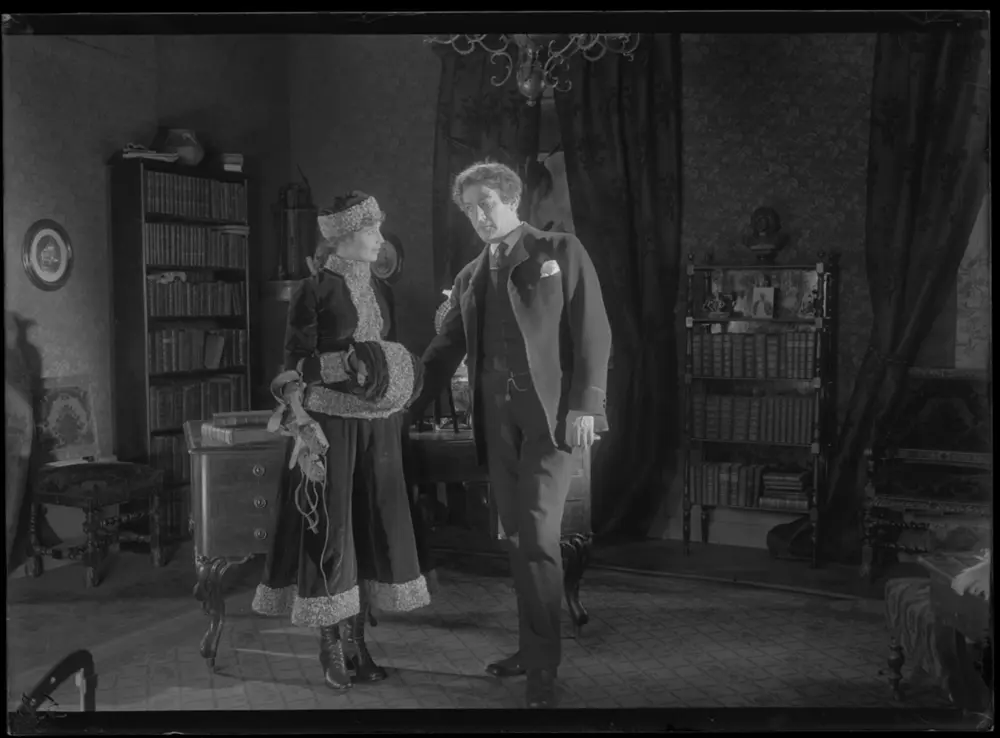
still_frame
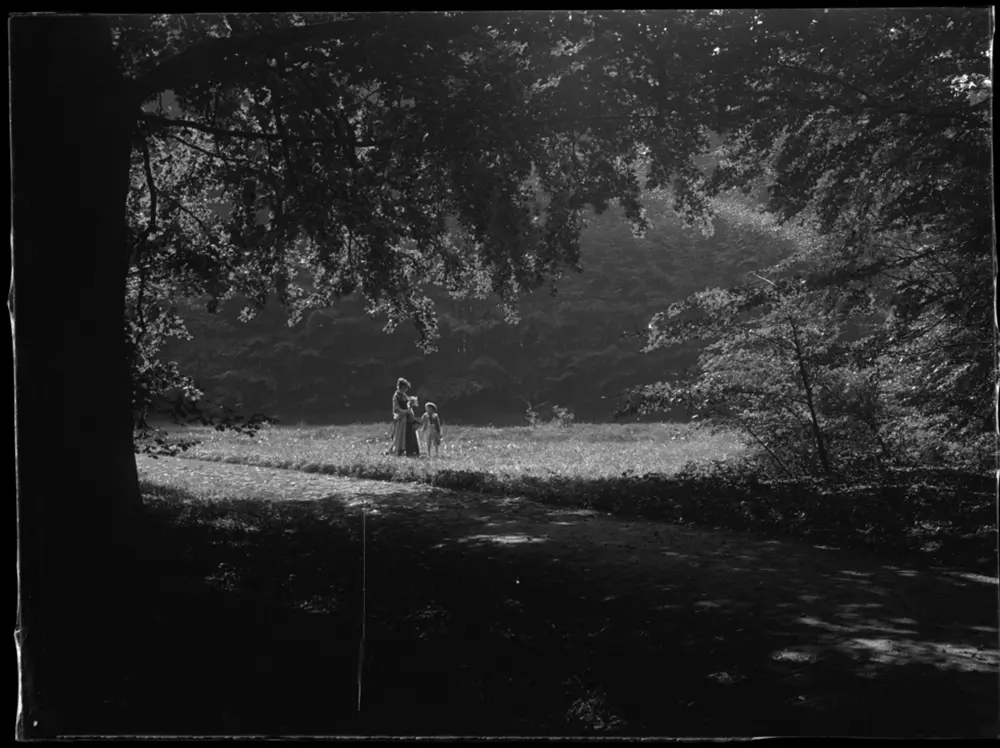
still_frame
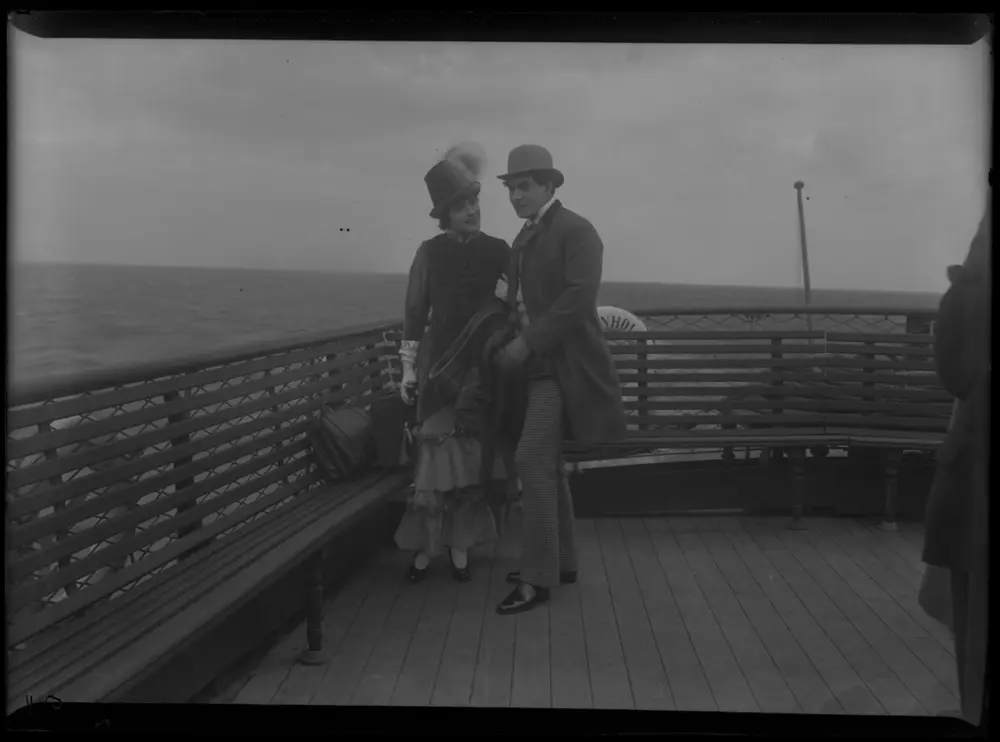
still_frame
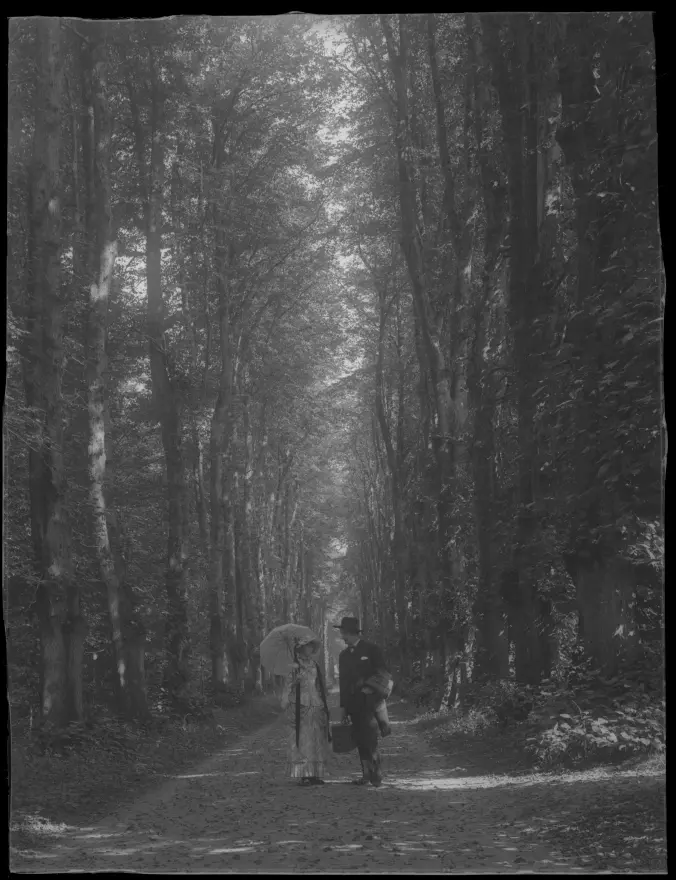
still_frame
Comparing the cinematic DNA and archive impact of two defining moments in cult history.
Sigurd Wallén
Maurice Elvey
Community
Log in to comment.
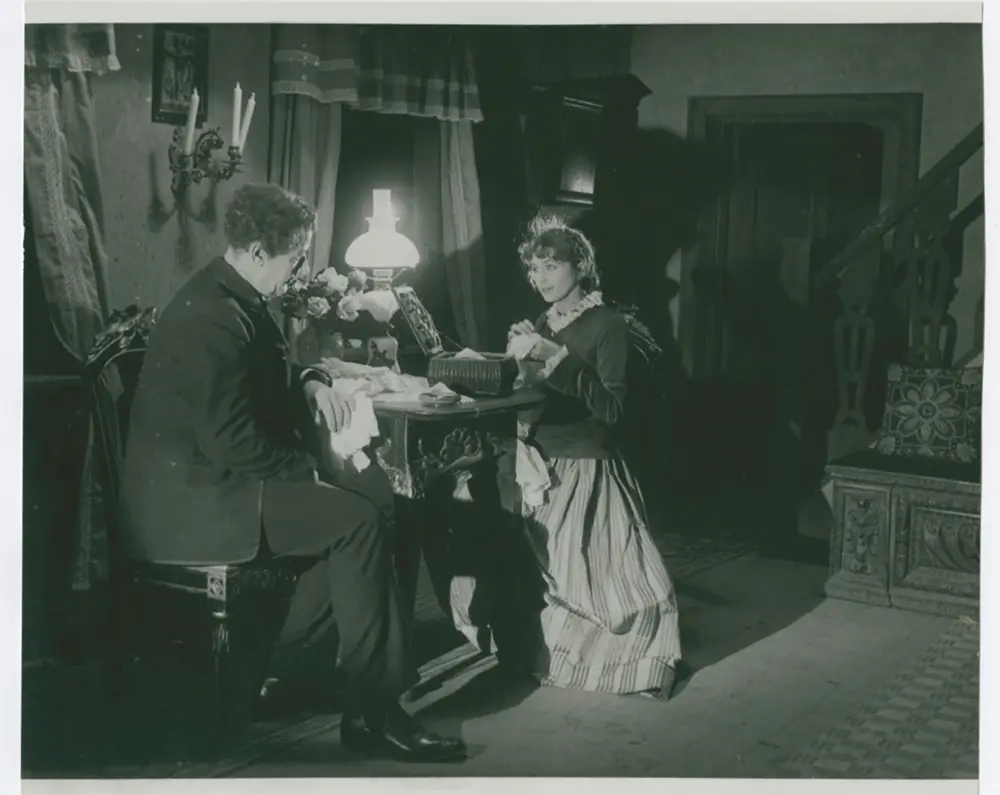
In Farbror Frans, an elderly woman, her days now tinged with the quiet solitude of memory, embarks on a profound internal journey. Her reflections transport the viewer to the twilight years of the 19th century, specifically the 1880s, where the blossoming of a deep, complicated love affair unfolds. This narrative is not a straightforward recounting, but a series of emotionally charged flashbacks, fragmented yet vivid, that chart the course of affection, the sting of heartbreak, and the intricate dance of societal expectations. It's a story less about grand events and more about the subtle, enduring impact of personal history, as seen through the prism of a life lived and remembered.
"Is Farbror Frans worth watching today? Short answer: yes, but with significant caveats. This 1920s Swedish period drama offers a fascinating, albeit slow, glimpse into early cinematic storytelling and the enduring power of memory. It is a film for cinephiles, historians, and those with a deep appreciation for the quiet, contemplative narratives of a bygone era, rather than anyone seeking fast-paced entertainment or modern narrative conventions. This film works because it crafts an atmosphere of..."
Henning Ohlson, Jenny Blicher-Clausen
Sweden