DbcultAccessing Vault...
6/10
Senior Film Conservator
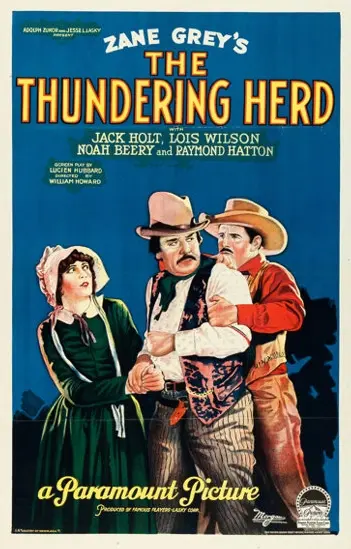
A definitive 6/10 rating for a film that redefined the boundaries of cult cinema. The Thundering Herd remains a cornerstone of transgressive art.
The Thundering Herd, a 1920 silent film directed by Lucien Hubbard and written by Zane Grey, offers a profound insight into the complexities of the American West at the turn of the 20th century. Set against the backdrop of the 1876 buffalo hunters' era, the film masterfully weaves a narrative that transcends the conventional Western genre, delving into themes of love, conflict, and survival.
Our story begins at Sprague's Trading Post, where a motley crew of buffalo hunters gathers. Among them is Tom Doan, a recent transplant from Kansas, whose introduction to the wilds marks the start of an entangled tale. It is here that he meets Milly Fayre, the enigmatic stepdaughter of Randall Jett, a leader of a gang of outlaws. The chemistry between Tom and Milly is palpable, their relationship blossoming amidst the chaos that ensues.
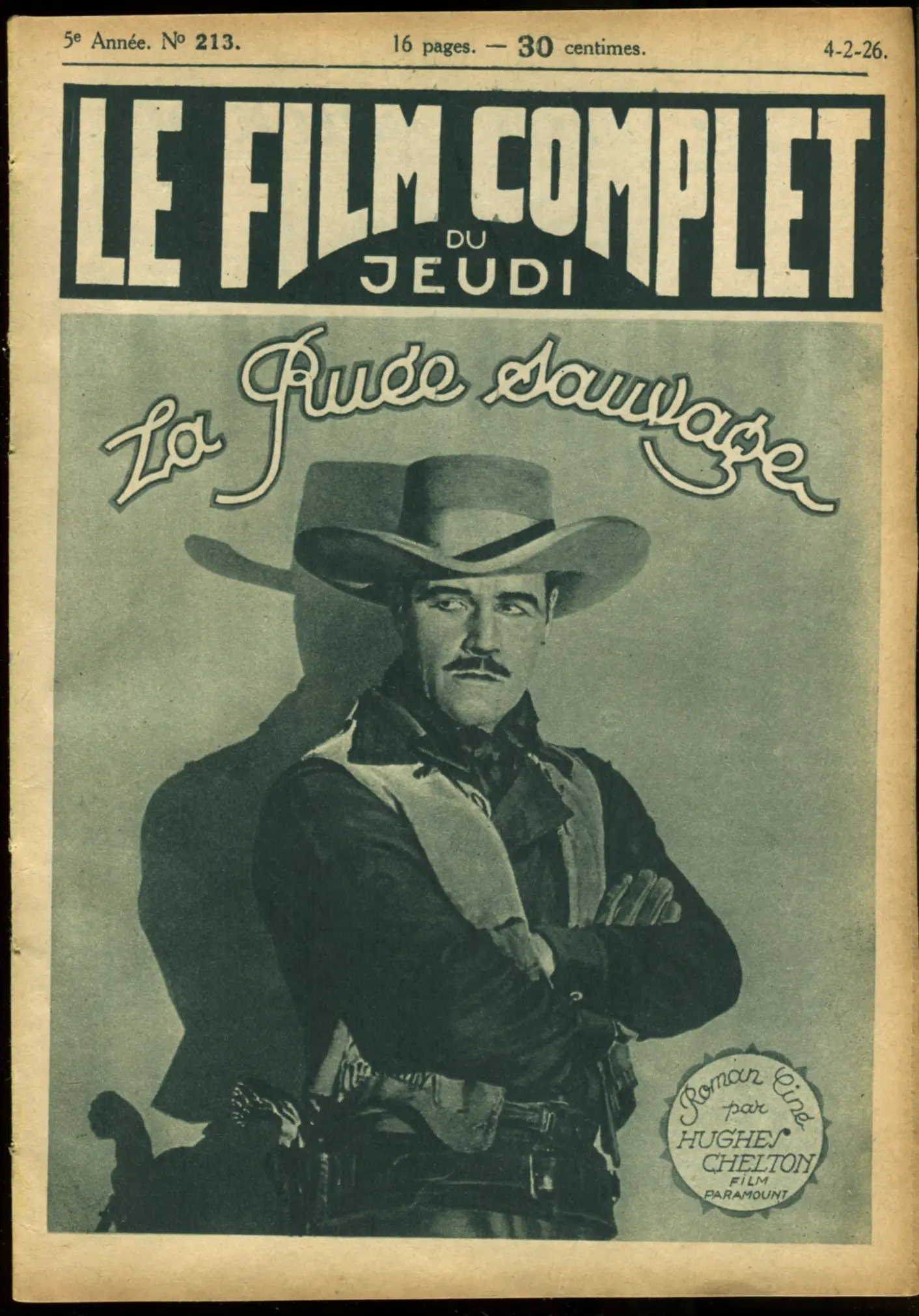
The film's narrative is driven by the relentless pressure of the Indian uprising, a direct result of the buffalo hunters' ruthless slaughter of the herds. This environmental conflict serves as a powerful metaphor for the exploitation of natural resources and the subsequent displacement of indigenous peoples. The tension escalates when Milly is separated from Tom, her escape from the post marking the beginning of a harrowing journey.
Milly's escape is fraught with danger, as she is pursued by a hostile band of Indians. The film's climactic scene depicts a dramatic chase, with Milly narrowly avoiding capture by leaping in front of a stampeding herd of buffalo. In a moment of divine intervention, Tom arrives, rescuing her from certain peril. This pivotal moment not only saves Milly but also symbolizes the convergence of human and nature, a theme that runs through the entire narrative.
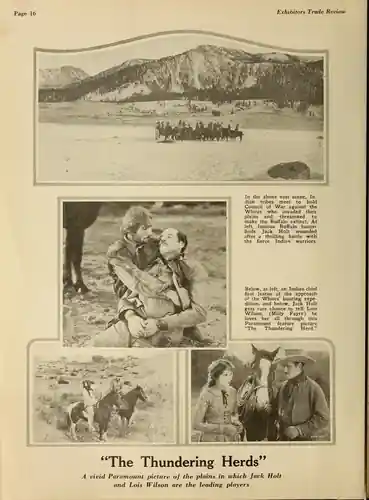
The buffalo hunters, led by a mix of determination and desperation, subdue the Indians, marking a turning point in the film. Their victory is bittersweet, as it comes at the cost of the buffalo, the very symbol of the West's natural bounty. The scene is a poignant reminder of the environmental and social costs of progress.
The film's climax is a poignant reunion between Tom and Milly, as they embark on a journey back to civilization. Their relationship, built on the shared experience of survival and mutual respect, adds depth to the narrative. The film's visual style, characterized by its stark use of natural elements and the contrast between man and the untamed West, complements the gritty, authentic portrayal of the era.
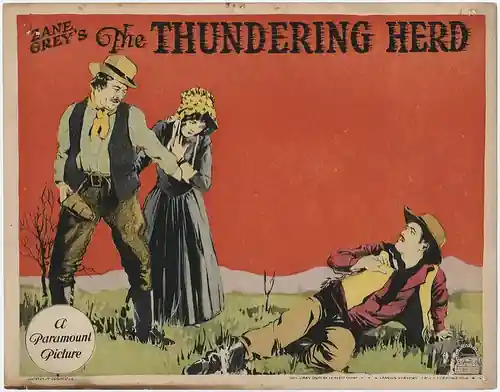
The Thundering Herd stands out not only for its historical accuracy but also for its emotional resonance. Gary Cooper, in his early career, brings a nuanced performance that captures the character's journey from innocence to resilience. Noah Beery, as Tom, portrays a character whose strength is tested by the harsh realities of the frontier.
The supporting cast, including Stephen Carr, Bob Perry, and Raymond Hatton, contributes to the film's rich tapestry, each character adding layers to the narrative. The film's score, while not explicitly mentioned, undoubtedly enhances the atmosphere, capturing the raw emotion and tension of the story.
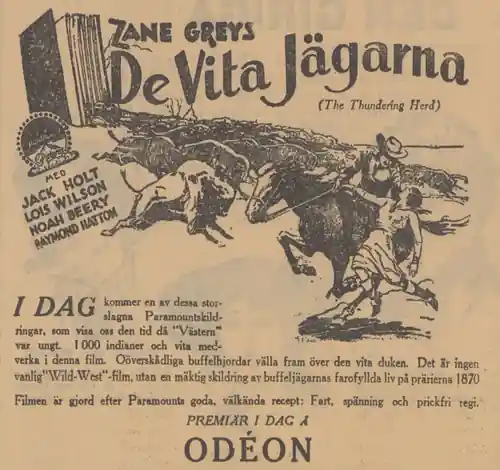
Comparatively, films like Going Straight (1920) and The Little Diplomat (1919) offer a different perspective on the Western genre, focusing more on individual characters and their moral dilemmas. However, The Thundering Herd excels in its broader narrative, weaving together themes of love, conflict, and environmental awareness. It is a film that transcends its era, offering a timeless commentary on the human condition and the consequences of our actions.
The film's technical aspects, including its cinematography and editing, are noteworthy. The use of natural light and the stark, open landscapes create a sense of isolation, emphasizing the characters' struggle to survive. The editing is seamless, with a brisk pace that keeps the audience engaged throughout the film's runtime.
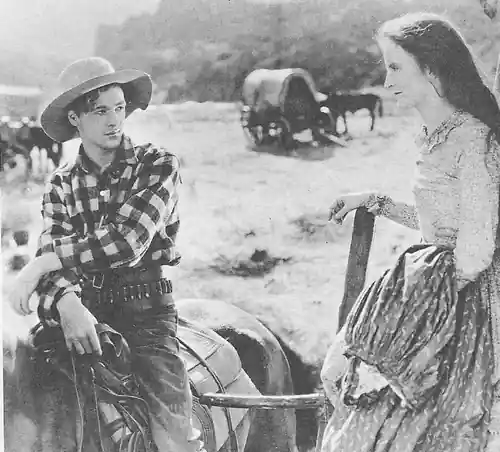
In conclusion, The Thundering Herd is a remarkable achievement in the silent film era. Its blend of historical realism, emotional depth, and environmental awareness makes it a must-watch for fans of the Western genre and history buffs alike. It is a film that not only captures the spirit of the American West but also raises important questions about the cost of progress and the value of human connection.
IMDb 3.6
1917
Community
Log in to comment.