DbcultAccessing Vault...
6.3/10
Senior Film Conservator
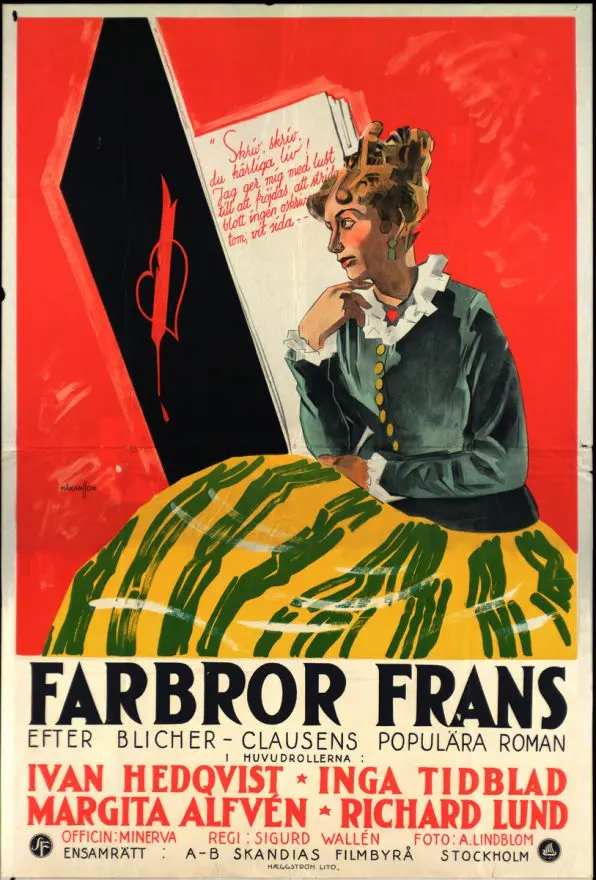
A definitive 6.3/10 rating for a film that redefined the boundaries of cult cinema. Farbror Frans remains a cornerstone of transgressive art.
Is Farbror Frans worth watching today? Short answer: yes, but with significant caveats. This 1920s Swedish period drama offers a fascinating, albeit slow, glimpse into early cinematic storytelling and the enduring power of memory. It is a film for cinephiles, historians, and those with a deep appreciation for the quiet, contemplative narratives of a bygone era, rather than anyone seeking fast-paced entertainment or modern narrative conventions.
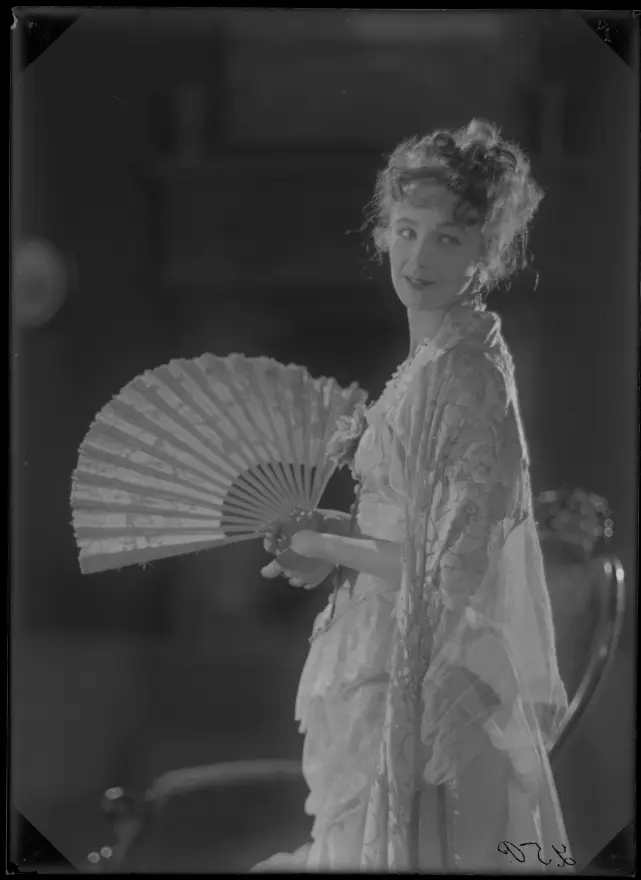
This film works because it crafts an atmosphere of profound nostalgia, anchored by a central performance that communicates deep emotional resonance without a single spoken word. Its ambitious flashback structure, revolutionary for its time, allows for a nuanced exploration of subjective memory and the bittersweet nature of recalling past loves. Furthermore, the film’s meticulous attention to 1880s period detail, from costumes to settings, provides an authentic backdrop that immerses the viewer in its historical context.
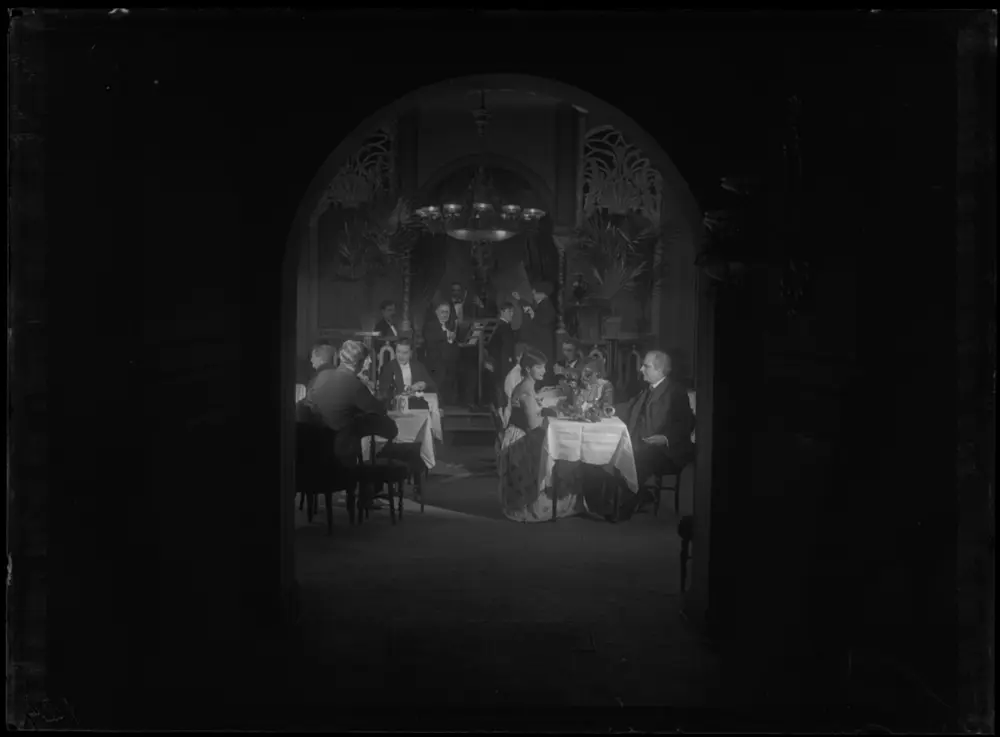
This film fails because its deliberate, almost languid pacing can feel interminable to contemporary audiences accustomed to more dynamic storytelling. The reliance on visual storytelling, while artistically commendable, occasionally leads to ambiguities that might frustrate viewers unfamiliar with silent film conventions. Moreover, some of the melodramatic flourishes, typical of the era, might now strike a modern eye as overly sentimental or even clichéd, diminishing the intended emotional impact.
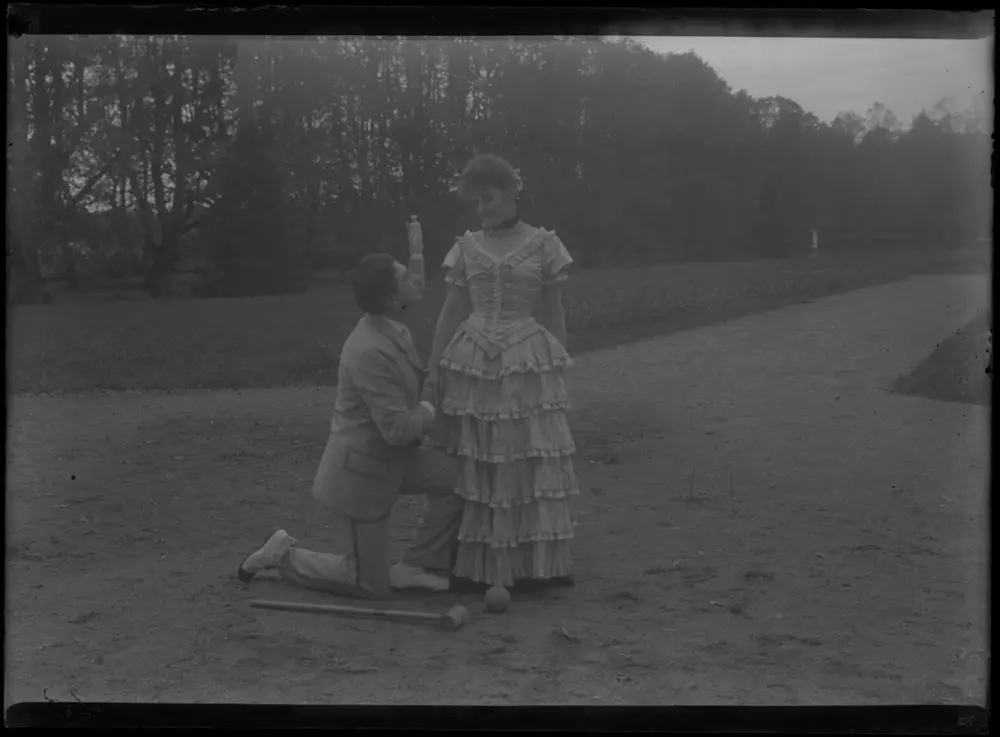
You should watch it if you are a student of film history, particularly silent cinema, or if you enjoy slow-burn dramas that prioritize emotional depth and atmospheric world-building over plot-driven action. It is also highly recommended for those interested in adaptations of classic literature, as it brings Jenny Blicher-Clausen's novel to life with a distinct visual poetry. However, if you are looking for a casual viewing experience, a fast-paced narrative, or are easily distracted by the conventions of silent film, Farbror Frans might prove to be a test of patience.
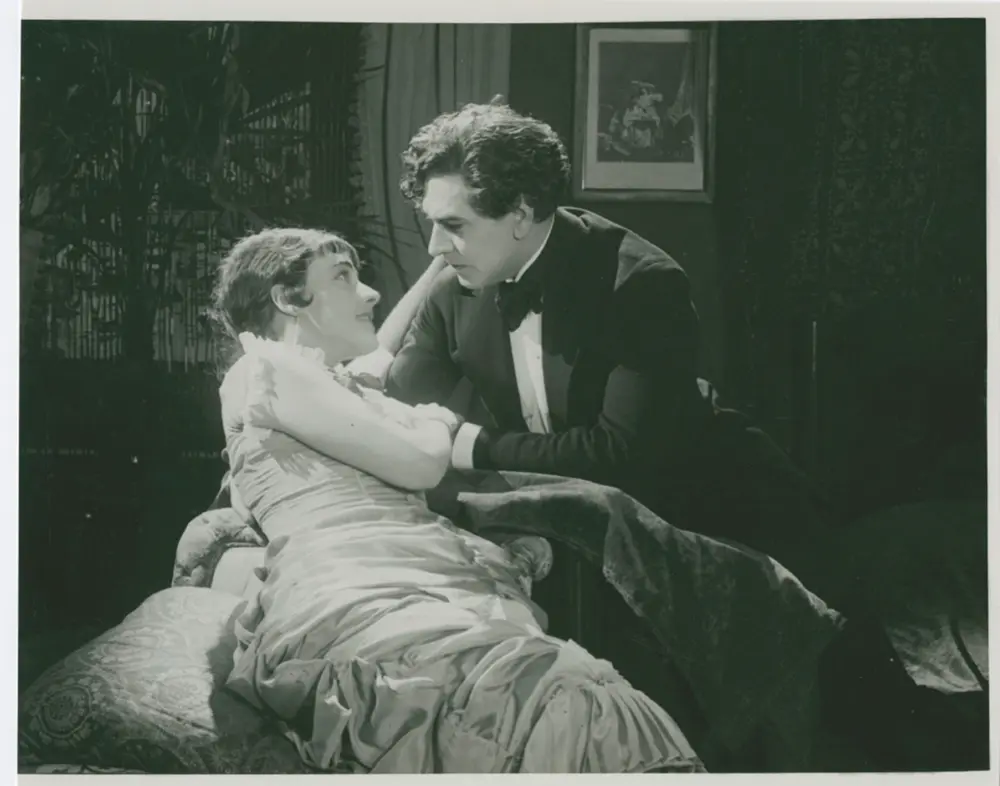
The core of Farbror Frans lies in its ambitious narrative framework: an aged woman's sentimental journey into her past. This isn't merely a chronological recounting but a deeply subjective dive, where memory itself becomes a character, shaping and coloring the events of the 1880s. The film, adapted from Jenny Blicher-Clausen's novel, understands that recalling the past is rarely a linear process; it's a mosaic of feeling, a whisper of a forgotten touch, or the sudden, sharp pang of regret. The director, Henning Ohlson, along with co-writer Jenny Blicher-Clausen, masterfully translates this internal landscape to the screen, relying heavily on visual cues and the nuanced performances of the cast.
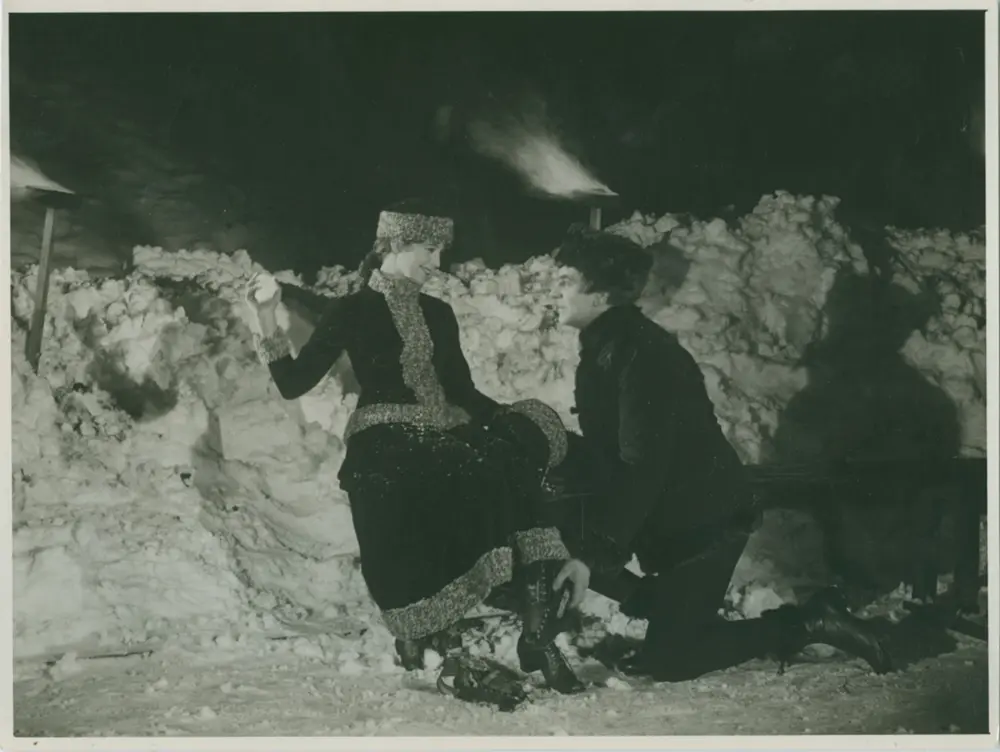
The flashbacks, rather than feeling disjointed, build a cumulative emotional weight. We are introduced to the younger version of our protagonist, likely portrayed with captivating vulnerability by Margita Alfvén, whose expressions become
IMDb 5.3
1930
Community
Log in to comment.