Summary
A lone woman, nameless to us but incandescent to the camera, drifts through a border-town dusk that seems stitched from smoke and sodium light. Every streetlamp hums like an interrogation bulb; every jukebox ballad is a confession she refuses to give. She carries a suitcase lined with newspaper clippings of vanished sailors, a cigarette ember that never quite dies, and a laugh that arrives too late, as though delayed by transatlantic static. Into this liminal aquarium of neon and menace glides a self-styled terrorist—equally anonymous—whose ideology is less manifesto than perfume: intoxicating, elusive, corrosive. Their courtship is conducted in negative space: a brush of shoulders in a laundromat that smells of gunpowder detergent, a shared glance inside a broken photo-booth that prints only silhouettes. She teaches him how to waltz on the edge of a knife; he teaches her how to vanish without turning into myth. Around them, the town’s architecture liquefies—billboards bleed into canals, balconies sag like wilted petunias—until geography itself becomes an unreliable narrator. When the promised explosion finally arrives, it is not the town that detonates but the filmstrip: frames buckle, emulsion bubbles, and the lovers’ final kiss is spliced with archival footage of carnival fireworks, suggesting that terror and tenderness are merely different exposure times for the same photograph. The closing shot—an aerial view of a Ferris wheel spinning counter-clockwise—implies history can be rewound, or at least rewatched, until the scars look like decorations.
Review Excerpt
"
The first thing you notice is the soundtrack’s heartbeat—recorded inside an abandoned elevator shaft, mixed with the whirr of a 16 mm camera gasping for sprockets. That mechanical arrhythmia sets the tempo for a narrative that refuses to sit still on the coroner’s slab we politely call plot.
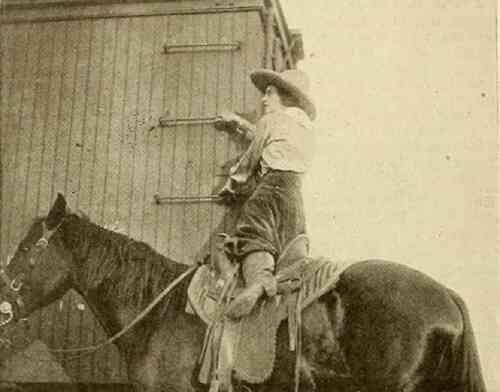
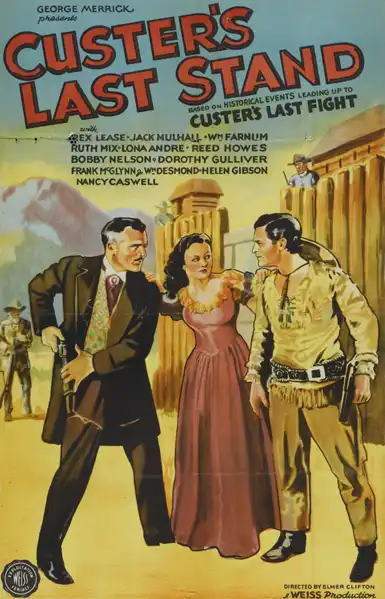
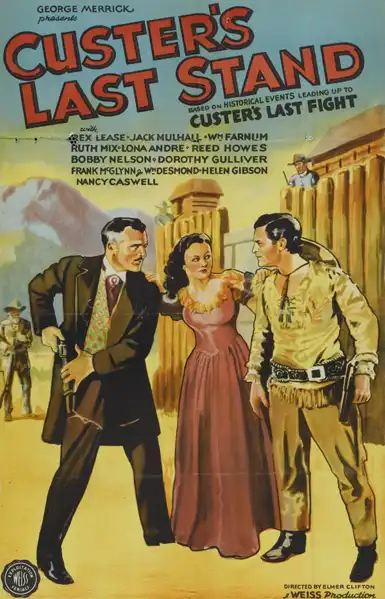
Helen Gibson, billed merely as Her, enters frame left wearing a trench coat the color of dehydrated blood. The fabric is so thin it might have been knitted from transatlantic cable insulation; when street..."