Summary
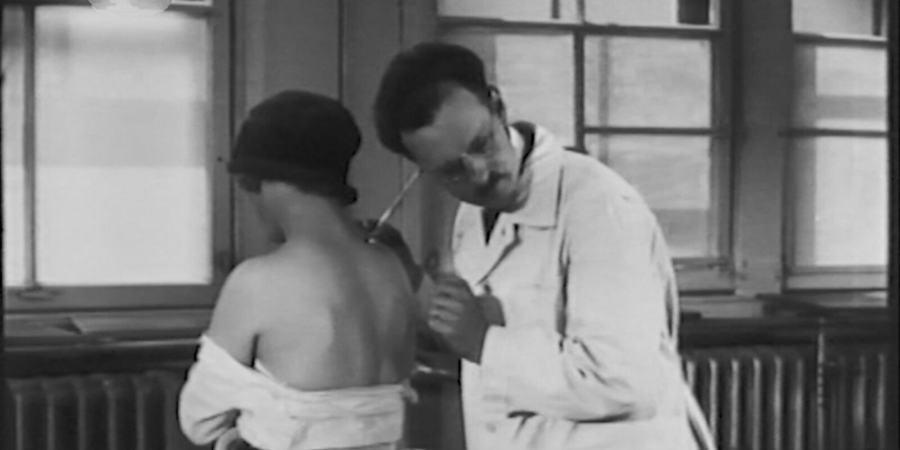
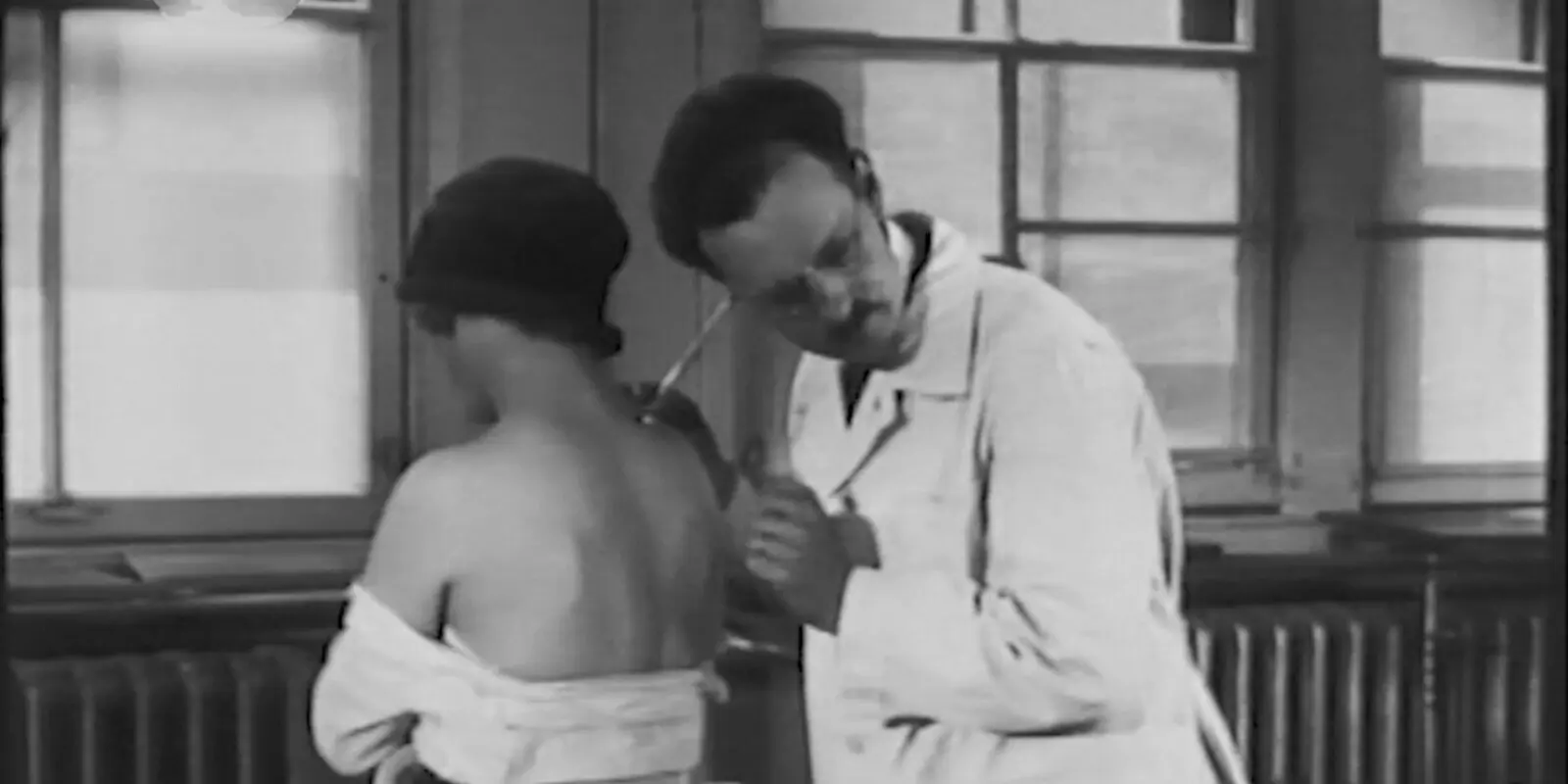
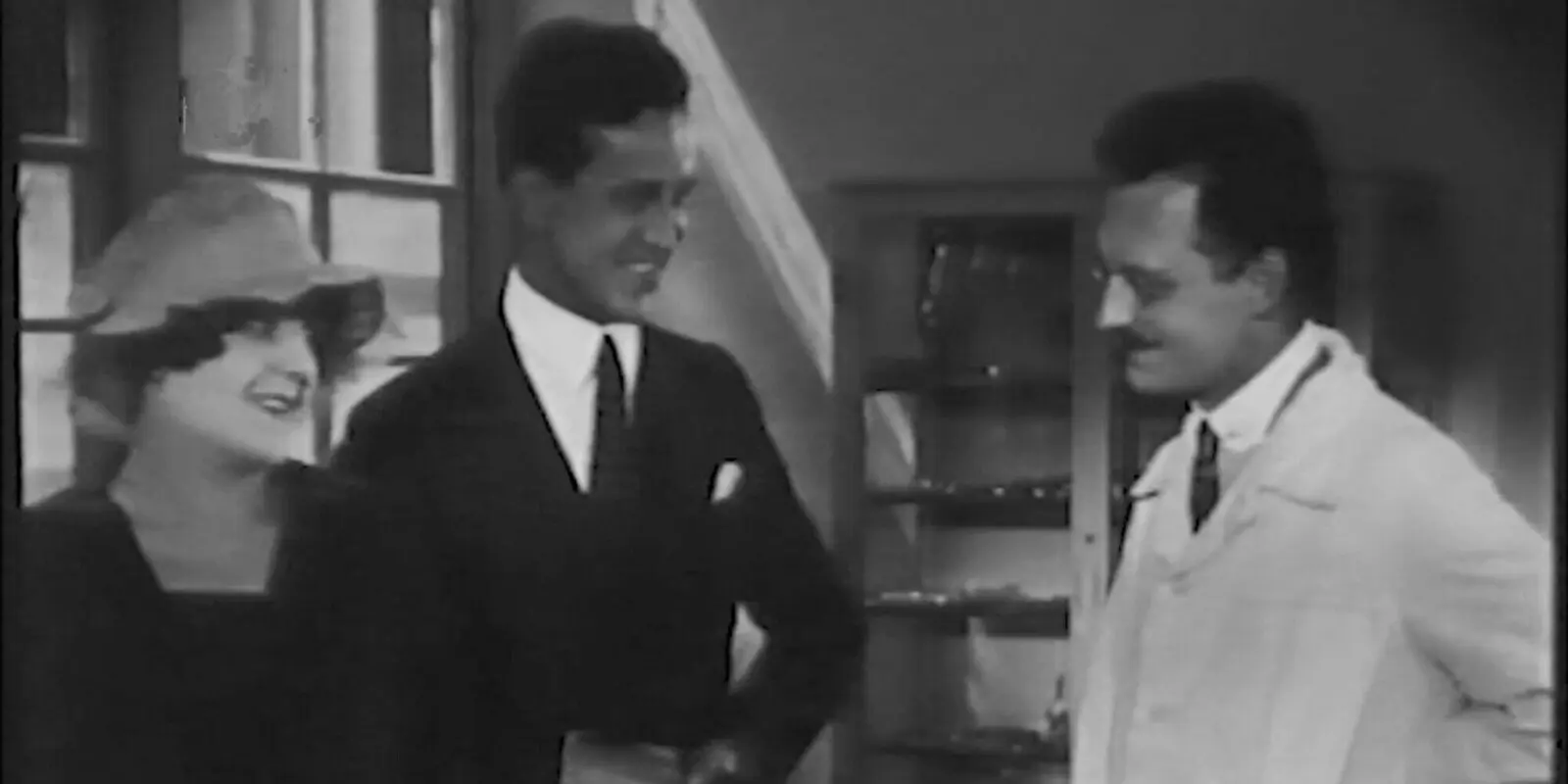
Vienna, 1922: flickering gaslight carves sickle-shaped shadows across consulting-room parquet where Professor Julius Tandler—real-life anatomist, municipal savior—presides over a film that refuses to behave like a film. Instead of plot it offers contagion cartography: syphilis spirochetes dance like Expressionist marionettes on the epidermal map of the bourgeois body; tubercular bacilli bloom into alpine landscapes inside the lungs of a seamstress; gonorrheal pus becomes a glistening Rothko canvas projected against a marriage bed. The camera, clinical yet libidinal, performs a vivisection of matrimony itself—peeling back lace curtains to disclose a husband’s calcified urethra, a wife’s barren fallopian tubes, the petri-dish silence after coitus. Between these forensic interludes, silhouetted couples enact positions lifted from Krafft-Ebing as if auditioning for a pantomime that never quite starts. Frankl’s lens lingers on rubber stamps—VERBOTEN, GESTATTET—until the ink seems to seep into the emulsion, corroding the very idea of cinematic pleasure. What narrative pulse remains is carried by the city: streetcars clang like chromosomes splitting, midwives pedal through fog with saddlebags full of prophylactic pamphlets, a boy chalks the outline of a dildo on a tenement wall then vanishes—his absence more erotic than any presence. When the film ends, the screen goes white, not black; the afterimage is not a story but a statistical graph burned onto the retina: 42 % decline in infant mortality, 19 % rise in divorce, 100 % of desire pathologized.
Review Excerpt
"
p,blockquote,ul{margin:0 0 1.2em}
a{color:#0E7490;text-decoration:underline}
a:hover{color:#EAB308}
strong{color:#C2410C;font-weight:700}
em{color:#EAB308;font-style:italic}
h2{color:#C2410C;border-bottom:2px solid #0E7490;padding-bottom:.3em;margin:2.5em 0 1em;font-size:1.6em}
h3{color:#EAB308;margin:1.8em 0 .6em;font-size:1.3em}
ul{list-style:square inside}
li{margin-bottom:.4em}
blockquote{border-left:4px solid #C2410C;padding-left:1.2em;font-style:italic;color:#ccc}
code{background:#1a1a1..."