DbcultAccessing Vault...
4.8/10
Senior Film Conservator
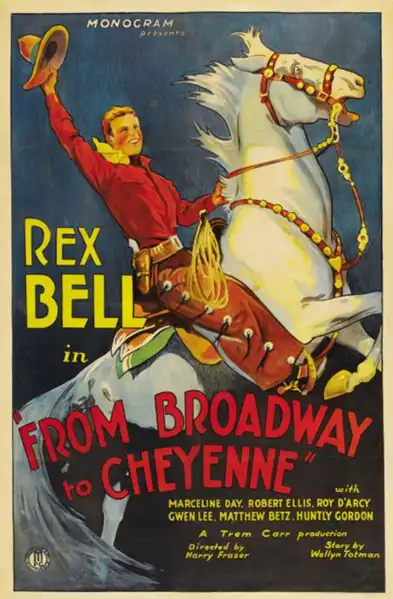
A definitive 4.8/10 rating for a film that redefined the boundaries of cult cinema. From Broadway to Cheyenne remains a cornerstone of transgressive art.
Alright, so you’re looking at From Broadway to Cheyenne and wondering if it’s worth your time today. Well, for serious old Western fans, folks who really dig into the 1930s era of film, absolutely. It’s got that specific kind of charm.
But if you’re coming in expecting modern pacing or high-octane action, you’ll probably find it a bit of a slog. This one’s for the patient, the curious, and those who appreciate the roots of the genre. Otherwise, you might just feel like you've fallen asleep on your horse. 😴
The premise is classic: big city bad guys, led by this character named Big Jim (played by Matthew Betz, who's got a great sneer), try to set up a protection racket in a sleepy Western town. They're all slick suits and sneering attitudes, a real contrast to the dusty hats and honest faces of the locals. It's a familiar setup, but it still works in its own way.
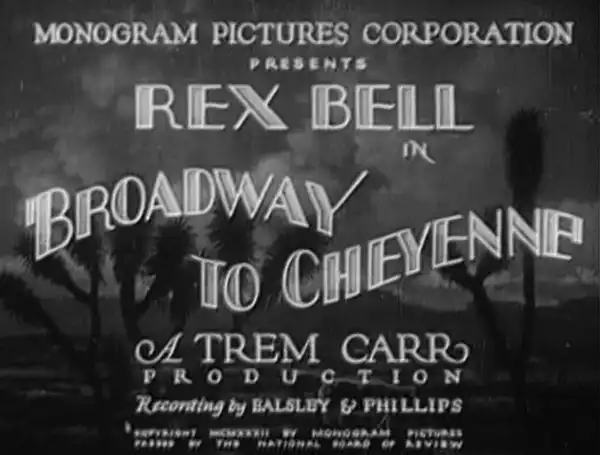
Our hero, Rex Bell as the cowboy detective, is actually pretty sharp. He doesn't just shoot his way out of problems, though there's plenty of that too. He thinks things through, which is nice. He's got a quiet intensity about him, a real solid presence.
The movie really leans into this clash of cultures. You have the rough-and-tumble cowboys trying to figure out these city thugs, who just don't understand the rules of the West. It creates some fun moments, a lot of misunderstandings.
There's this one scene where Big Jim's crew tries to intimidate a saloon owner, and the owner just kinda stares them down. _No big speeches_, just a quiet defiance. You feel that old Western spirit there, you know?
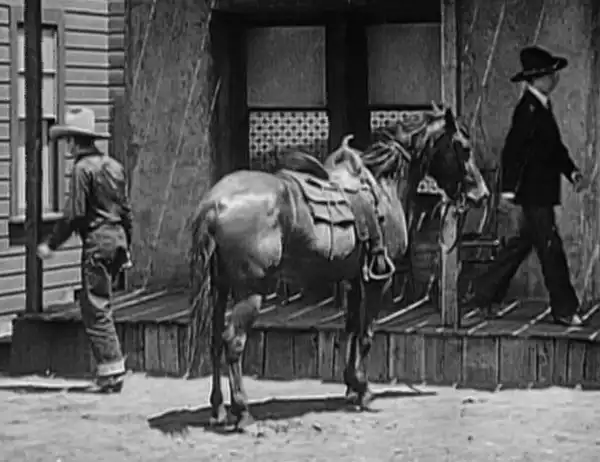
I gotta say, Si Jenks as this slightly goofy, but ultimately loyal sidekick, really makes an impression. He’s got this nervous energy, always fiddling with something. You can tell he’s just trying his best, bless him.
And then there's George 'Gabby' Hayes, always a joy to see. He's not in it a ton, but when he is, he delivers exactly what you expect. A bit of grizzled wisdom, a few grumbles. You can tell he was already perfecting that persona even back then.
The fistfights are… well, they’re 1930s fistfights. Lots of swinging, not always connecting perfectly. But there’s a charm to their earnestness. You see a punch land and the guy just kinda _stumbles_ a bit before going down. It's not flashy, but it's honest.
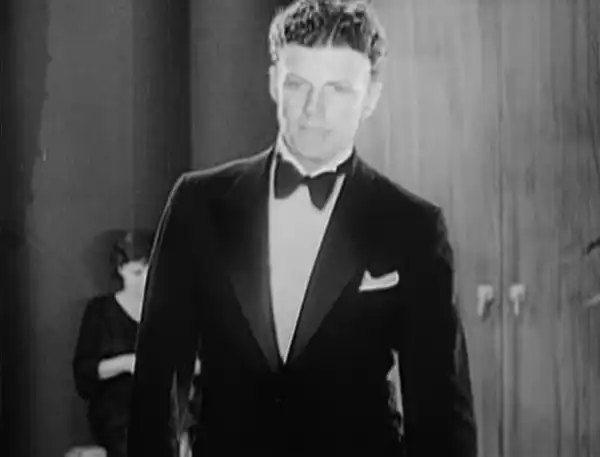
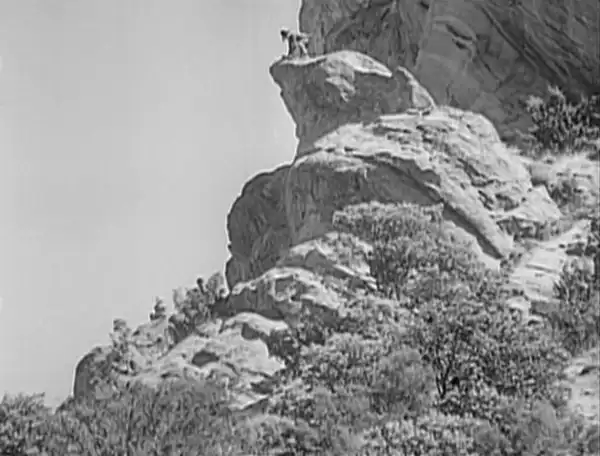
There's a great moment where Rex Bell's character is just riding through some absolutely stunning landscape. The camera just holds on him for a while, no dialogue, just the horse and the wide open spaces. It’s a nice pause. 🌄
Oh, and Sheik the Horse! You know, every good cowboy needs a good horse, and Sheik really pulls his weight. He’s not just scenery; he’s a character. He seems to know exactly what Rex Bell wants him to do, even in some pretty tricky spots.
The dialogue is fairly straightforward, but every now and then you get a real gem. Some snappy comeback that probably sounded _really clever_ at the time. It gives you a little peek into how people talked, or at least how movies imagined they talked, almost a hundred years ago.
One odd bit: the gang’s hideout feels a little too… neat. Like, for a bunch of rough criminals, their headquarters is surprisingly tidy. You’d think there’d be more chaos, more dirt. It's a small detail, but it stood out.
The movie definitely takes its time. Things unfold at a leisurely pace. You’re not rushed from one plot point to the next; you’re allowed to soak in the atmosphere a bit. This can be a strength or a weakness, depending on your mood.
Sometimes a scene goes on just a little too long, like they were filling out time. A reaction shot lingers, and you start to wonder what the actor was really thinking. 😂 But it adds to the imperfect, human feel of it all.
The director, Harry L. Fraser, he knows how to frame a shot, especially when it comes to the vastness of the West. He doesn't try to get too fancy. Just lets the landscape do a lot of the talking. It's simple, but effective.
There's a scene with a runaway stagecoach, and while it's clearly shot on a soundstage at points, the energy is there. You can feel them trying to make it exciting, and for the technology of the day, it's a solid effort. You almost forget about the obvious backdrops.
From Broadway to Cheyenne isn't going to redefine cinema, not by a long shot. But it’s a perfectly enjoyable watch for what it is: a slice of early Western filmmaking. It's got heart, some genuinely good performances from the character actors, and a straightforward story that knows what it wants to be.
It's not a movie you'll analyze for hidden meanings, but you'll probably walk away with a smile, especially if you have a soft spot for the genre. Maybe even a little urge to wear a cowboy hat. 🤠
IMDb 2
1925
Community
Log in to comment.