Summary
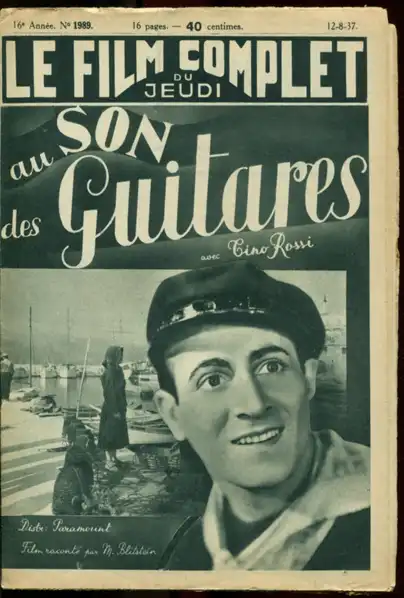
In a Paris that shivers between gaslamp and dawn, a waif-thin laundress named Lise Jaffry scrubs imperial linens while nursing a private cosmos of phosphorescent dreams. Every night she steals to the unfinished basilica of Sacré-Cœur, ascending perilous scaffolds to paint an immense fresco of a queen who radiates light rather than wearing a crown. The city’s gendarmes brand her a saboteur; the clergy mutter of blasphemy; only Maurice Thorèze, an agnostic stonemason with a cracked rib and a brooding gaze, guards her secret. When a merciless prefect (Cesar-Tullio Terrore) confiscates her pigments, Lise barters her last treasure—an ancestral cameo—for ultramarine, then grinds lapis beneath moonlight until her fingertips bleed ultramarine snowflakes. Suzy Prim, a cabaret chanteuse with a voice like burnt honey, becomes her unlikely patron, diverting audiences with bawdy refrains while Lise dangles above the nave, brush between teeth, coaxing haloes from wet plaster. Henri Myrial’s newsreel cameraman stalks the scaffolding, hungry to immortalize ‘the catacomb princess’, yet each flashpowder burst erases pigment, forcing Lise to repaint entire wings of angels. Meanwhile, street urchin Le Petit Mario scampers through catacombs delivering contraband cobalt, dodging the prefect’s bloodhounds as if playing an anarchic game of hide-and-seek with destiny itself. Léon Lorin’s bishop offers redemption if Lise will merely depict Virgin instead of Queen; she refuses, asserting sovereignty of imagination over dogma. Gennaro Dini’s fresco-restorer attempts to usurp her wall, only to find his own portrait swallowed by the queen’s expanding cloak of stars. The climax arrives during a winter tempest when the basilica’s bells ring without human hands: Lise, half-starved and paint-stained, unveils her magnum opus by candle-storm, whereupon the fresco’s queen steps forward—an optical miracle achieved by silver leaf and flicker—inviting every spectator to step into the radiance and vanish. Some flee; others dissolve into the mural, leaving only silhouettes that become new pigments. At dawn, only the stonemason remains, cradling a single brush still wet with sunrise. The camera retreats to reveal an empty cathedral wall ablaze with invisible light, while Paris below awakens, oblivious that its monochrome alleys now pulse with an afterglow no prefect can outlaw.
Review Excerpt
"
Somewhere between the first electric flicker of 1895 and the talkie tsunami of 1929, La reine Lumière slipped through history like a cobalt comet—too incandescent to belong to either silence or sound. Shot on unstable diacetate in the winter of 1926, the negative was condemned by the French censorship board for “visual anarchism,” shelved, and presumed lost after the studio Saint-Vincent vaults drowned in the Seine flood of 1930. Ninety-seven years later, a single water-stained print surfaced ..."