DbcultAccessing Vault...
6.5/10
Senior Film Conservator
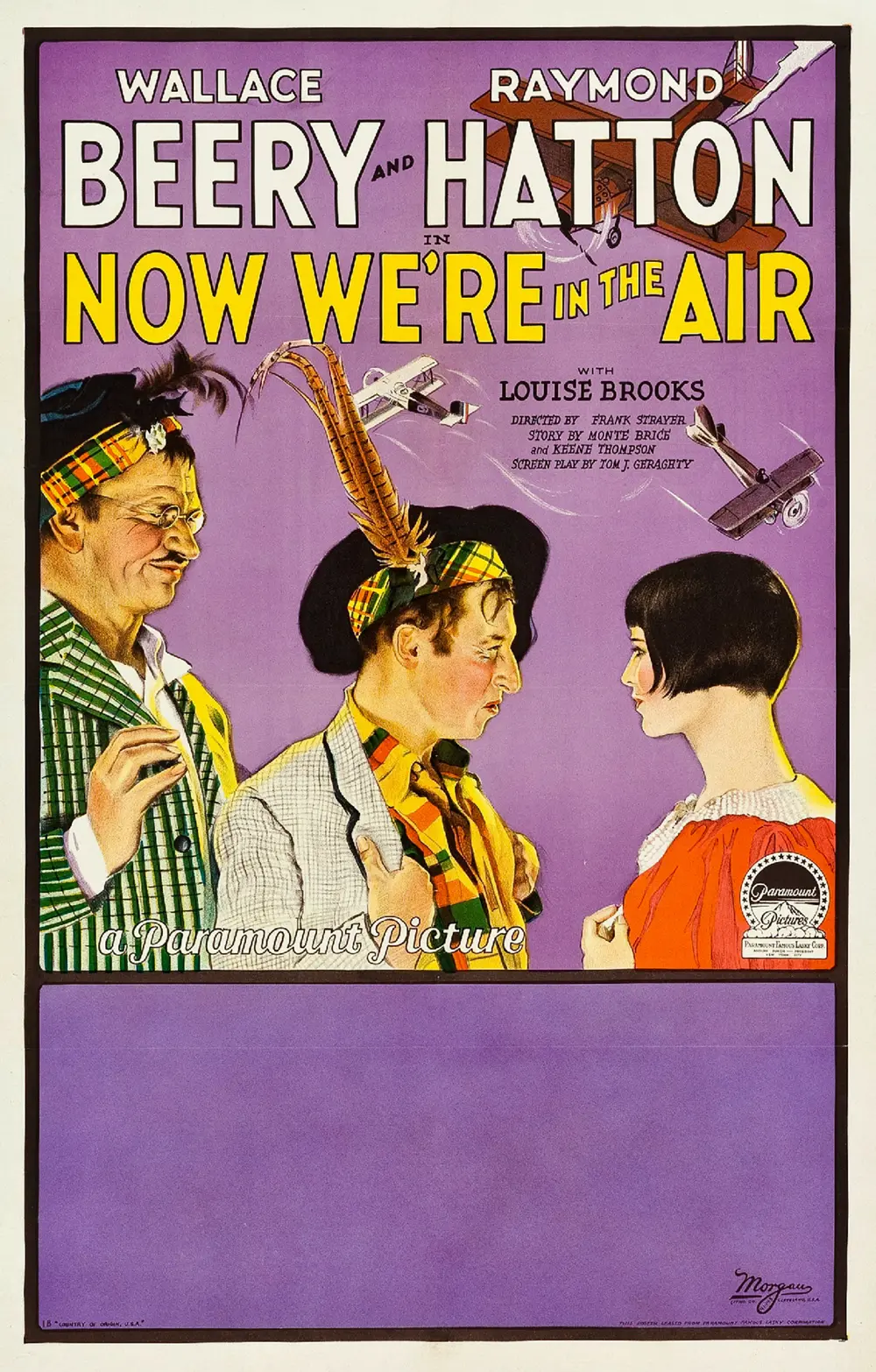
A definitive 6.5/10 rating for a film that redefined the boundaries of cult cinema. Now We're in the Air remains a cornerstone of transgressive art.
Is this film worth watching today? Short answer: Yes, but primarily as a historical curiosity for those obsessed with the evolution of the service comedy. This film is for the silent cinema completist and the Louise Brooks devotee who wants to see her before she became an international icon. It is not for the modern viewer who demands high-tension war drama or a narrative that makes logical sense.
This film works because the physical chemistry between Wallace Beery and Raymond Hatton is a masterclass in the 'big man, little man' dynamic that predates more famous duos. This film fails because the second act relies on a series of repetitive balloon-based gags that feel stretched even for a 1920s audience. You should watch it if you want to see a rare example of Louise Brooks playing a dual role in a high-budget Paramount production.
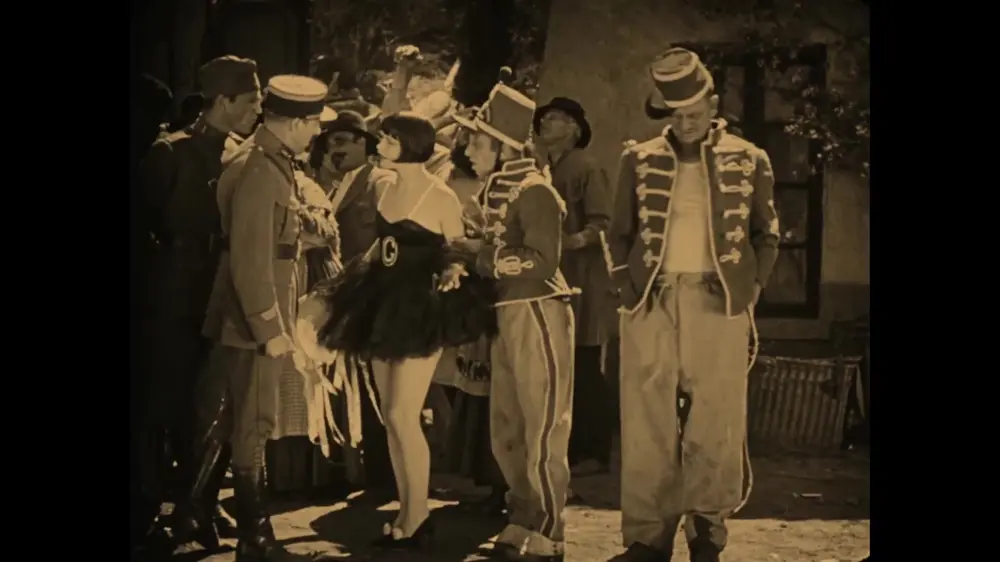
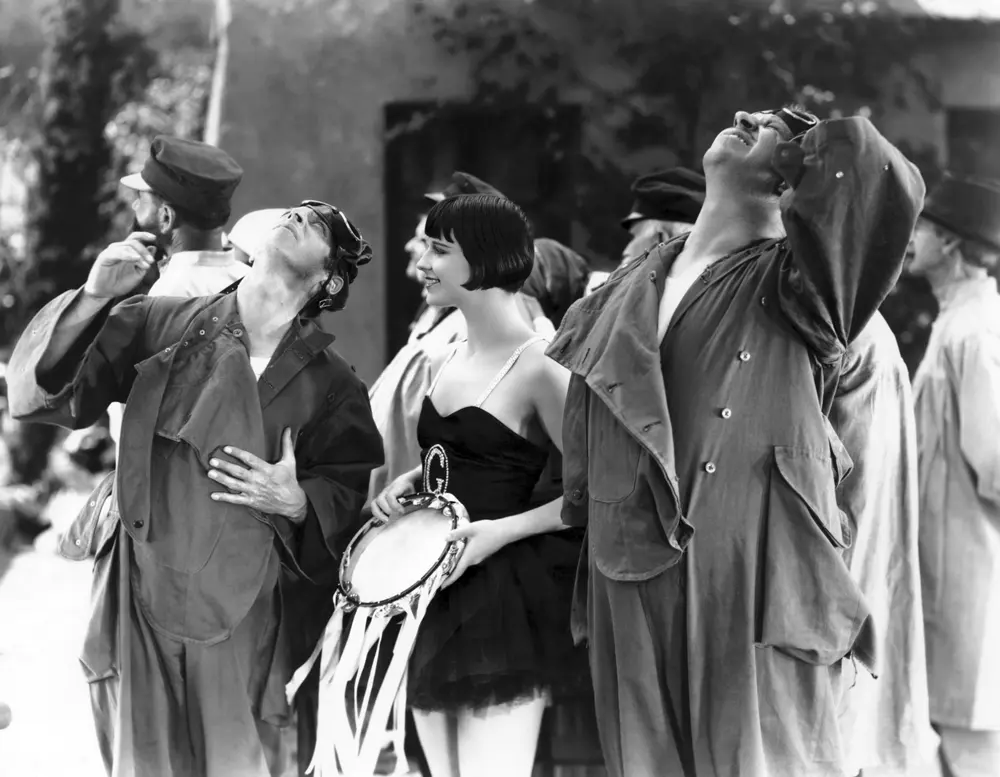
In the landscape of 1920s comedy, Wallace Beery and Raymond Hatton were a formidable force. In Now We're in the Air, they lean heavily into their established personas. Beery is the bumbling, aggressive force of nature, while Hatton is the high-strung, nervous counterpart. Their attempt to claim a Scottish inheritance is merely a thin excuse to get them into uniform, a trope that was incredibly popular following the success of films like The Covered Wagon which showed the commercial viability of large-scale spectacles.
The humor is broad, occasionally crude, and relentlessly physical. One specific moment involves their initial flight training where the sheer terror on Hatton's face contrasts perfectly with Beery's misplaced confidence. It is a simple gag, but it works. Beery’s face looks like a slapped ham, and I mean that as a compliment. His ability to convey total confusion with a single twitch of his brow is what kept audiences coming back during the silent era.
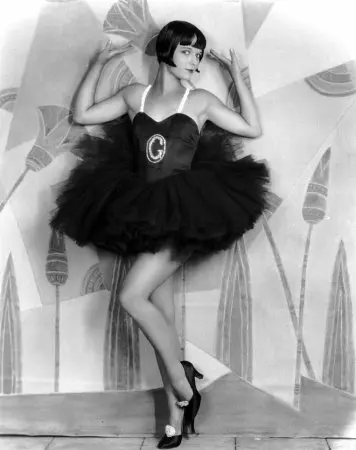
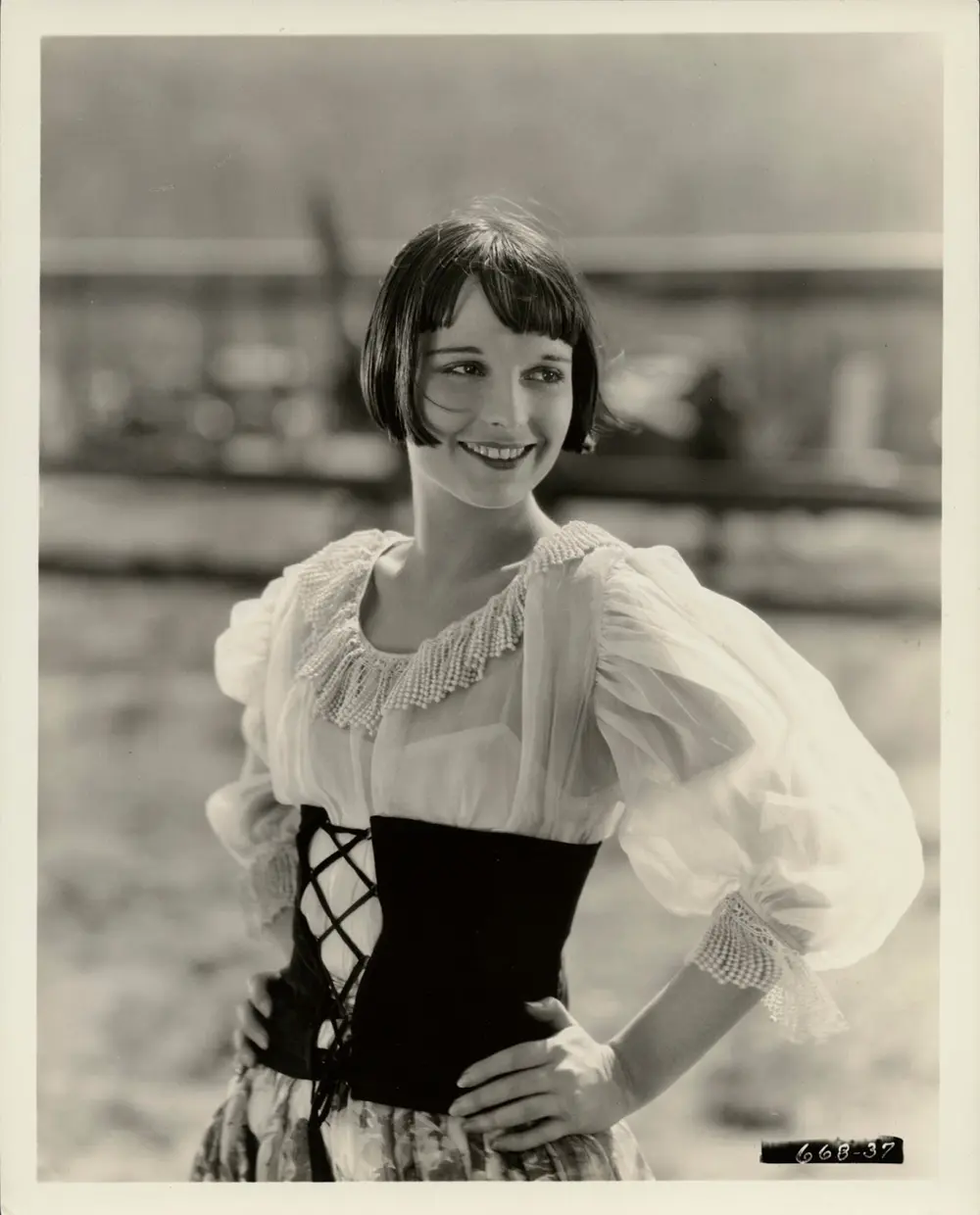
While Beery and Hatton are the top-billed stars, the modern reason to watch this film is Louise Brooks. Playing the twin sisters Griselle and Grisette, Brooks provides a necessary anchor to the absurdity. Even in a comedy this broad, her naturalistic acting style stands out. She doesn't 'over-act' for the back row like many of her contemporaries. She simply exists on screen with a magnetic presence that the camera loves.
There is a specific scene where the cousins encounter her behind enemy lines, and the confusion between the two sisters leads to a classic comedy of errors. Brooks handles the subtle differences between the two characters with more grace than the script probably deserved. It’s an unconventional observation, but Brooks is actually the most grounded thing in a movie about men floating away in balloons. She is the gravity that keeps the film from drifting into total irrelevance.
Short answer: Yes, if you are a film historian. The movie serves as a perfect time capsule of 1927 American sentiment. It treats the Great War not as a trauma, but as a backdrop for hijinks. This was the 'service comedy' at its peak. If you can handle the fact that large portions of the film are considered lost or fragmented, the surviving footage offers a glimpse into a very specific type of entertainment that disappeared with the advent of the Hays Code and the talkies.
For a film made in 1927, the aerial sequences are surprisingly ambitious. The use of real balloons and early flight footage gives the film a sense of scale that CGI simply cannot replicate. When Wally and Ray are drifting over the 'enemy lines,' there is a genuine sense of height and peril. The cinematography captures the vastness of the sky in a way that feels lonely and dangerous, which contrasts sharply with the goofy behavior of the leads.
Compare this to other films of the period like Remodeling Her Husband, and you see the massive budget Paramount was throwing at these star vehicles. The pacing, however, is where the film stumbles. The transition from the inheritance plot to the flying corps feels jarring. It’s almost as if two different scripts were stapled together at the last minute. It works. But it’s flawed.
Pros:
- The chemistry between Beery and Hatton is undeniable.
- High production values for the aerial stunts.
- A rare look at Louise Brooks in a comedic dual role.
- Historical value as a 'service comedy' artifact.

Cons:
- The plot is paper-thin and serves only as a gag delivery system.
- Some of the humor hasn't aged well, particularly the 'Scotch' stereotypes.
- The film is largely lost, with only fragments available for public viewing.
Now We're in the Air is a fascinating relic. It isn't a masterpiece of narrative storytelling, but it is a masterclass in star-driven entertainment. Wallace Beery and Raymond Hatton were the blockbusters of their day, and this film shows exactly why. They didn't need a complex plot; they just needed a balloon and a misunderstanding. While it lacks the emotional depth of something like Christa Hartungen, it makes up for it with sheer, unadulterated energy.
"A chaotic, loud, and frequently hilarious example of how silent cinema used spectacle to bridge the gap between vaudeville and the modern blockbuster."
If you find yourself watching this, pay close attention to the way the camera tracks the balloon. It is a technical feat for 1927. The film is a reminder that even before sound, movies were striving for the 'bigger, faster, louder' mentality that defines Hollywood today. It’s messy. It’s loud (in its own way). But most importantly, it’s a testament to the enduring power of a well-timed double take.
IMDb —
1932
Community
Log in to comment.