Summary
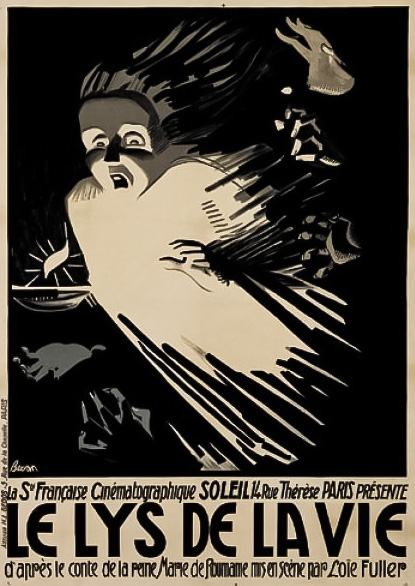
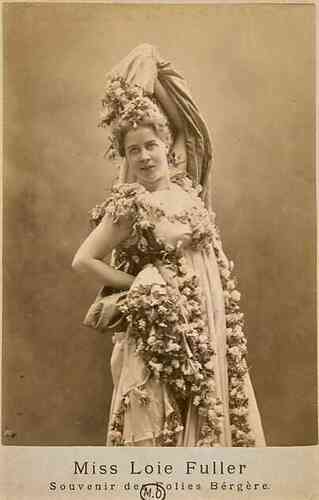
Emerging from the intersection of Symbolist poetry and the nascent French avant-garde, 'Le lys de la vie' operates as a chromatic phantasmagoria, meticulously adapted from the folkloric tapestries woven by Queen Marie of Romania. The narrative follows a prince’s perilous odyssey to retrieve the titular 'Lily of Life,' a botanical panacea required to stave off his father’s impending demise. Far from a conventional quest, the film dissolves linear progression into a series of oneiric tableaux, where the laws of physics are superseded by the kinetic genius of Loïe Fuller. Through the pioneering application of negative printing, slow-motion sequences, and prismatic tinting, the screen becomes a playground for spectral entities and bioluminescent landscapes. The cast, featuring a youthful René Clair before his directorial ascent and the haunting presence of Damia, moves through this ethereal realm with a stylized gravity that mirrors the film's rejection of 19th-century realism. It is a cinematic incantation, a visual poem that prioritizes the texture of light and the fluidity of movement over the rigid dictates of theatrical storytelling, securing its place as a seminal artifact of early experimental cinema.
Review Excerpt
"
The Ethereal Alchemy of the 1920s Avant-Garde
To witness Le lys de la vie is to step into a temporal rift where the boundaries between the physical world and the subconscious dissolve into a haze of silver and shadow. Directed by the legendary dancer Loïe Fuller in collaboration with Gabrielle Sorère, this 1920 production represents a radical departure from the burgeoning commercialism of early French cinema. While contemporary works like Baccarat were navigating the intricacies of social dra..."