DbcultAccessing Vault...
6.1/10
Senior Film Conservator
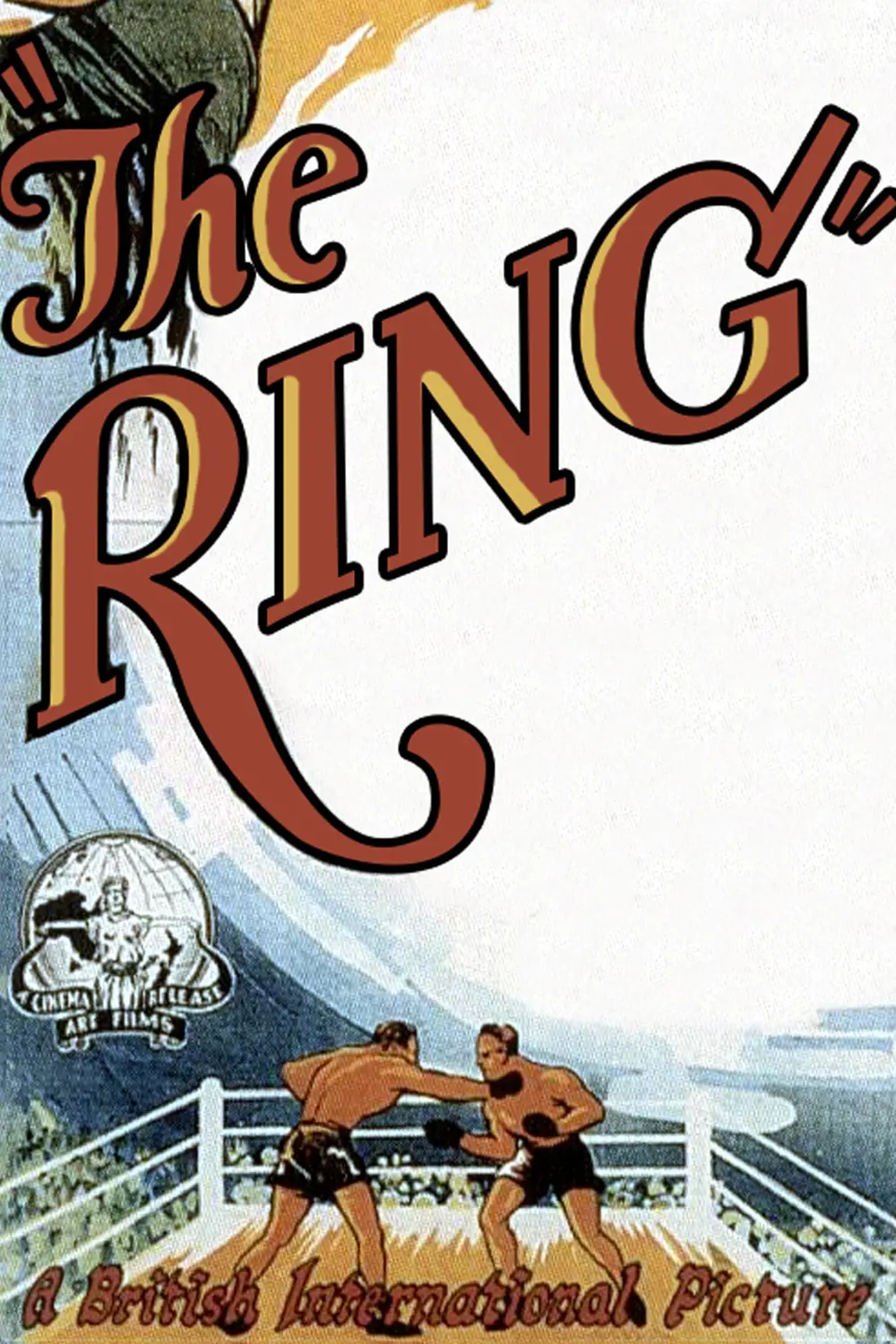
A definitive 6.1/10 rating for a film that redefined the boundaries of cult cinema. The Ring remains a cornerstone of transgressive art.
Is Alfred Hitchcock's silent boxing drama, The Ring, worth your precious viewing time today? The short answer is a resounding yes, particularly if you approach it not as a conventional narrative blockbuster, but as a crucial historical artifact and a testament to the nascent genius of a cinematic titan.
This film is an essential watch for film historians, devout Hitchcock admirers, and anyone fascinated by the raw, expressive power of silent cinema; however, those seeking modern pacing, intricate dialogue, or a strictly feel-good experience will find it a challenging, perhaps even frustrating, endeavor.
Hitchcock's only foray into the boxing genre, The Ring, stands as a fascinating document of his formative years, a silent film that, despite its age and certain narrative simplicities, still manages to land its emotional punches. It’s a film that demands patience but rewards it with glimpses of the director's burgeoning visual prowess and an earnest exploration of human jealousy.
This film works because of its surprisingly effective visual storytelling, its raw emotional core, and its insightful glimpse into working-class life and the brutal world of boxing.
This film fails because its narrative can feel simplistic by modern standards, some performances are uneven, and its pacing occasionally drags, revealing the limitations of early cinematic techniques.
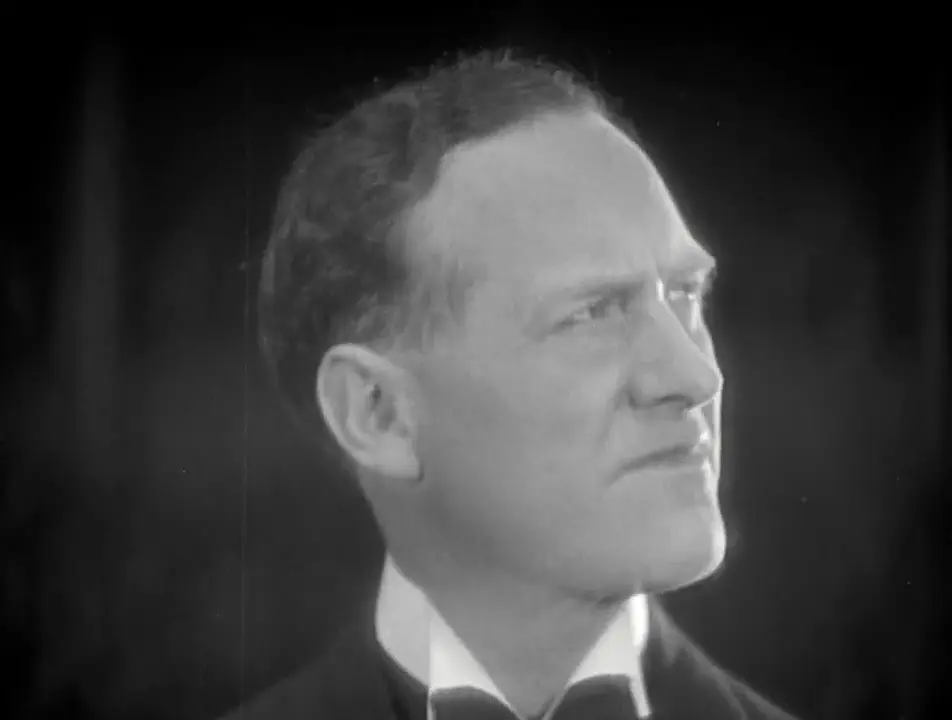
You should watch it if you appreciate the foundational artistry of silent film, want to witness Hitchcock's early directorial prowess, and are willing to engage with a story driven more by visual metaphor than explicit exposition.
The Ring plunges us into the melodramatic world of Jack Sanders (Carl Brisson), a fairground boxer known as 'One Round Jack,' and his girlfriend, Nellie (Lillian Hall-Davis). Their simple, almost idyllic existence is shattered with the arrival of Bob Corby (Ian Hunter), a celebrated professional boxer who quickly captures Nellie's attention.
What ensues is a classic love triangle, elevated by the primal arena of the boxing ring. The film isn't just about fists and glory; it's about possessiveness, ambition, and the corrosive nature of jealousy. It’s a testament to Hitchcock’s early understanding of human psychology, even in a medium without spoken dialogue.
The story’s strength lies in its universality. The struggle for love, the desire for recognition, and the pain of betrayal are timeless themes. Hitchcock, even at this stage, demonstrates a keen eye for crafting scenarios that resonate beyond their immediate context.
The narrative, while straightforward, is punctuated by moments of genuine emotional impact, largely conveyed through the actors' expressions and Hitchcock's astute direction. The stakes, though personal, feel immense, particularly as the film builds towards its inevitable climax in the professional boxing arena.
Even in this relatively early work, Hitchcock’s signature style begins to emerge. His fascination with suspense, even if not of the thriller variety, is palpable in the build-up to the boxing matches. The camera work is surprisingly dynamic for the era, utilizing movement and close-ups to heighten emotional tension.
Consider the fairground sequence that opens the film. The cacophony of the carnival, represented visually through quick cuts and bustling crowds, immediately immerses the viewer. The iconic bell, used to signal rounds in Jack's booth, later becomes a symbolic harbinger of fate, ringing not just for a fight, but for the unraveling of a relationship.
Hitchcock’s use of visual metaphors is particularly striking. The boxing ring itself becomes a multi-faceted symbol: a place of public display, a crucible for personal conflict, and a metaphor for the inescapable 'ring' of commitment and entrapment. The wedding ring, too, carries significant weight, literally and figuratively binding characters in ways they may come to resent.
His cameo, a fleeting glimpse in the fairground crowd, is already a playful nod to his future self-referential style. It's these small, ingenious touches that elevate The Ring beyond a mere sports drama, positioning it as a foundational piece in the development of a directorial legend. While it lacks the intricate plotting of later works like The Affairs of Anatol, its visual economy is impressive.
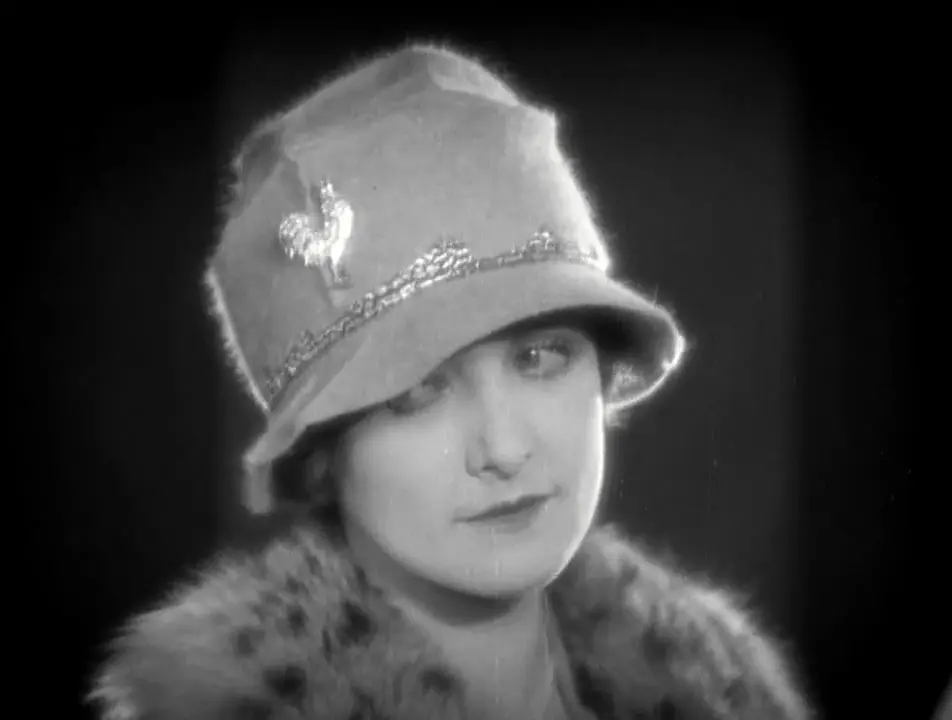
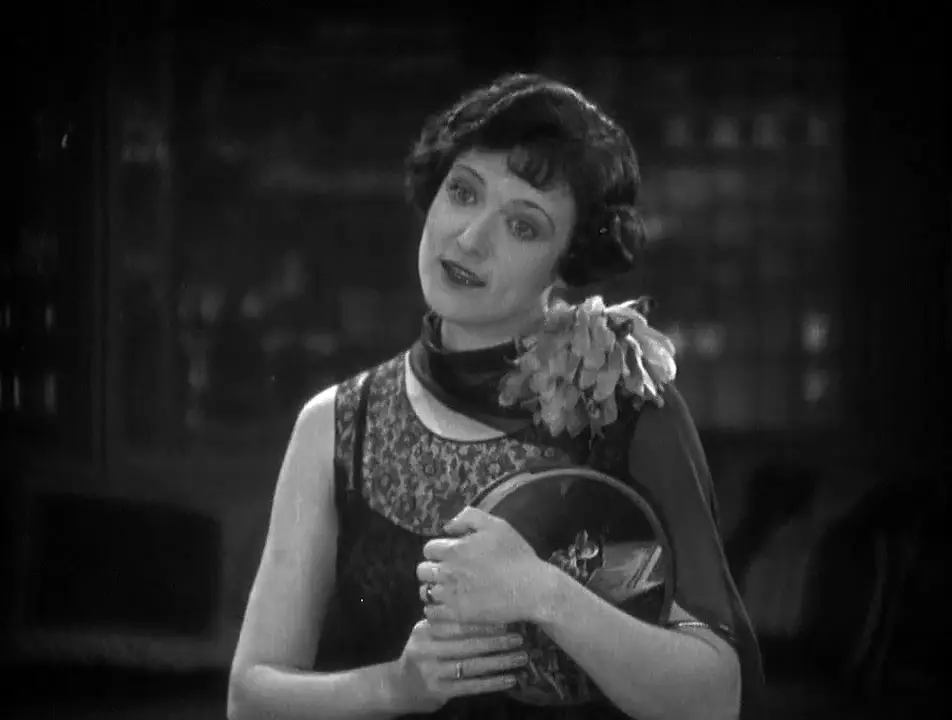
The success of any silent film hinges heavily on the expressive capabilities of its cast, and The Ring is no exception. Lillian Hall-Davis, as Nellie, delivers a performance that oscillates between captivating charm and a frustrating passivity. Her initial spark with Jack is undeniable, but her wavering affections for Bob Corby often make her a less sympathetic figure, which I find to be a surprisingly modern take on a female lead for the period.
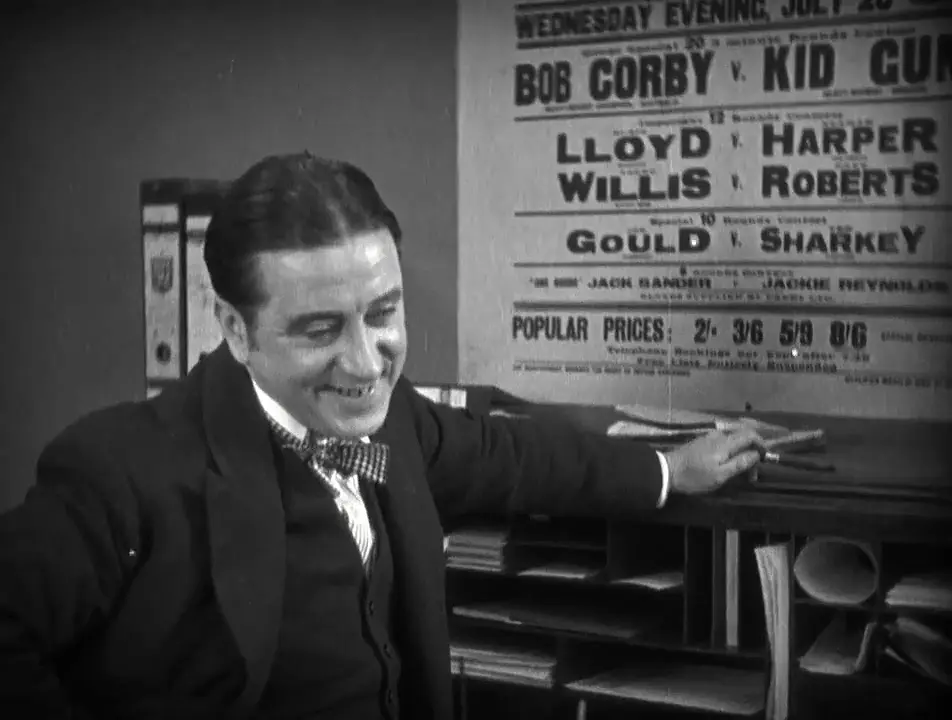
Carl Brisson, as Jack Sanders, embodies the rough-and-tumble fairground boxer with a raw earnestness. His transformation from cocky showman to heartbroken, determined challenger is palpable, particularly in his physical portrayal of despair and resolve. His performance is often the emotional anchor of the film, even when it veers into the overtly theatrical, a common trait in silent era acting.
Ian Hunter's portrayal of Bob Corby is perhaps the most nuanced. He presents Corby not as a mustache-twirling villain, but as a man whose success and charm inadvertently cause chaos. His quiet confidence contrasts sharply with Jack's more boisterous demeanor, setting up a compelling dynamic that fuels the central conflict.
The supporting cast, including Gordon Harker as the trainer, adds texture to the bustling world of boxing. While their roles are largely functional, they contribute to the film’s authentic atmosphere. Bombardier Billy Wells, a real-life boxer, also makes an appearance, lending a layer of gritty realism to the fight sequences that might otherwise feel staged.
The black and white cinematography of The Ring is remarkably effective in establishing mood and atmosphere. The contrast between the bright, chaotic energy of the fairground and the stark, often claustrophobic interiors of the training rooms or dressing rooms is visually striking. Hitchcock uses shadows to great effect, hinting at darker emotions and impending conflict.
Pacing, as with many silent films, can be a point of contention for modern audiences. There are moments where the narrative unfolds with a deliberate slowness, allowing the emotional weight of a scene to settle. However, the film truly accelerates during its boxing sequences, particularly the climactic fight, which is edited with surprising verve and intensity.
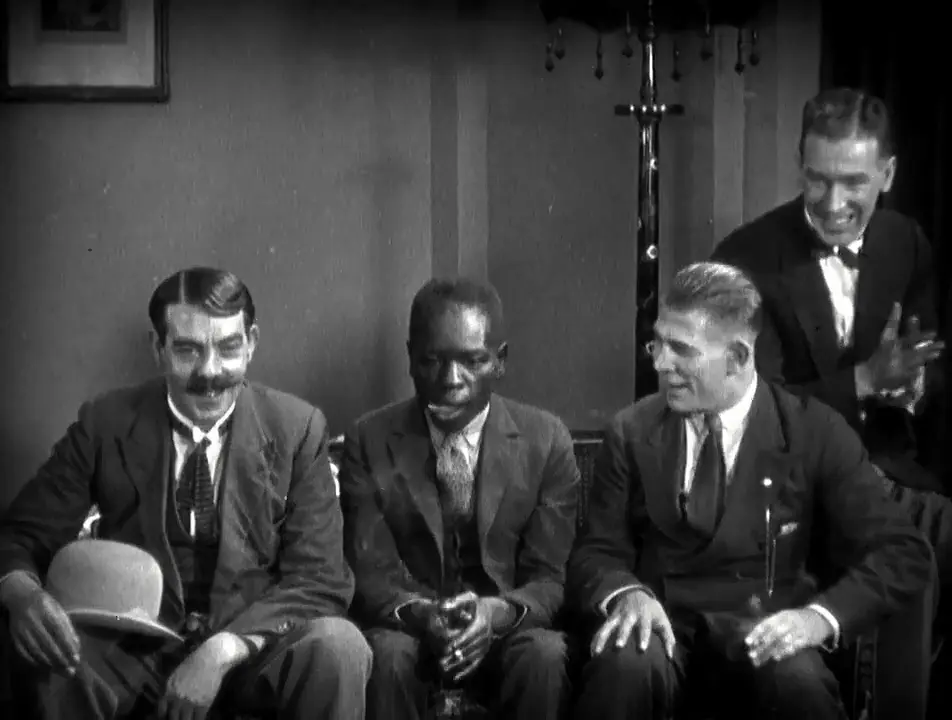
The staging of the final bout is a masterclass in silent action. The camera is not static; it weaves and bobs with the fighters, placing the viewer ringside. The intercutting between the brutal action in the ring and Nellie’s anguished reactions in the audience builds a powerful sense of suspense and emotional investment. This is where Hitchcock truly shines, demonstrating a nascent understanding of how to manipulate audience emotion through visual rhythm.
While not as visually experimental as some of the German Expressionist films of the era, The Ring possesses a robust, functional aesthetic that serves its story well. It’s a practical, yet artistic, approach to filmmaking that prioritizes clarity and emotional impact over overt stylization.
The Ring is, at its heart, a study of desire and its consequences. It deftly explores how ambition can corrupt love and how jealousy can twist even the purest intentions. Jack’s desire for professional recognition is intertwined with his desire to win back Nellie, making the final fight not just a championship bout, but a battle for his very identity and happiness.
The film also touches upon themes of class and social mobility, albeit subtly. Jack’s ascent from fairground attraction to professional contender offers a glimpse into the working-class aspirations of the time. The contrast between his humble beginnings and Bob Corby's more established status adds another layer of tension to their rivalry.
Perhaps the most compelling theme is the nature of spectacle and performance. Both boxing and romance, in this film, are public performances. The crowd's cheers, the flashes of the photographers – everything contributes to a sense that these deeply personal struggles are being played out for an audience, blurring the lines between private emotion and public display. It’s not truly a boxing film; it's a relationship drama using boxing as its volatile stage.
Absolutely, yes. For anyone interested in the evolution of cinema or the work of Alfred Hitchcock, this film is indispensable.
It showcases early cinematic techniques and storytelling methods.
It offers a unique perspective on a classic love triangle.
It demonstrates Hitchcock's burgeoning talent for visual storytelling and suspense.
It works. But it’s flawed.
Alfred Hitchcock's The Ring is far more than a historical curiosity; it is a vital piece of the cinematic puzzle, showcasing a master director in his formative years. While it may not possess the sophisticated psychological depth or the technical polish of his later, more renowned thrillers, it compensates with raw emotional power and a palpable sense of burgeoning genius. It’s a film that demands an appreciation for the artistry of silent cinema and a willingness to engage with its particular rhythms. For those who meet it on its own terms, The Ring offers a compelling, if occasionally uneven, experience that echoes the timeless struggles of love, ambition, and betrayal. It’s a testament to the fact that even without words, Hitchcock could tell a profoundly human story, and for that alone, it deserves to be seen.
IMDb 6.2
1925
Community
Log in to comment.