United States
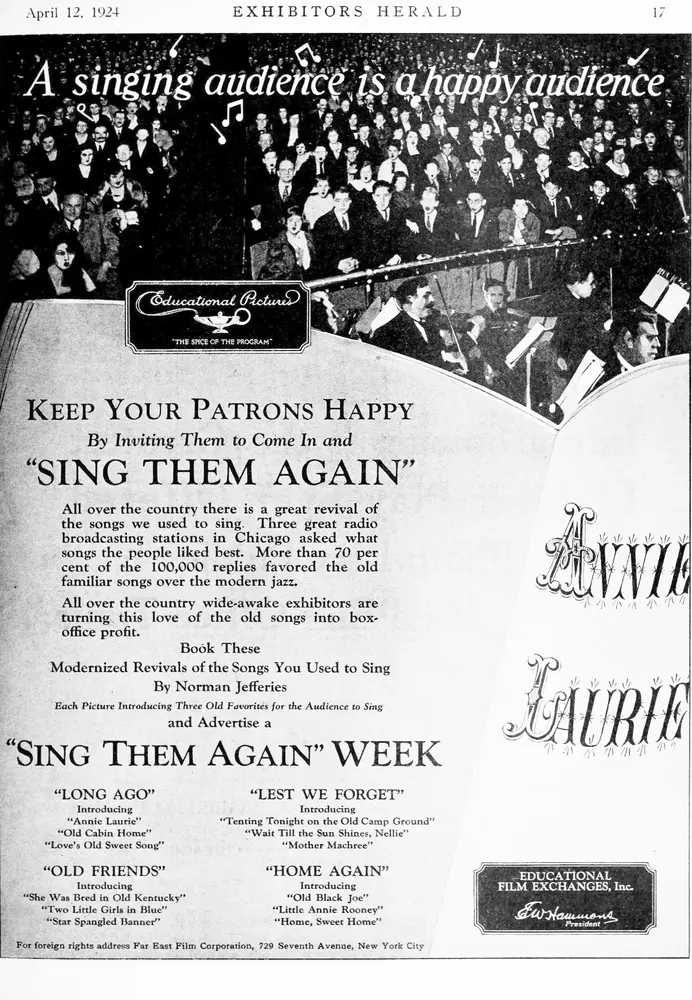
Anya Sharma’s latest cinematic offering, Long Ago, is less a film and more a profound, melancholic meditation on the ephemeral nature of memory and the enduring ache of unresolved grief. From its opening frames, the picture establishes an atmospheric density that is both suffocating and strangely inviting, drawing...

Comparing the cinematic DNA and archive impact of two defining moments in cult history.
Unknown Director

Unknown Director
Community
Log in to comment.
" Anya Sharma’s latest cinematic offering, Long Ago, is less a film and more a profound, melancholic meditation on the ephemeral nature of memory and the enduring ache of unresolved grief. From its opening frames, the picture establishes an atmospheric density that is both suffocating and strangely inviting, drawing the viewer into the fractured psyche of its protagonist, Elias, portrayed with a breathtaking, understated intensity by Milo Thorne. Thorne inhabits Elias not merely as a characte..."