Summary
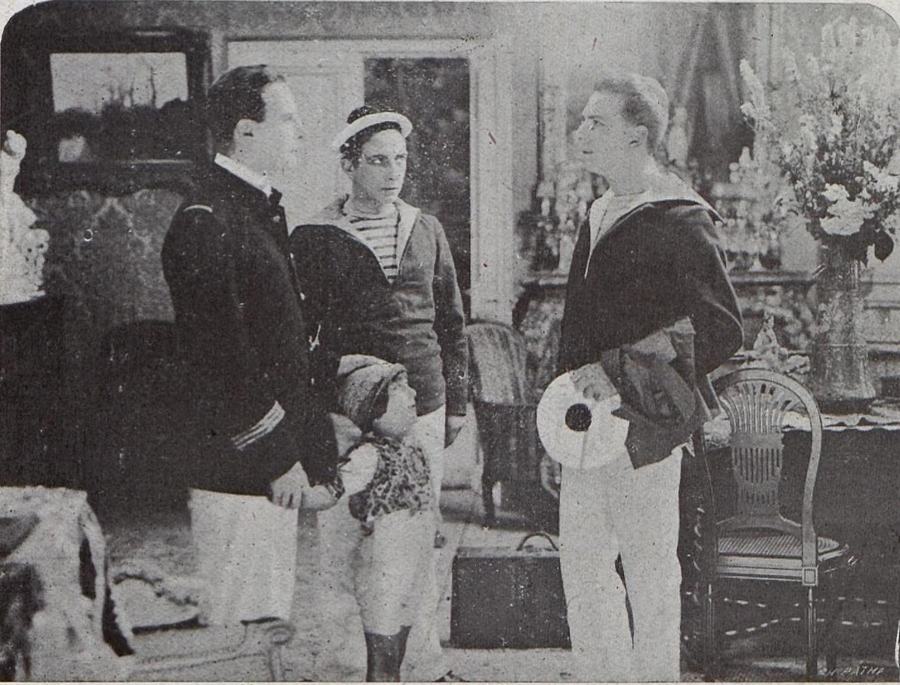
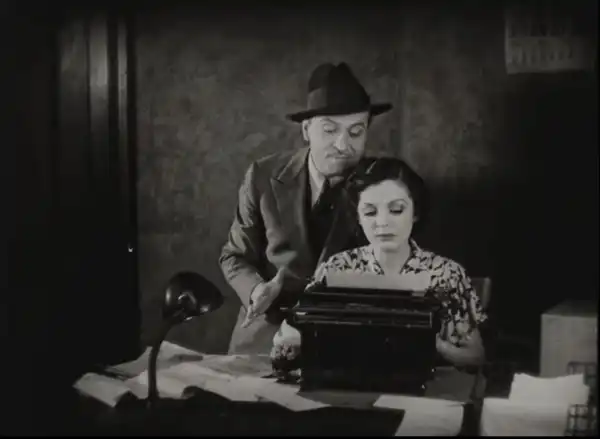
In the opulent yet rigidly constrained milieu of Belle Époque Paris, Élise, a woman of profound ambition and magnetic allure, navigates the treacherous currents of societal expectation and personal yearning. Driven by an incandescent desire for a life beyond her modest origins—a realm of intellectual stimulation and influential power—she strategically aligns herself with Monsieur Armand Dubois, an industrial magnate whose wealth and status promise the very access she covets, albeit at the cost of genuine emotional connection. Yet, her heart remains inextricably drawn to Henri, a fervent, impecunious sculptor whose artistic passion and idealistic spirit offer a stark, compelling alternative to her gilded existence. This clandestine attachment provides Élise a vital, if dangerous, conduit to authentic affection, contrasting sharply with the sterile grandeur of her marital obligations. As Dubois's formidable empire teeters on the brink of financial collapse, Élise finds herself ensnared in a perilous web of intrigue, her vulnerability exploited by a ruthless financier, a rival of her husband, who offers a Faustian bargain: salvation for Dubois's fortune in exchange for Élise's influence, or perhaps something more intimately compromising. The narrative crescendos toward a climactic confrontation, forcing Élise to grapple with an agonizing dilemma—to uphold her societal standing and her husband's legacy through moral sacrifice, or to defy convention, embrace an uncertain future with Henri, and risk absolute ruin for all. The film culminates in a poignant, irreversible choice, a decision that indelibly shapes her destiny and compels a profound re-evaluation of the true cost of desire and the elusive pursuit of happiness.
Review Excerpt
"
Stepping back into the nascent years of cinematic artistry, particularly to a piece like Lorsqu'une femme veut from 1918, is akin to unearthing a forgotten diary from a pivotal historical moment. This French silent drama, a profound exploration penned by Octave Pradels, offers more than just a glimpse into early filmmaking; it presents a mirror reflecting the societal mores, personal ambitions, and emotional complexities of its era, all through the lens of a compelling female prota..."