DbcultAccessing Vault...
Cult Review
Senior Film Conservator
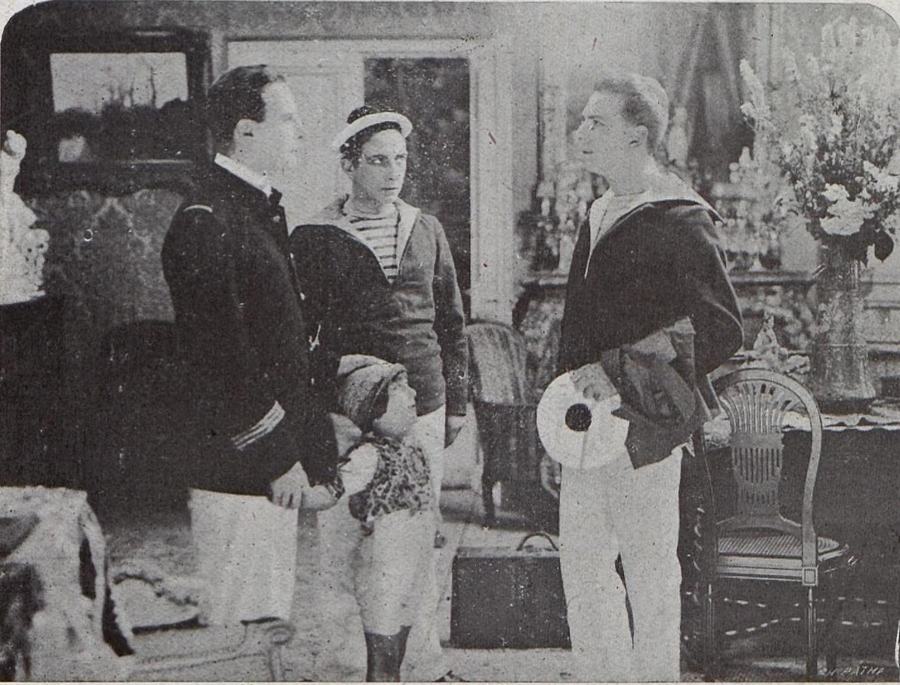
Stepping back into the nascent years of cinematic artistry, particularly to a piece like Lorsqu'une femme veut from 1918, is akin to unearthing a forgotten diary from a pivotal historical moment. This French silent drama, a profound exploration penned by Octave Pradels, offers more than just a glimpse into early filmmaking; it presents a mirror reflecting the societal mores, personal ambitions, and emotional complexities of its era, all through the lens of a compelling female protagonist. The very title, 'When a Woman Wants,' is a declaration in itself, promising a narrative steeped in agency and determination, a theme that, even a century later, resonates with striking contemporary relevance. It's a testament to the enduring power of human desire, painted with the broad, expressive strokes characteristic of the silent screen, yet imbued with a subtlety that belies the apparent simplicity of its medium.
The film introduces us to Élise, a character of extraordinary depth, portrayed with an arresting intensity by Simone Frévalles. Élise is not merely a woman; she is an embodiment of aspiration, a force of nature constrained by the rigid social architecture of Belle Époque Paris. Her origins are humble, yet her spirit yearns for a life of profound intellectual engagement, influence, and undeniable opulence – a world far removed from the one fate initially assigned her. Frévalles, through a masterful command of gesture, expression, and posture, articulates Élise's internal struggle with a clarity that transcends the absence of spoken dialogue. Every glance, every subtle shift in her shoulders, communicates volumes about the incandescent ambition that burns within her, a desire so potent it threatens to consume her entirely. It is this formidable ambition that propels her into the orbit of Monsieur Armand Dubois, a powerful industrialist, older, emotionally distant, yet possessing the very keys to the societal kingdom Élise so desperately craves. Their union is a pragmatic alliance, a transaction where genuine affection is exchanged for a gilded cage, a stepping stone to the power and prestige she believes will fulfill her.
However, the heart, as this film so poignantly illustrates, often operates on a different ledger. Élise's soul remains tethered to Henri, a passionate, struggling sculptor, brought to life by the nuanced performance of Jean Worms. Worms imbues Henri with an idealism and artistic fervor that stands in stark contrast to Dubois's austere pragmatism. Their clandestine meetings are not mere dalliances; they are vital conduits for Élise, offering her glimpses of a life where love, intellectual companionship, and authentic connection flourish. These stolen moments become a sanctuary, a vibrant counterpoint to the sterile grandeur of her marital existence, highlighting the profound schism between her material aspirations and the yearning of her spirit. The visual language of these scenes, often bathed in softer light or framed with greater intimacy, subtly underscores the emotional truth of their connection, a silent rebellion against the societal expectations that bind Élise.
The narrative gains considerable traction as Monsieur Dubois's formidable business empire faces an unforeseen and precarious financial crisis. This external pressure acts as a catalyst, forcing Élise into an even more precarious position. She finds herself ensnared in a complex web of deceit and moral compromise, her vulnerability ruthlessly exploited by a rival financier. This antagonist, a shadowy figure of avarice and manipulation, offers a chilling bargain: the salvation of her husband's fortune in exchange for Élise's influence, or, more sinisterly, something far more personal and compromising. The tension here is palpable, a slow-burning fuse that threatens to detonate Élise's carefully constructed world. The film masterfully builds this suspense, relying on close-ups of Frévalles's tormented expressions and the menacing presence of the financier to convey the gravity of her predicament. One cannot help but draw parallels to the moral quandaries faced by protagonists in other dramas of the era, such as the desperate choices in The Mother Who Paid or the ethical dilemmas explored in Grim Justice, where characters are pushed to their absolute limits by external forces and internal conflicts.
The dramatic apex of Lorsqu'une femme veut unfolds during a grand, extravagant ball—a setting often utilized in silent cinema to showcase both splendor and underlying tension. Here, amidst the swirling gowns and glittering chandeliers, the undercurrents of betrayal, desire, and desperation reach a fever pitch. Élise's internal conflict becomes almost visibly manifest, her elegant facade barely concealing the profound torment within. Frévalles's performance in these scenes is a tour de force, a delicate dance between maintaining composure and betraying the raw emotion beneath. The camera often lingers on her face, capturing the subtle tremors of her lips, the fleeting shadows in her eyes, conveying a universe of unspoken agony. This pivotal event forces Élise to confront an agonizing dilemma: does she protect her husband's reputation and her own precarious societal standing by sacrificing her integrity, or does she defy convention, embrace an uncertain life of passion with Henri, and risk absolute ruin for all involved? It’s a choice that reverberates with the weight of destiny, a decision that will indelibly mark her future and challenge the very essence of what a woman truly desires, and what she is ultimately willing to pay for it.
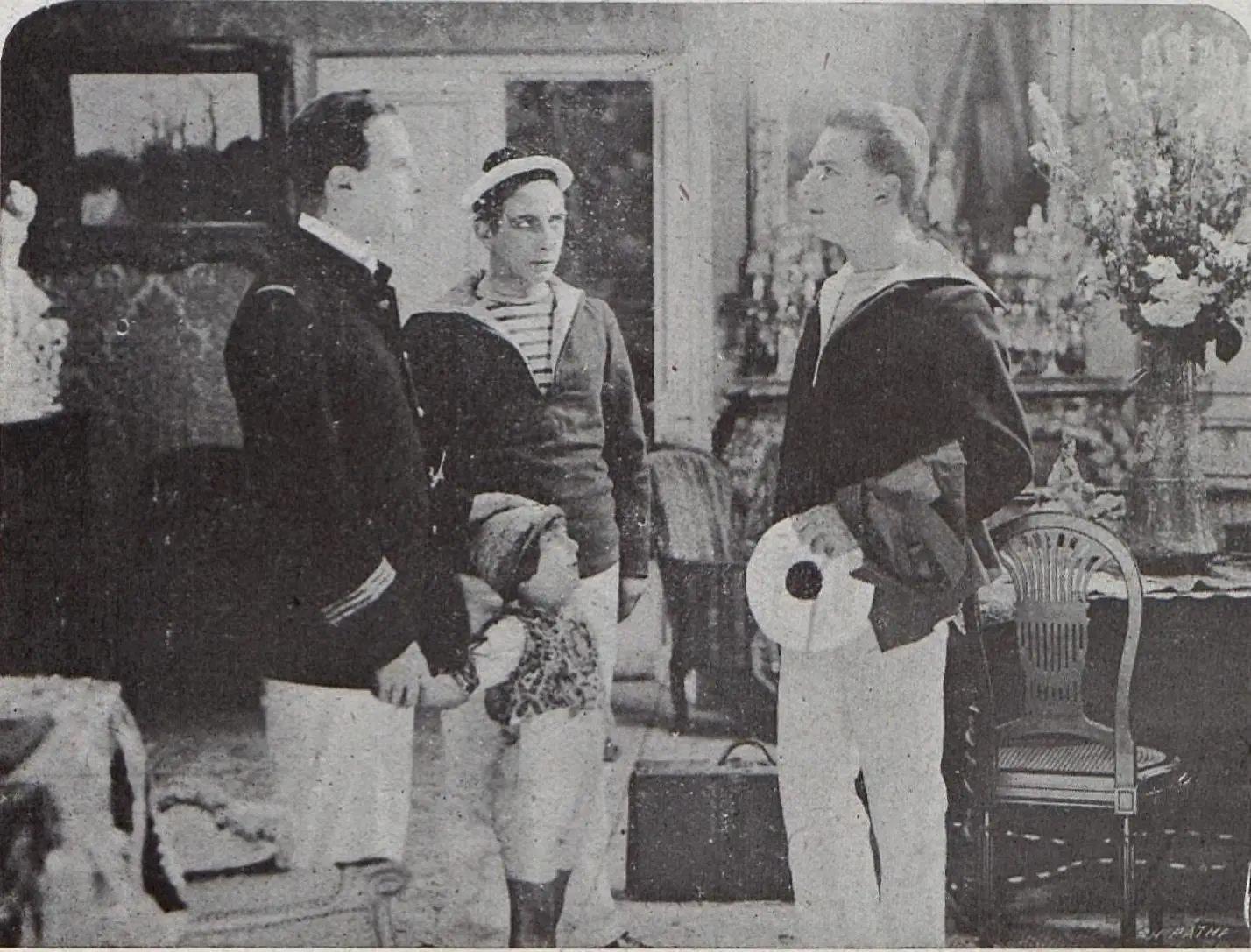
Octave Pradels, as the writer, demonstrates a profound understanding of human psychology, crafting a narrative that, despite its period setting, feels remarkably timeless in its exploration of ambition, love, and sacrifice. While the specifics of direction are not explicitly detailed, the coherent visual storytelling and emotional arc suggest a strong authorial vision guiding the cinematic execution. The film’s pacing is deliberate, allowing the emotional beats to register fully, a common but effective technique in silent cinema where visual storytelling bore the entire weight of narrative progression. The use of intertitles, while sparse, is impactful, providing crucial insights into character thoughts and plot developments without disrupting the flow of the visual drama. This economy of text, coupled with powerful imagery, is a hallmark of the era's best works, reminiscent of the narrative precision seen in films like Hoffmanns Erzählungen, where visual spectacle and narrative clarity coalesce.
The performances by Simone Frévalles and Jean Worms are the very bedrock upon which this film stands. Frévalles, in particular, delivers a performance that transcends the limitations of the silent medium. Her Élise is not merely a tragic figure; she is a woman of agency, intelligence, and deeply conflicted emotions. The subtle nuances in her portrayal—the flicker of hope in her eyes during a clandestine meeting with Henri, the stoic resolve in the face of her husband’s demands, the anguish etched on her face during the ball—are masterclasses in non-verbal communication. Her ability to convey such a rich inner life without uttering a single word is truly remarkable, placing her among the finest silent film actresses. Worms, as Henri, provides the perfect counterpoint, embodying the passionate, almost naive idealism that Élise finds so captivating. Their chemistry, conveyed through longing gazes and tender gestures, is believable and deeply moving, making Élise's impossible choice all the more heartbreaking. The supporting cast, though perhaps less prominent, effectively contributes to the film’s rich tapestry, each character serving a specific narrative function, whether it be the imposing presence of Dubois or the insidious cunning of the rival financier.
Cinematically, Lorsqu'une femme veut showcases the evolving techniques of early 20th-century filmmaking. While perhaps not as overtly experimental as some of its contemporaries, it utilizes close-ups to great effect, drawing the audience into the characters' emotional landscapes. The compositions are often elegant, reflecting the period's artistic sensibilities, with a keen eye for framing and depth that adds visual richness. The use of light and shadow, a fundamental tool in silent cinema, is employed to heighten dramatic tension and underscore emotional states, for instance, casting Élise in shadow when she is at her most conflicted, or illuminating her face fully when she experiences moments of genuine joy or sorrow. This nuanced approach to visual storytelling ensures that the film remains engaging, even for modern audiences accustomed to more dynamic camera work and sound. One could compare its visual storytelling elegance to films like The Waxen Doll or even the dramatic staging of Mazeppa, der Volksheld der Ukraine, which, while different in genre, also relied heavily on striking visuals to convey narrative weight.
Thematically, the film delves deep into the complexities of female agency within a patriarchal society. Élise's desire is not simply for love or wealth, but for self-determination, for the right to choose her own path, even if that path is fraught with peril. This makes her a remarkably modern character for her time, challenging the conventional roles prescribed to women. The conflict between love and ambition, passion and practicality, is explored with a sophistication that avoids easy answers. There is no clear villain or hero in the traditional sense; rather, characters are products of their circumstances, driven by desires that are both understandable and, at times, tragically misguided. This nuanced portrayal of morality and motivation elevates the film beyond a simple melodrama, inviting viewers to ponder the enduring human struggle between individual yearning and societal expectation. Think of the similar explorations of female choice and constraint found in Pettigrew's Girl or the societal pressures depicted in A Lady's Name, both of which tackled the delicate balance of reputation and personal freedom.
The ending of Lorsqu'une femme veut is not one of simple resolution or saccharine happiness. Instead, it offers a profound, almost melancholic meditation on the enduring consequences of ambition and the elusive nature of true contentment. Élise’s ultimate decision, while perhaps tragic, is undeniably hers, a testament to the film's central theme of a woman's unwavering will. The final scenes linger, leaving the audience to ponder the weight of her choices and the indelible mark they leave on her destiny. It's a conclusion that respects the complexities of life, refusing to offer a neat, tidy package, much like the more somber or thought-provoking finales of films such as Seeds of Dishonor or Breakers Ahead, which also explored the irreversible nature of certain life paths.
In conclusion, Lorsqu'une femme veut is far more than a historical curiosity; it is a powerful, emotionally resonant drama that speaks volumes about the human condition. Its exploration of desire, ambition, sacrifice, and the relentless pursuit of happiness remains deeply compelling. Simone Frévalles’s tour-de-force performance, coupled with Octave Pradels’s astute writing, ensures that Élise’s story transcends the limitations of its silent format, offering a profound commentary on female agency and the intricate dance between societal expectation and personal yearning. For aficionados of classic cinema, or indeed anyone interested in the enduring power of human drama, this film is an essential, enriching experience. It reminds us that the fundamental struggles of the heart and mind are timeless, echoing across generations and cinematic eras. Films like Old Dutch or Vater und Sohn, while perhaps different in their specific narratives, share this common thread of exploring deeply human, universal themes through the evolving language of film. The legacy of Lorsqu'une femme veut lies not just in its historical significance, but in its continued ability to provoke thought and stir the emotions, proving that some stories, when told with such artistry and conviction, truly are eternal. It's a quiet triumph, a film that, like Élise herself, demands to be remembered and understood on its own powerful terms.
IMDb 7.8
1927
Community
Log in to comment.