DbcultAccessing Vault...
7.1/10
Senior Film Conservator
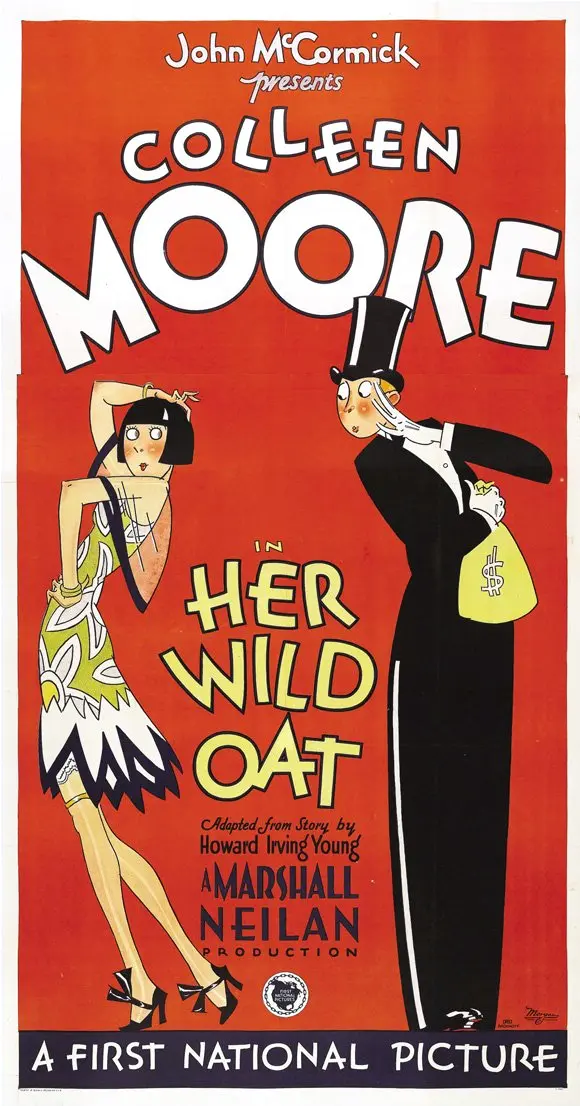
A definitive 7.1/10 rating for a film that redefined the boundaries of cult cinema. Her Wild Oat remains a cornerstone of transgressive art.
Is 'Her Wild Oat' worth watching today? Short answer: yes, if you approach it with the right expectations, but it’s certainly not for everyone. This 1928 silent comedy offers a fascinating window into the social anxieties and star power of its era, making it a valuable historical artifact as much as an enjoyable film.
This film is tailor-made for enthusiasts of silent cinema, particularly those with an appreciation for Colleen Moore's unique charm and the nuanced social commentary prevalent in pre-Code Hollywood. However, if you're accustomed to fast-paced narratives, complex plots, or strictly modern sensibilities, you might find its rhythms challenging. It demands patience, but the rewards for the discerning viewer are considerable.
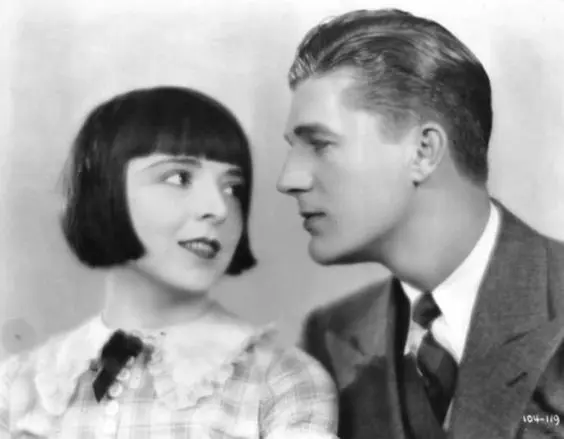
'Her Wild Oat' is more than just a quaint silent film; it's a testament to the enduring power of a compelling star and a simple, resonant theme. Directed by Marshall Neilan, this 1928 feature showcases Colleen Moore at the height of her popularity, delivering a performance that is both effervescent and subtly poignant. The narrative itself, while straightforward, touches upon universal themes of social aspiration, class prejudice, and the often-harsh realities of trying to 'fit in' where you're not wanted.
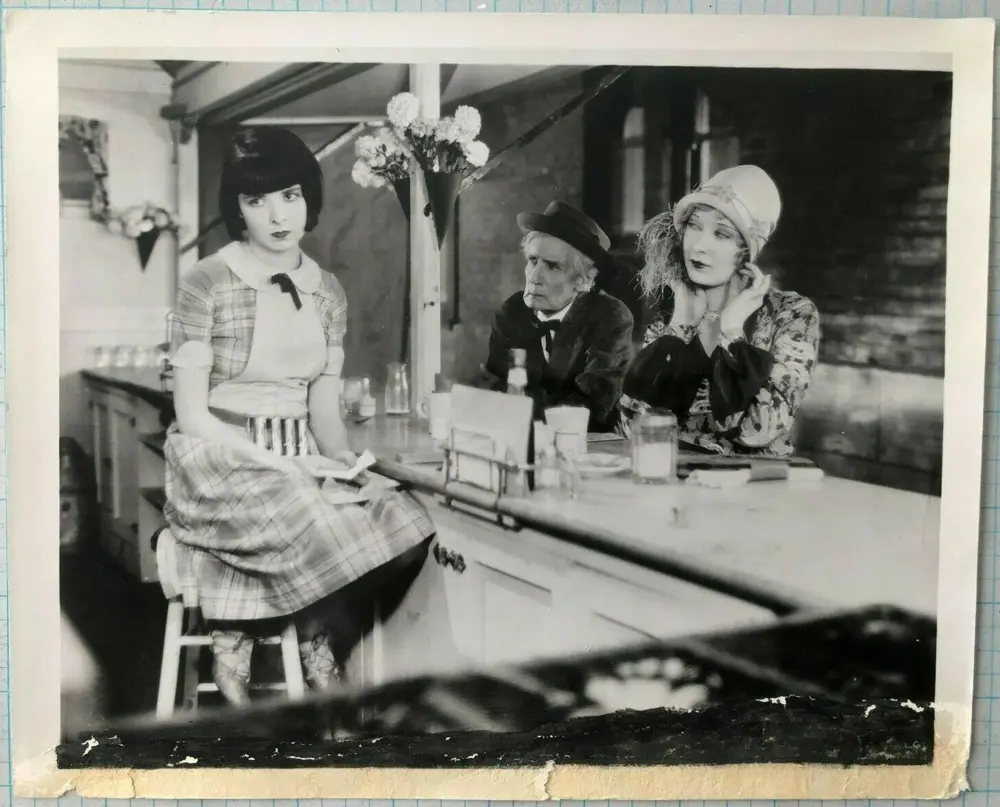
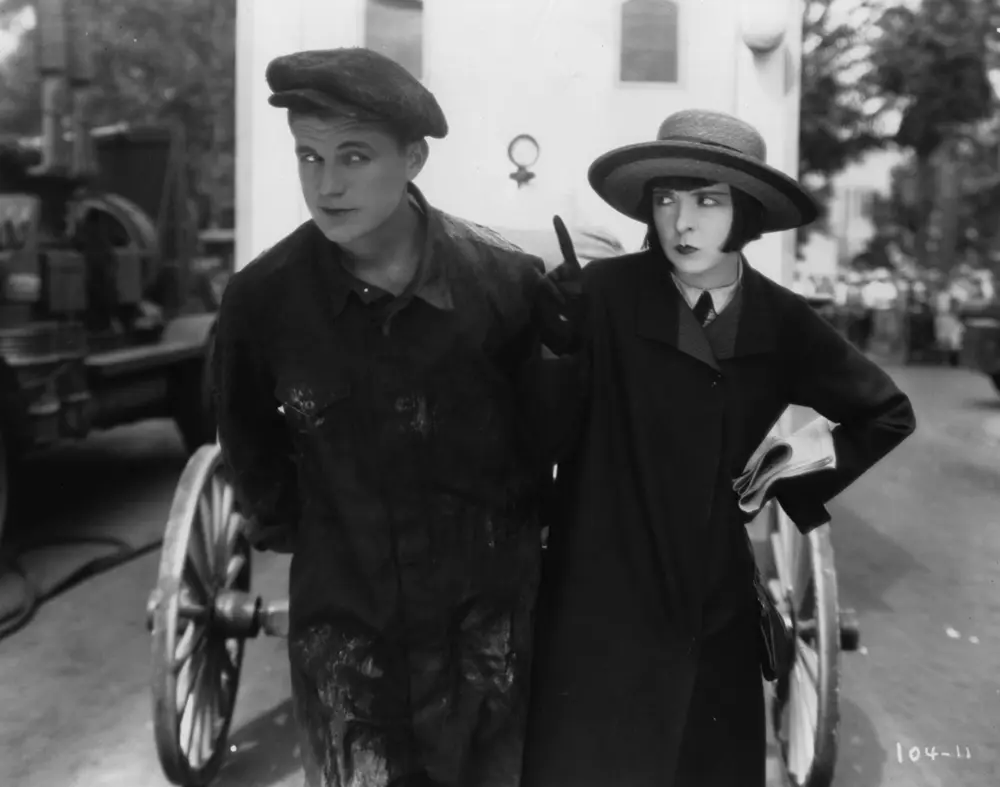
Moore plays Mary Lou Smith, a hardworking food wagon owner who dreams of a taste of the high life. Her decision to spend her life savings on a luxurious vacation among the wealthy elite is, in itself, a bold statement. It’s a move that mirrors the aspirations of many in the booming post-WWI era, a period of unprecedented economic growth and social change in America. The film captures this zeitgeist with remarkable clarity, even without spoken dialogue.
The initial scenes, depicting Mary Lou's diligent work ethic and her humble surroundings, are crucial. They establish her as an earnest, relatable protagonist, making her subsequent mistreatment at the hands of the entitled vacationers all the more galling. There’s a palpable sense of injustice as she navigates a world designed to exclude her, a world where her honest labor is seen as a mark of inferiority rather than admirable dedication.
Marshall Neilan’s direction is competent, if not groundbreaking. He understands how to frame Moore to maximize her screen presence, often employing close-ups that allow her expressive face to convey a wealth of emotion. The camera lingers on her reactions to the snubs and slights, inviting the audience to empathize deeply with her plight. This directorial choice is vital in a silent film, where visual storytelling must compensate for the absence of spoken words.
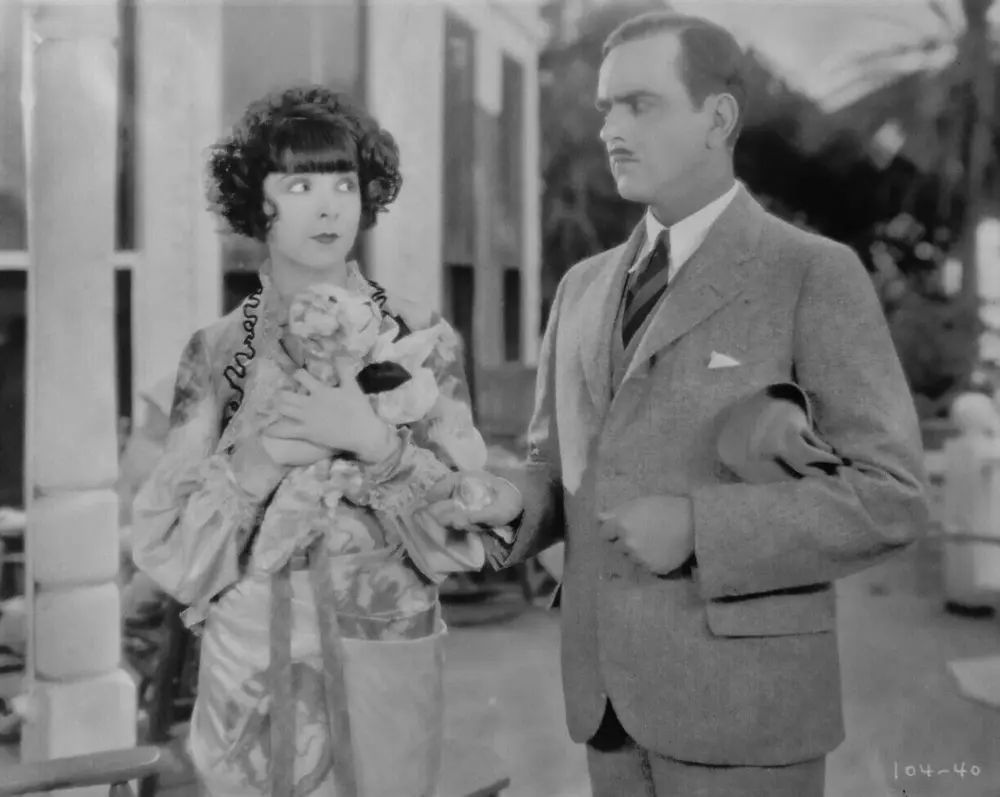
Colleen Moore’s performance as Mary Lou Smith is, without question, the film’s greatest asset. She embodies the 'flapper' archetype with a refreshing blend of innocence and tenacity. Unlike some of her contemporaries who could veer into caricature, Moore brings a grounded realism to her character, even amidst the theatricality of silent film acting. Her Mary Lou is determined but never bitter, hopeful but not naive.
Consider the scene where Mary Lou first arrives at the opulent resort. Moore's posture, initially confident, slowly deflates as she encounters one cold shoulder after another. Her eyes, wide with initial wonder, gradually cloud with hurt and confusion. It's a masterclass in non-verbal communication, painting a vivid picture of social alienation without a single intertitle needed to explain her feelings.
Her interaction with the reporter friend, played by Larry Kent, is another highlight. Their chemistry is subtle but effective, built on shared glances and a mutual understanding of the social dynamics at play. Kent’s character serves as the audience’s proxy, recognizing Mary Lou’s inherent worth despite the superficial judgments of others. This dynamic provides a much-needed counterpoint to the pervasive snobbery.
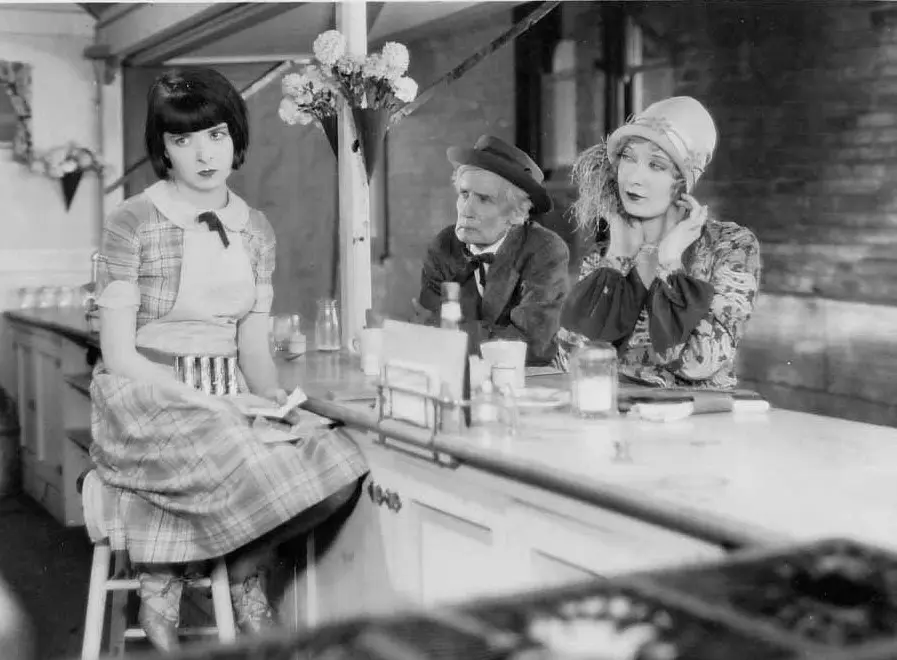
Moore's ability to convey complex emotions through facial expressions and body language is simply captivating. She carries the entire film on her slender shoulders, ensuring that Mary Lou remains a character worth rooting for, even when the plot occasionally stumbles. This is where the film truly shines; its star power is undeniable.
The film's exploration of class distinction is perhaps its most enduring theme. 'Her Wild Oat' critiques the superficiality and elitism that often accompanied wealth during the Roaring Twenties. The 'rich and famous' guests are depicted as uniformly haughty, self-absorbed, and utterly devoid of genuine compassion. This portrayal, while perhaps a touch one-dimensional, serves its purpose in highlighting Mary Lou’s intrinsic goodness.
The writers, Howard Irving Young, George Marion Jr., and Gerald C. Duffy, craft a narrative that, despite its comedic leanings, offers a surprisingly sharp commentary on the arbitrary nature of social status. Mary Lou, with her honest earnings and kind heart, is fundamentally more 'decent' than those who look down on her. This moral inversion is a staple of many silent-era dramas, but 'Her Wild Oat' executes it with a light touch.
One particularly effective moment involves a series of quick cuts showing the guests turning their backs on Mary Lou, or pointedly ignoring her attempts at conversation. This visual shorthand powerfully communicates her isolation and the collective disdain she faces. It’s a simple technique, but highly effective in eliciting audience sympathy.
However, the satire never truly bites as hard as it could. The resolution, while satisfying, feels a little too neat, a little too easily achieved. The villains receive their comeuppance, but the underlying systemic issues of class prejudice are not deeply explored, which is understandable for a light comedy of the era, but also a missed opportunity for a truly incisive critique. Films like The Illustrious Prince, while a different genre, sometimes managed to weave more complex social observations into their narratives.
The pacing of 'Her Wild Oat' will undoubtedly be the biggest hurdle for contemporary viewers. Silent films often operated at a different rhythm, allowing scenes to unfold with a leisurely grace that can feel ponderous today. There are moments where the narrative momentum flags, particularly in the middle act, as Mary Lou endures a series of similar indignities.
The cinematography, handled by George Barnes, is standard for the period. While it lacks the groundbreaking artistry of a Murnau or a Griffith, it effectively captures the glamour of the resort and the stark contrast with Mary Lou’s earlier life. The use of natural light in some exterior shots adds a pleasant authenticity, contrasting with the more stylized, often brightly lit interiors.
The film’s tone is predominantly lighthearted and comedic, despite the underlying themes of social injustice. It aims to entertain and uplift, rather than provoke deep thought. The humor, as mentioned, can be hit-or-miss. Some of the physical comedy involving minor characters feels a bit forced, a common pitfall in silent slapstick. Yet, Moore's subtle comedic timing, particularly in her reactions, consistently lands.
It works. But it’s flawed. The film’s greatest strength lies in its ability to transport you to a specific time and place, to experience the world through the eyes of a resilient young woman. It’s a testament to the power of a star vehicle, where the performer's magnetism can elevate even the most conventional of plots. One could argue that without Moore, this film would be largely forgotten, much like lesser-known contemporaries such as The Innocent Lie or Short Change.
'Her Wild Oat' is a delightful, if somewhat uneven, silent comedy that serves primarily as a showcase for its luminous star, Colleen Moore. Her vibrant portrayal of Mary Lou Smith is the undisputed highlight, imbuing a conventional 'riches-to-rags-and-back' narrative with genuine warmth and spirited defiance. The film's social commentary, while not revolutionary, offers a charming snapshot of 1920s class dynamics and aspirational dreams.
For those willing to adjust to the rhythms of silent cinema, 'Her Wild Oat' provides a rewarding experience. It’s a testament to the enduring appeal of a good story, well-told through the power of visual performance. While it might not be a groundbreaking masterpiece, it's a solid, enjoyable piece of cinematic history that reminds us why stars like Colleen Moore captivated audiences generations ago. It’s certainly worth seeking out for silent film enthusiasts and anyone curious about the foundational elements of American comedy. Just don't expect it to move at the pace of a modern rom-com.
IMDb 6.4
1933
Community
Log in to comment.