
Is Los niños del hospicio worth your time today? Short answer: yes, but only if you have the stomach for the unvarnished misery of early 20th-century social realism. This film is essential viewing for those interested in the evolution of Spanish cinema, but it is certainly not for anyone seeking escapist entertainment ...
Comparing the cinematic DNA and archive impact of two defining moments in cult history.
José Fernández Caireles
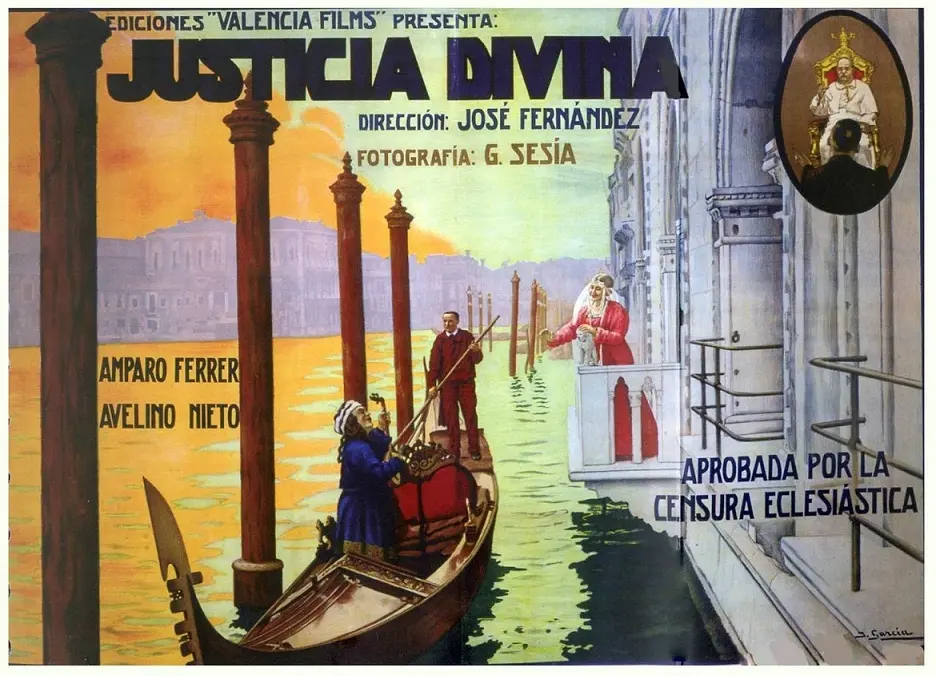
José Fernández Caireles
Community
Log in to comment.
"Is Los niños del hospicio worth your time today? Short answer: yes, but only if you have the stomach for the unvarnished misery of early 20th-century social realism. This film is essential viewing for those interested in the evolution of Spanish cinema, but it is certainly not for anyone seeking escapist entertainment or a lighthearted afternoon. This film works because it refuses to sanitize the experience of poverty, relying on raw location shooting rather than stagey sets. This film fails be..."
1925 · IMDb —
Deep dive into the cult classic
Discover similar cinematic experiences
A Directorial Spotlight on José Fernández Caireles