DbcultAccessing Vault...
7.1/10
Senior Film Conservator
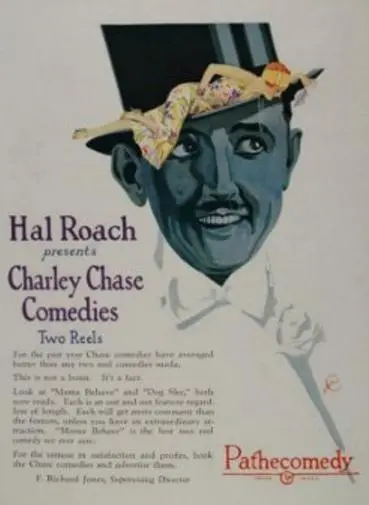
A definitive 7.1/10 rating for a film that redefined the boundaries of cult cinema. Mama Behave remains a cornerstone of transgressive art.
Short answer: Yes, but it's a classic that requires a certain mindset to fully appreciate it.
This 1922 silent comedy, Mama Behave, is a charming yet flawed piece of cinematic history. It's not for everyone, but those with a passion for early film and a willingness to embrace the quirks of silent comedies will find it a rewarding experience.
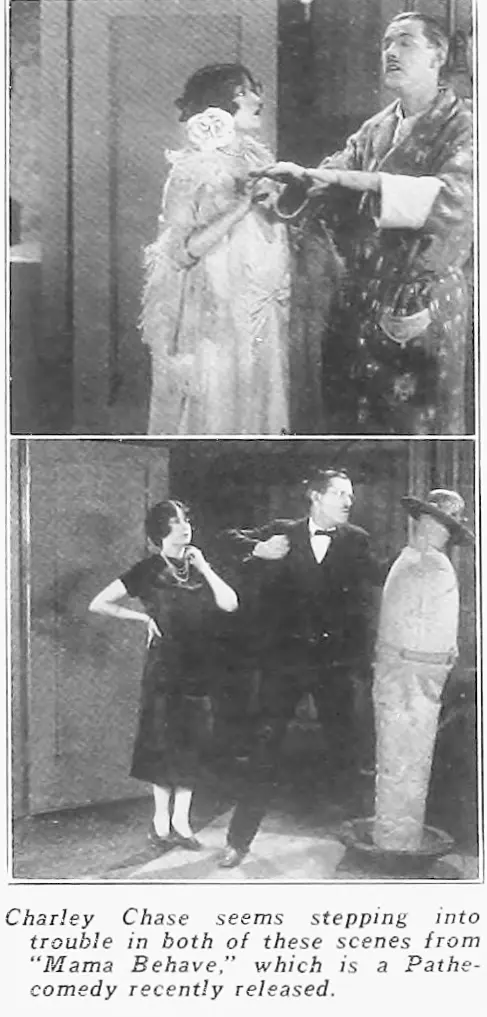
This film works because it captures the essence of early 20th-century humor and romance, with its simple yet effective plot and performances. Syd Crossley and Vivien Oakland deliver strong, relatable characters, and the film's structure is cleverly built around the central conceit of a man pretending to be his twin. The supporting cast, including Charley Chase and Mildred Harris, adds depth and humor to the story.
This film fails because the pacing can be uneven, and some of the more elaborate plot twists feel a bit forced. The film's reliance on visual gags and a limited dialogue can make it difficult for modern audiences to fully connect with the story and characters. However, the film's charm and historical significance make it a worthwhile watch for those interested in early American cinema.
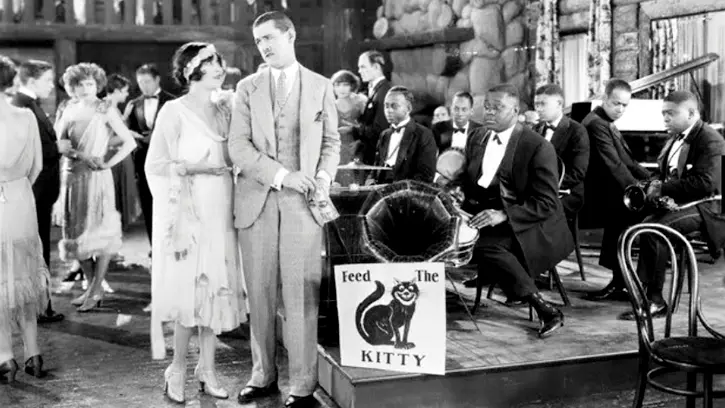
You should watch it if you're a fan of silent comedies, have an interest in early 20th-century film, or simply want to experience a different era of storytelling.
While Mama Behave might not be the most polished film of its era, it's a fascinating piece of history that offers a unique glimpse into the early days of American cinema. The film's strengths lie in its engaging narrative and the chemistry between its leads, but its flaws are primarily due to the constraints of the silent film era and its reliance on visual humor.
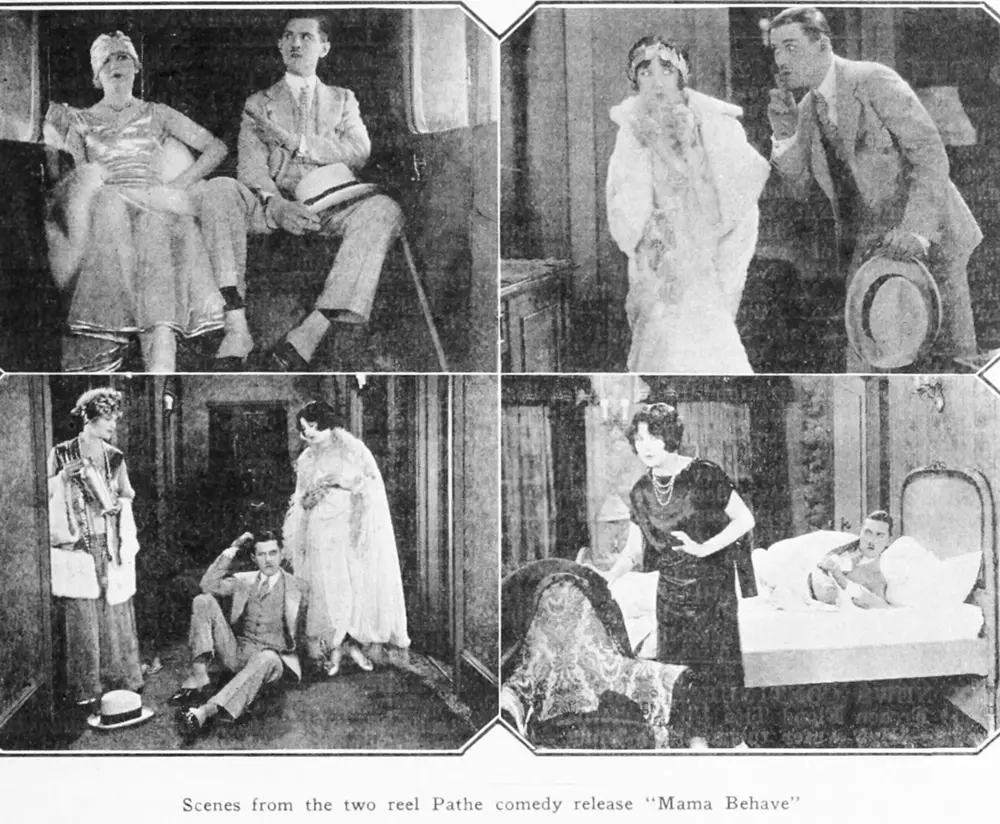
Syd Crossley and Vivien Oakland deliver strong performances as the central characters. Crossley's portrayal of the protagonist is nuanced, and his interactions with the supporting cast, particularly Mildred Harris, are charming. Vivien Oakland brings a natural charm and comedic timing to her role as the wife, making their chemistry feel genuine and engaging. However, the supporting cast, while talented, often feels underutilized, with moments of humor that could be more impactful if given more screen time.
Director Malcolm Stuart Boylan employs a straightforward approach, using simple camera work and editing to move the story along. The cinematography is functional, with a focus on clear shots that highlight the actors and the setting. While the film lacks the visual flair of some contemporary silent comedies, it maintains a consistent aesthetic that suits its time period. The use of practical effects and clever staging adds to the film's charm, especially in scenes that rely on physical humor and visual gags.
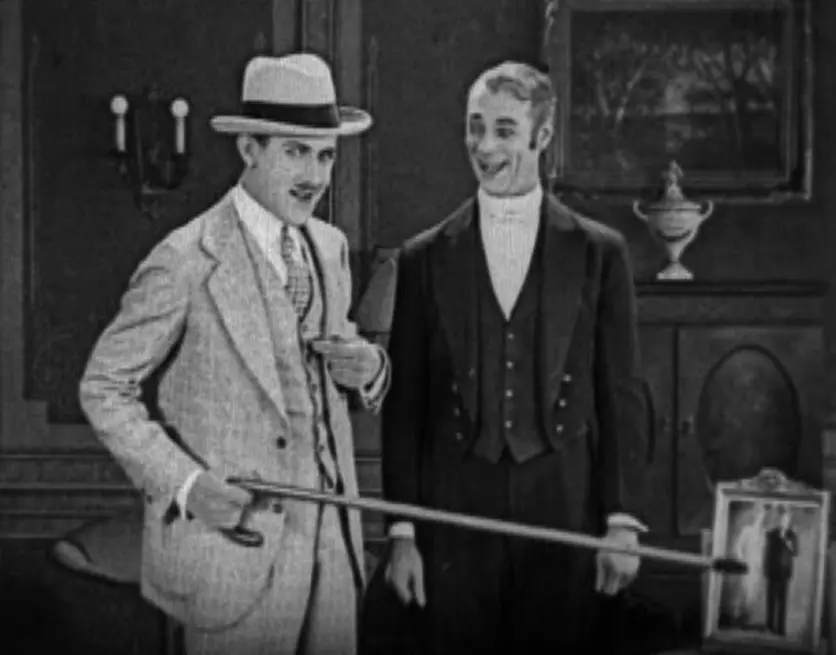
The plot is well-constructed, with a clear central conflict and several subsidiary storylines that add depth to the narrative. The film's pacing can be inconsistent, with slower moments that occasionally drag on and faster-paced scenes that feel a bit rushed. The central conceit of the protagonist impersonating his twin is executed well, but the film struggles to maintain a consistent level of engagement throughout. The story's resolution is satisfying, but it feels a bit anticlimactic given the buildup of tension and intrigue.
As a silent film, Mama Behave relies entirely on visual storytelling and sound effects to convey emotion and atmosphere. The film's score is functional, providing a sense of tone and mood without being overly intrusive. The use of sound effects, particularly in comedic and dramatic moments, adds to the film's humor and emotional impact. However, the lack of a fully realized soundtrack means that the film often feels like it's missing a crucial element, even in a silent film context.
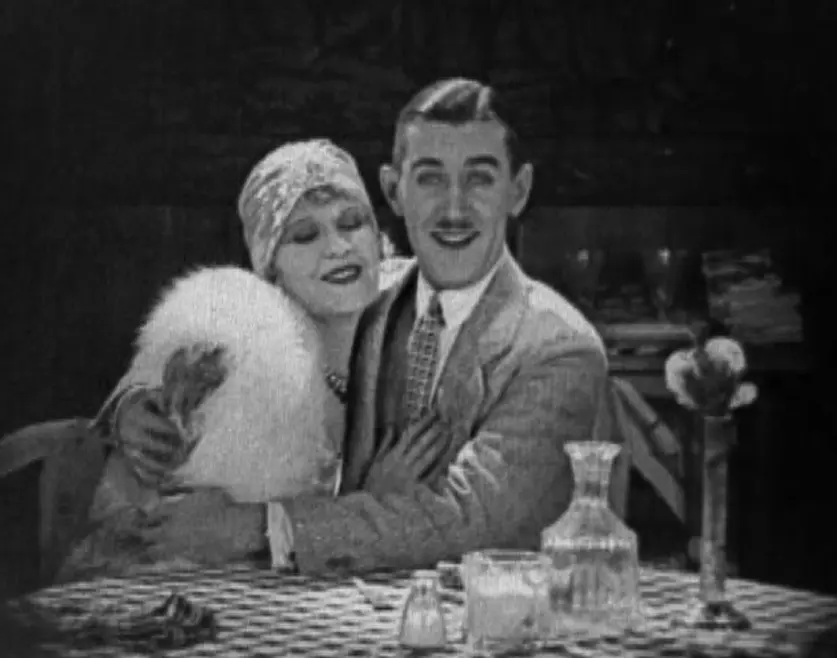
Pros: Engaging central conflict, strong performances from the leads, charming visual storytelling, historical significance.
Cons: Uneven pacing, reliance on visual humor, some plot elements feel forced, limited dialogue.
While Mama Behave is not a perfect film, it is a fascinating and historically significant piece of early American cinema. Its strengths lie in its engaging narrative and the chemistry between its leads, but its flaws are primarily due to the constraints of the silent film era and its reliance on visual humor. For those with an interest in early film and a willingness to embrace the quirks of silent comedies, Mama Behave is a must-watch. However, for modern audiences seeking contemporary humor and storytelling, it might be a challenging experience.
IMDb 7.3
1930
Community
Log in to comment.