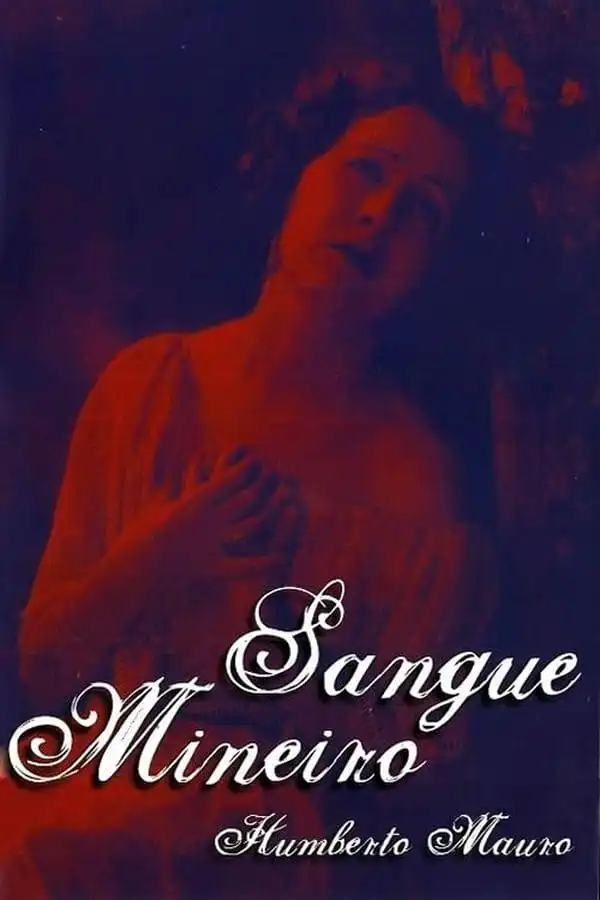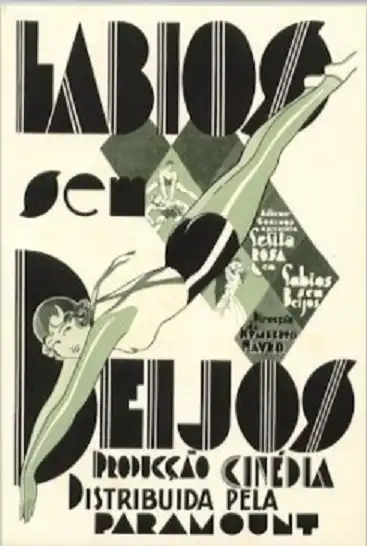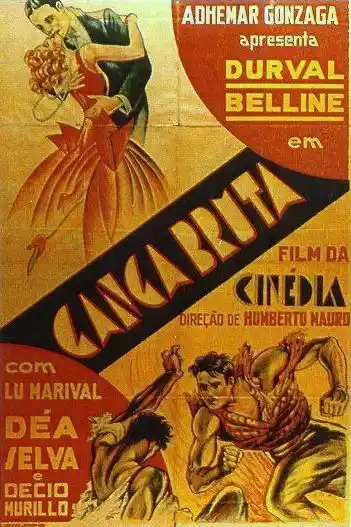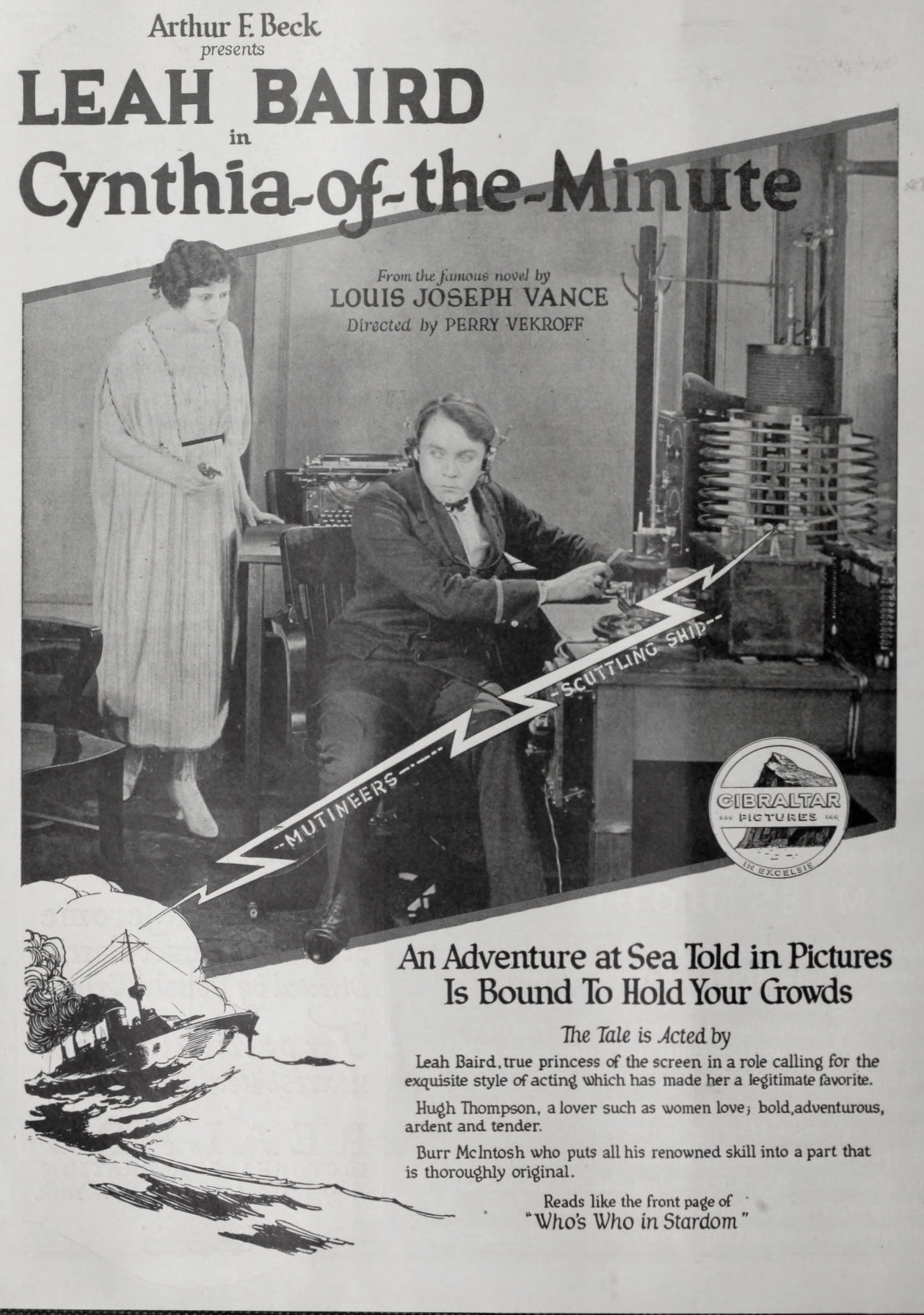
Is Lost Treasure worth watching today? Short answer: No, unless you are a dedicated film historian or a student of Latin American cinema. This 1923 silent film is a technical curiosity rather than a piece of entertainment for the modern viewer. It is for those who appreciate the 'Cycle of Cataguases' and is definitely ...

Comparing the cinematic DNA and archive impact of two defining moments in cult history.
Humberto Mauro

Maurice Elvey
Community
Log in to comment.
"Is Lost Treasure worth watching today? Short answer: No, unless you are a dedicated film historian or a student of Latin American cinema. This 1923 silent film is a technical curiosity rather than a piece of entertainment for the modern viewer. It is for those who appreciate the 'Cycle of Cataguases' and is definitely not for anyone seeking a fast-paced action movie.Is this film worth watching?For the casual viewer, Lost Treasure is a difficult sit. It lacks the rhythmic editing of Soviet cinema..."
Antonio de Almeida
Humberto Mauro
Brazil