DbcultAccessing Vault...
6.3/10
Senior Film Conservator
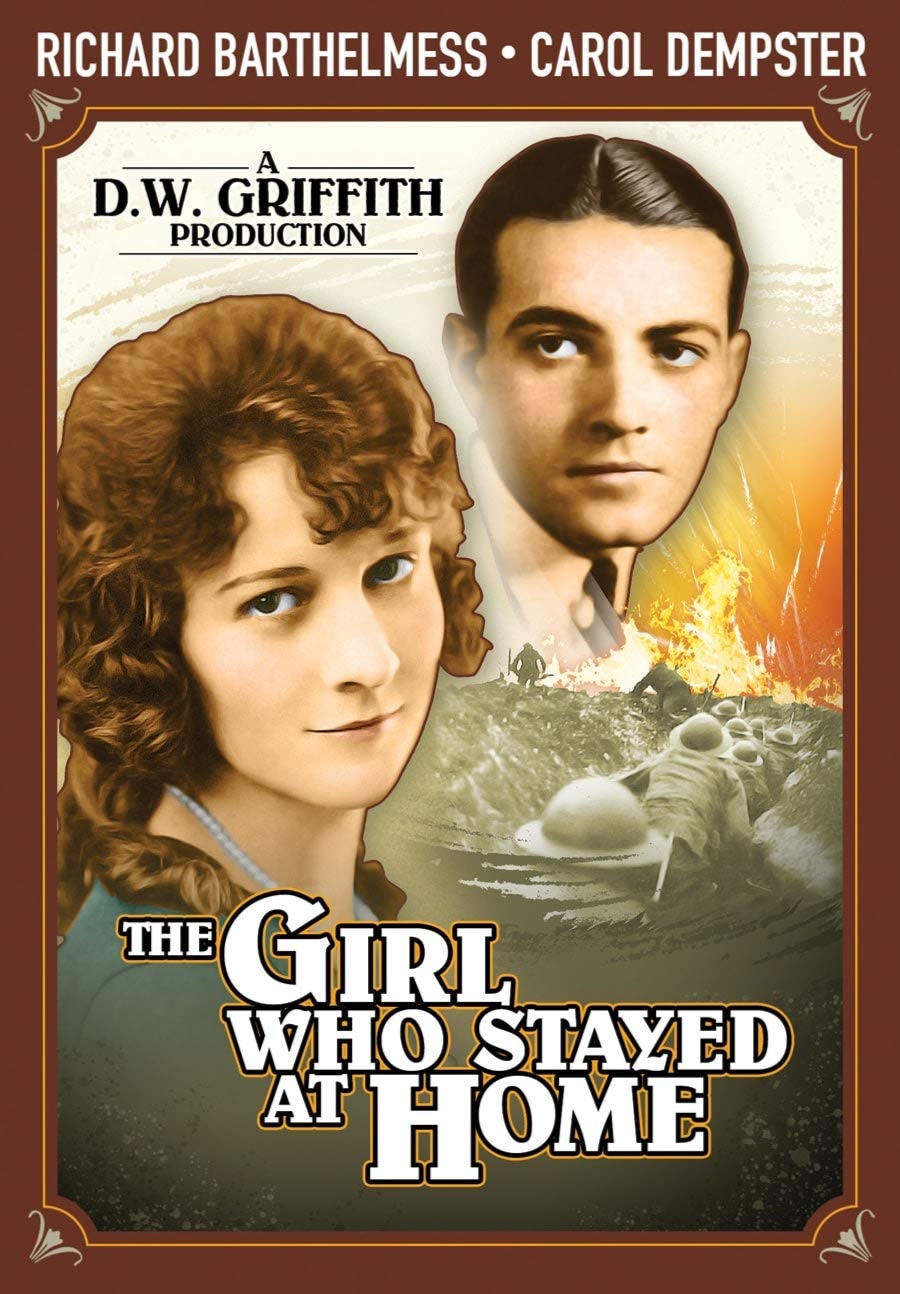
A definitive 6.3/10 rating for a film that redefined the boundaries of cult cinema. The Girl Who Stayed at Home remains a cornerstone of transgressive art.
When D.W. Griffith and Stanner E.V. Taylor set out to dramatize the domestic reverberations of World War I, they produced a film that feels less like a conventional war epic and more like a lyrical meditation on the fissures that conflict creates in the intimate spaces of home. The Girl Who Stayed at Home unfolds with a deliberate pacing that mirrors the slow, inexorable march toward tragedy, allowing each character’s inner world to breathe before the inevitable clash of battle.
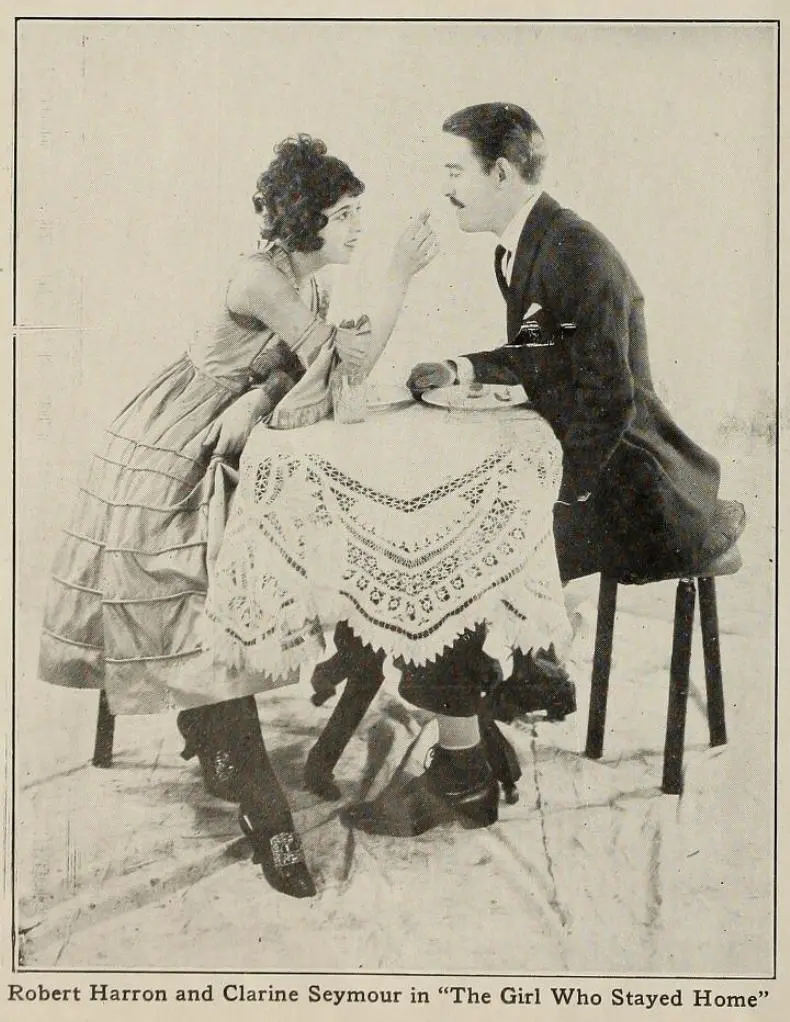
At the narrative’s core are the two brothers—portrayed with a blend of earnestness and vulnerability by Richard Barthelmess and Robert Harron—who embody the archetype of the American volunteer soldier. Their departure is not a grandiose enlistment scene but a quiet, almost tender farewell at a weather‑worn farmhouse, underscored by the soft rustle of wheat and the distant toll of a church bell. This opening tableau establishes a visual motif that recurs throughout the film: the juxtaposition of pastoral serenity against the looming specter of war.
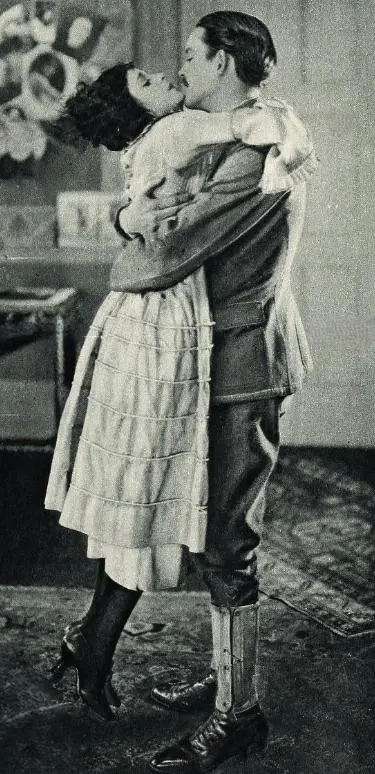
The women left behind are rendered with a complexity that defies the era’s typical gender stereotypes. Milla Davenport’s matriarchal figure exudes a stoic resilience, her eyes conveying a lifetime of unspoken sacrifices. Frances Parks, the younger sister, oscillates between youthful optimism and a dawning awareness of mortality, while Carol Dempster’s lover, a figure of quiet strength, navigates the treacherous waters of devotion and self‑preservation. Their interactions are punctuated by lingering close‑ups that capture fleeting glances, a Griffithian technique that invites the audience to inhabit their emotional turbulence.
Parallel to this domestic drama is the subplot of the American expatriate, embodied by David Butler. He is a man caught between two worlds: the familiar cadence of his adopted French life and an unrelenting call to serve his homeland. His speeches, delivered in smoky cafés and dimly lit salons, are laced with a fervor that borders on the theatrical, yet they also reveal a deep-seated anxiety about identity and belonging. This character functions as a narrative conduit, linking the home front’s quiet desperation to the front lines’ chaotic fury.
Griffith’s direction excels in its use of location shooting, a rarity for the period. The trenches are not merely painted backdrops; they are authentic, mud‑splattered expanses that convey the visceral reality of combat. The camera lingers on the faces of soldiers as they hunker behind sandbags, their eyes reflecting a mixture of fear, camaraderie, and a haunting resignation. In these moments, the cinematography becomes a silent narrator, speaking louder than any intertitle could.
One of the film’s most striking achievements is its thematic layering. The notion of staying ‘at home’ is interrogated from multiple angles: the literal staying of the women, the emotional staying of the expatriate who cannot fully detach from his roots, and the metaphorical staying of the brothers, whose minds remain tethered to the familiar even as their bodies are thrust into foreign soil. This multiplicity of perspectives invites viewers to contemplate the elasticity of home and the ways in which war stretches, distorts, and sometimes redefines it.
When comparing The Girl Who Stayed at Home to contemporaneous works such as The Prince and Betty or The Firm of Girdlestone, the distinction becomes evident. While the former leans toward light‑hearted romance and the latter toward melodramatic intrigue, Griffith’s film situates itself in a somber, almost elegiac register. It shares a thematic kinship with The Marionettes, which also examines the manipulation of personal destiny by larger, impersonal forces, yet it diverges in its emphasis on patriotic duty versus personal desire.
The performances merit particular attention. Barthelmess delivers a nuanced portrayal of a soldier whose bravado masks a deep-seated dread, while Harron’s quieter, introspective demeanor provides a counterbalance that underscores the brothers’ divergent coping mechanisms. Carol Dempster’s presence is ethereal; she conveys longing through subtle gestures—a hand placed on a windowpane, a sigh caught in the wind—rendering her character a living embodiment of the film’s central motif.
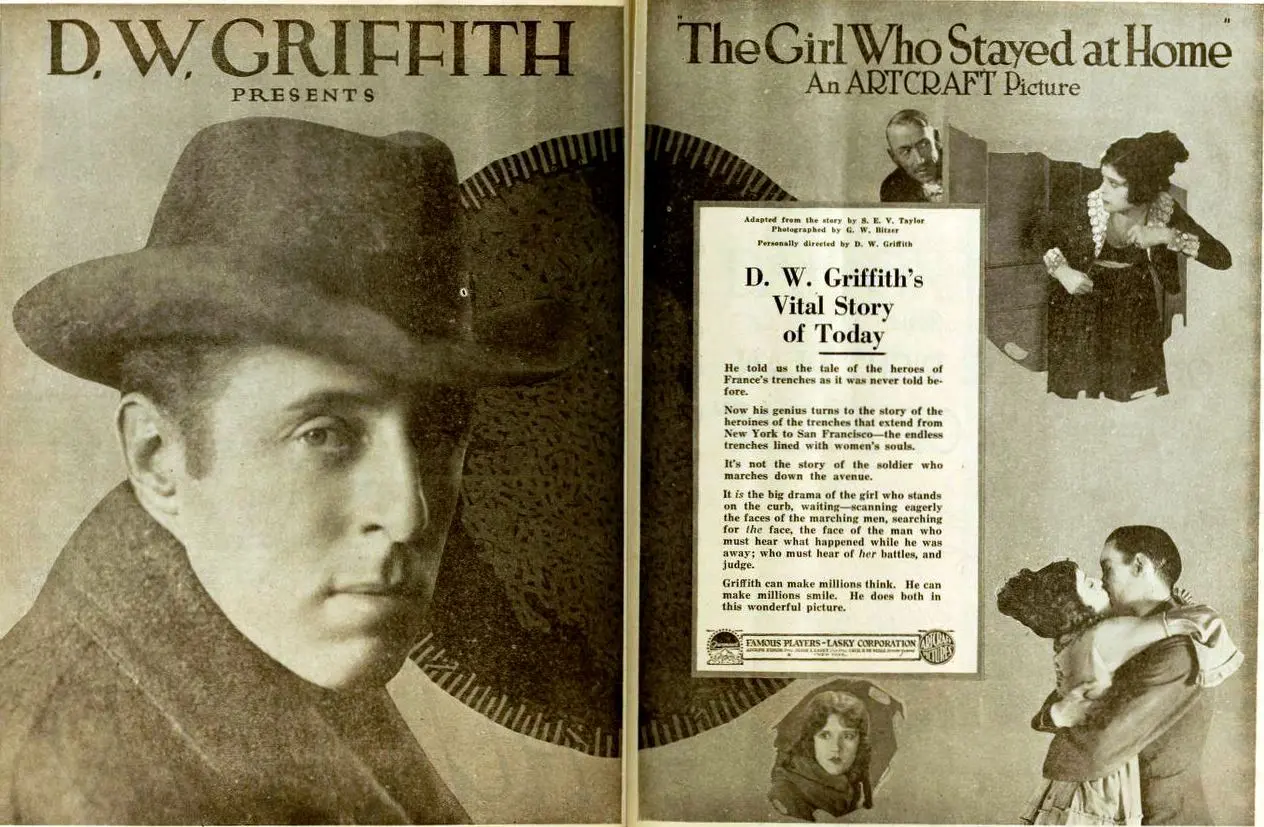
Beyond the principal cast, the supporting ensemble enriches the tapestry. Tully Marshall’s portrayal of General March offers a stoic, almost paternal figure whose strategic decisions echo the broader geopolitical calculations of the era. The inclusion of actors such as Edward Peil Sr. and Newton Baker adds depth to the battlefield scenes, each soldier’s face a micro‑portrait of the collective trauma.
Griffith’s script, co‑written with Stanner E.V. Taylor, employs intertitles sparingly, allowing visual storytelling to dominate. When they do appear, they are crafted with poetic brevity, often echoing the film’s recurring motifs of home, duty, and love. This restraint aligns with the director’s belief that cinema should be a visual poem, not a literary one.
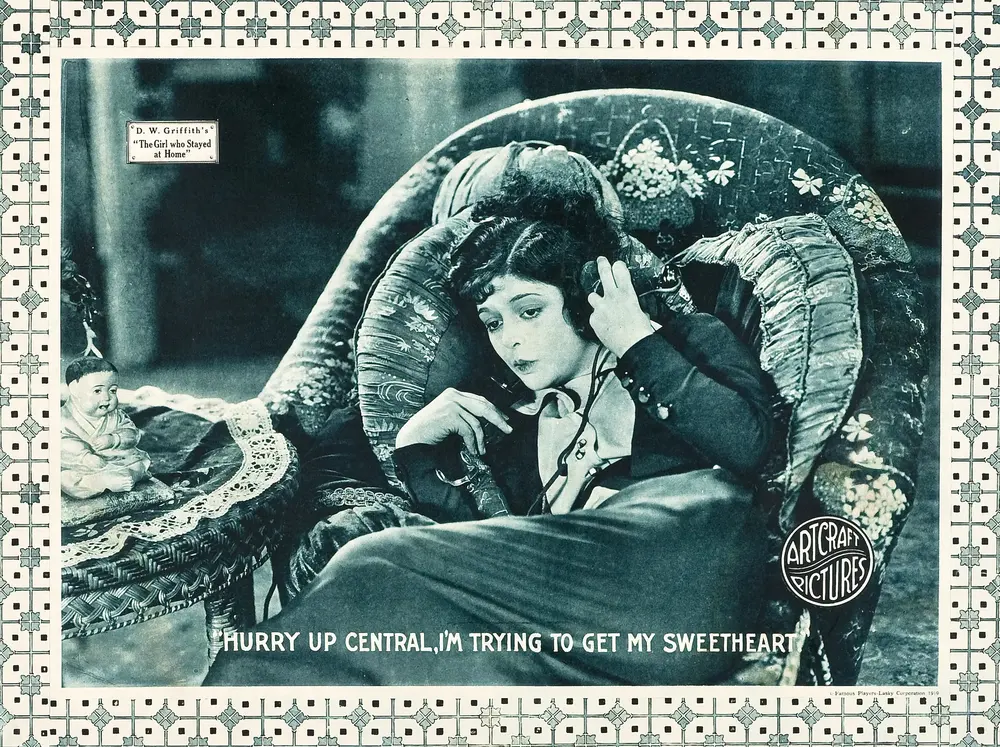
From a production standpoint, the film’s use of color—though presented in black‑and‑white—can be imagined through its tonal contrasts. The dark orange of the battlefield’s fire, the yellow of sunrise over the French countryside, and the sea blue of distant horizons are evoked through lighting choices and set design, creating an emotional palette that resonates with the audience’s subconscious.
In terms of historical context, the film arrives at a moment when America was grappling with its role on the world stage. The expatriate’s rallying speeches mirror the nation’s own internal debate about interventionism versus isolationism. This alignment grants the film a layer of contemporary relevance that modern viewers can still appreciate, especially when juxtaposed with later war dramas like Mr. Logan, U.S.A., which explore similar tensions.
The narrative’s climax—when the brothers return home, scarred yet alive—does not resolve with triumphant fanfare. Instead, it offers a quiet, contemplative scene where the women gather around a modest kitchen table, the soft glow of a lantern casting elongated shadows. The camera pans slowly, allowing each character’s expression to linger, a visual meditation on the cost of survival. This ending, while understated, reinforces the film’s central thesis: that the true battle often continues long after the guns fall silent.
Critically, the film’s legacy is twofold. Artistically, it showcases Griffith’s mastery of visual storytelling, his ability to weave complex emotional narratives without reliance on dialogue. Historically, it serves as a cultural artifact, capturing the zeitgeist of post‑war America and the lingering anxieties of a generation that had witnessed unprecedented loss.
When placed alongside other silent era dramas such as The Sawdust Ring or The Madcap, The Girl Who Stayed at Home stands out for its earnest exploration of the domestic fallout of global conflict. It does not merely depict war; it dissects the ripples that emanate from the front lines into the very fabric of everyday life.
In sum, the film is a masterclass in restraint, nuance, and emotional depth. Its deliberate pacing, layered performances, and thematic richness make it a compelling study for anyone interested in early cinema, war narratives, or the timeless question of what it means to stay—or leave—home.
IMDb —
1925
Community
Log in to comment.