Summary
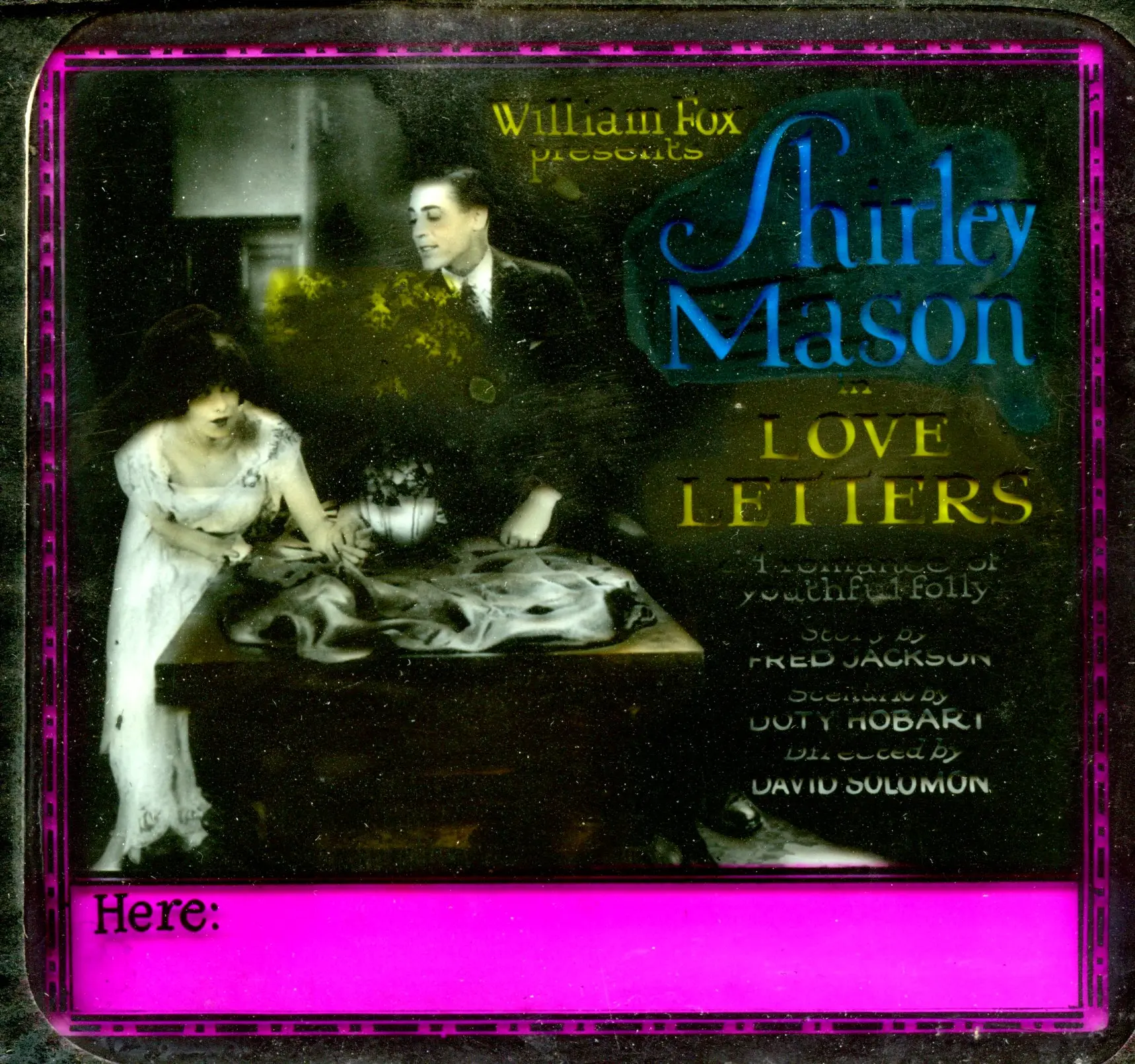
In a masterclass of psychological tension veiled by the genteel facades of the Jazz Age, Love Letters (1924) unravels a chilling narrative woven around the indelible stain of youthful indiscretion. Sisters Evelyn Jefferson and Julia Crossland find their carefully constructed lives imperiled by the reappearance of the notorious Thomas Chadwick, a man whose past liaisons include their own fervent, naive epistolary declarations penned in the blush of girlhood. Chadwick, a walking repository of their most intimate secrets, wields these incriminating missives as a formidable weapon, ensconcing them within a locked Morocco box—a potent symbol of their vulnerability and his insidious power. Evelyn's desperate, often futile machinations to reclaim these relics of a bygone folly underscore the immense societal premium placed on female reputation during the era. The narrative crescendo arrives not through the sisters' success, but through a brutal, almost fated intervention: Chadwick's demise at the hands of a vengeful brother, whose sister was yet another casualty of the rake's charm. The subsequent revelation, or rather, the lack thereof, when the fabled box is finally opened—its contents seemingly reduced to ash or decay—serves as a poignant, almost supernatural absolution. The destruction of the physical evidence liberates both women, granting them a fragile peace and an erasure of their past transgressions, a resolution as ambiguous as it is liberating.
Synopsis
Two sisters, Evelyn Jefferson and Julia Crossland, meet rakish Thomas Chadwick, to whom, as young girls, they both wrote passionate love letters. Evelyn is unsuccessful in her attempts to retrieve the letters, which Chadwick keeps in a Morocco box. Finally Chadwick is killed by the brother of one of his discarded mistresses. The contents of the box, when opened, appear to have been destroyed, and both women are mollified.
Review Excerpt
"<div style..."