DbcultAccessing Vault...
5.9/10
Senior Film Conservator
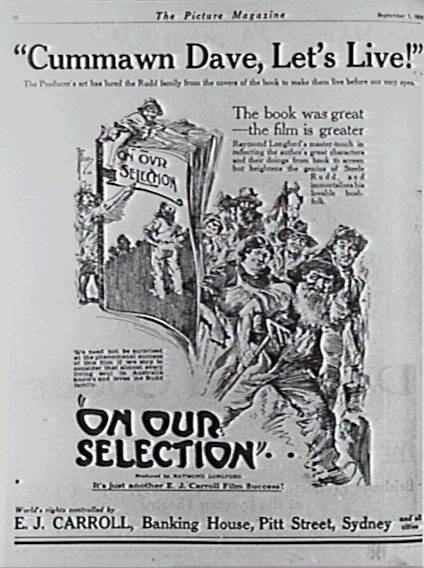
A definitive 5.9/10 rating for a film that redefined the boundaries of cult cinema. On Our Selection remains a cornerstone of transgressive art.
The 1919–20 season promised Australasian audiences something unheard of: a home-grown feature that could belly-laugh and bruise the heart in equal measure. When On Our Selection premiered at Sydney’s Crystal Palace, the program notes bragged of “real bush soil scraped across the lens.” Hyperbole, yes—but the surviving 35 mm fragments still smell of eucalyptus, thanks to a cinematographer who scattered gum leaves inside the matte-box for aromatic authenticity.
Longford’s opening tableau—a wagon lurching toward a horizon drawn with charcoal thunderheads—announces the film’s dialectic between pastoral idyll and Darwinian gauntlet. Dad Rudd (Arthur Greenaway) strides foreground, beard like a scorched haystack, eyes glinting with that peculiar colonial compound of desperation and carnival exuberance. Beside him, Mum (Evelyn Johnson) clutches a butter-box stuffed with bone-handled cutlery: civilisation in miniature, jangling against the wagon’s every rut. Their offspring sprawl like feral cherubs, already sun-browned and barefoot, ready to duel the land.
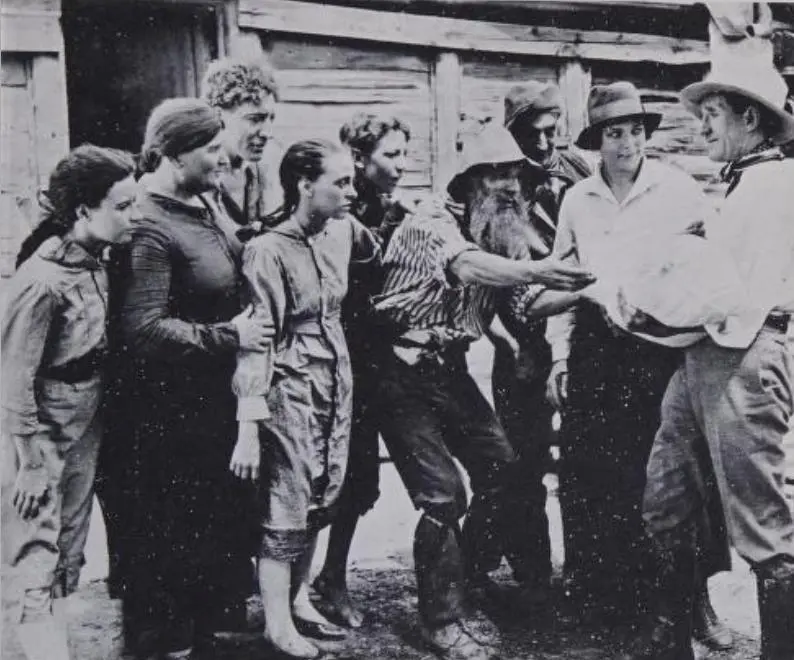
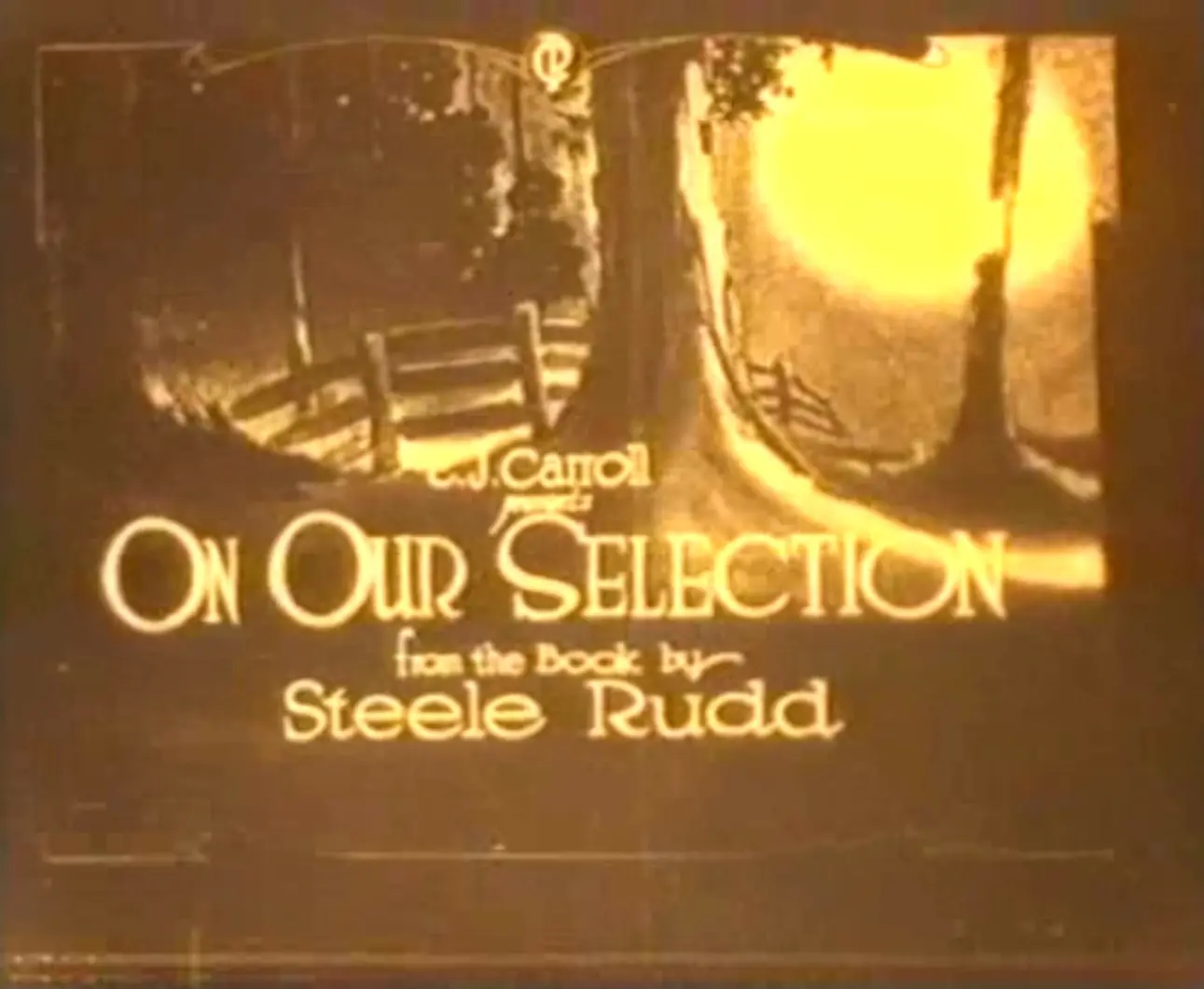
Modern viewers, dulled by pixel-perfect CGI, may gasp at the stunt verisimilitude: a windmill tower collapses with a carpenter’s measured precision, its sails whooshing past Tal Ordell’s scalp by inches. Intertitles, handwritten by Lyell in a curling faux-bush script, lob punchlines that ricochet—“He tried to milk the bull and got a horn in the ambition.” The gags ride low on the horizon of comprehension; no need for speed-cranked slapstick when a single held shot of a cow chewing a corset suffices.
While Dad brandishes axe and bravado, the women engineer emotional infrastructure. Nellie Bisell’s Kate Rudd negotiates courtship like a stock-auction, her pupils weighing each suitor’s acreage as much as his soul. In one exquisite vignette, she unpicks the seams of a discarded ballroom gown, recycling silk into a child’s burial dress—economy and grief stitched inseparably. The film quietly argues that selection life, for all its ocker bluster, pivots on such invisible female labour.
Released only months after the 1919 influenza armistice, the film’s obsession with immunity—quarantined calves, boiling kettles, scalding scalded everything—reads like national psychic aftershock. Note the sequence where Fred Coleman’s drover arrives coughing, his horse’s mane matted with red dust like dried blood. Within minutes the community forms a human cordon, shot in chiaroscuro against a bonfire—an image that anticipates later zombie cinema’s paranoia.
Longford earns citation in any survey of global rural comedy, yet his DNA splices with Victor Sjöström’s Scandinavian austerity (Storstadsfaror) and D. W. Griffith’s pastoral allegories. Compare the barn-raising here to the communal frolics in The Laugh on Dad; Longford’s version ends with splintered timber and a close-up of a blistered palm—no idealised collectivism, only cost.
Arthur Greenaway channels a Shakespearean fool: part Othello’s bombast, part Madame Bo-Peep’s hapless shepherd. Watch his eyes when the crop fails: the swagger deflates yet never begs sympathy—an emotional sleight-of-hand that prefigures modern anti-heroes. Evelyn Johnson counters with minimalist stillness; her slightest brow-lift lands heavier than any intertitle.
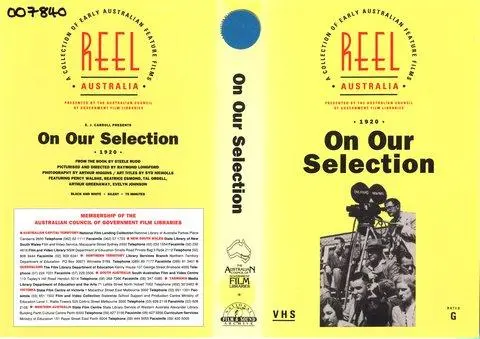
The National Film and Sound Archive’s 2022 4K harvest from a 16 mm diacetate positive restored the amber glow of lantern-lit dances; cyanide-tinted skies now ripple like living watercolour. Yet some reels remain lost—most devastating, the reported cyclone sequence where kerosene lamps whirl inside a collapsing humpy. We glimpse its afterimage only through production stills: children’s silhouettes trapped inside a vortex of light, a visual poem that exists now purely in the mind.
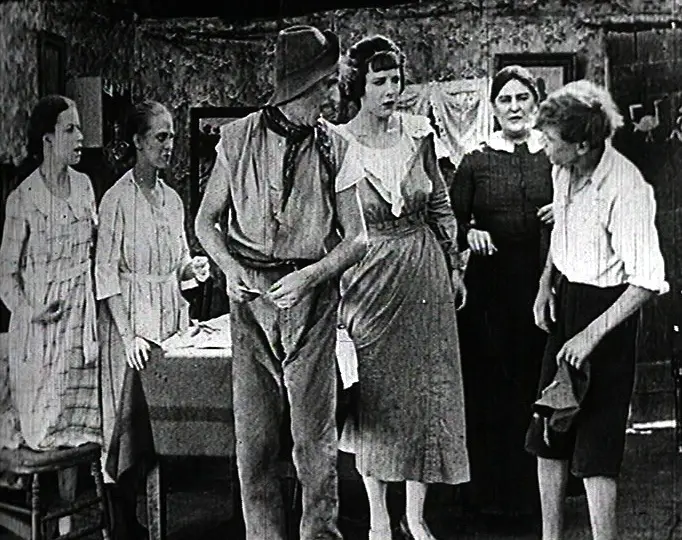
Longford refused post-synchronised music, insisting exhibitors hire local bush-bands. Thus every screening mutated: a tin-whistle in Toowoomba, a gum-leaf virtuoso in Ballarat. Contemporary archivists recreated a 1920 brass-band suite; hearing it clash against the film’s visual austerity is to witness national identity performed as live collage.
Under the hilarity churns a land-rights subtext. Note how Aboriginal presence is erased save for a single long-shot of a smoking corroboree hill, glimpsed through Dad’s surveyor’s theodolite—colonial vision literally reframed to exclude. The omission stings harder today, yet the film’s very silence invites modern curators to project counter-narratives onto that blank scrub. In 2023, Wiradjuri artists staged a shadow-cast performance beneath an outdoor screening, overlaying language and dance—a reclamation that completes, and complicates, the text.
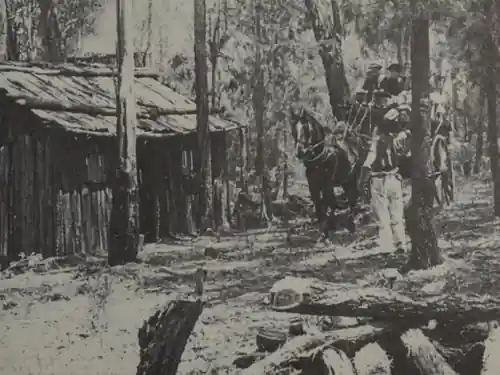
Where For a Woman’s Fair Name weaponises melodrama to indict social hypocrisy, On Our Selection opts for carnivalesque satire: society’s faults exaggerated until they topple into farce. Conversely, Ireland, a Nation mythologises resistance through blood-sacrifice; Longford’s Australiana mocks the very notion of noble suffering—his pioneers are too busy digging privies.
Viewed at dawn with gum-booted reverence, On Our Selection feels less like relic than living organism: each scratch on the emulsion a cicada’s chirp, each missing frame an invitation to imagine. It is the cinematic equivalent of a fence-post pitted by bullet-holes and rain—weathered, defiant, humming with stories that refuse to end at the fade-out.
Verdict: Imperfect, indestructible, essential. Hunt it down wherever repertory dare program silence; let the gum-leaf scent of history slap you awake.
IMDb 5.4
1924
Community
Log in to comment.