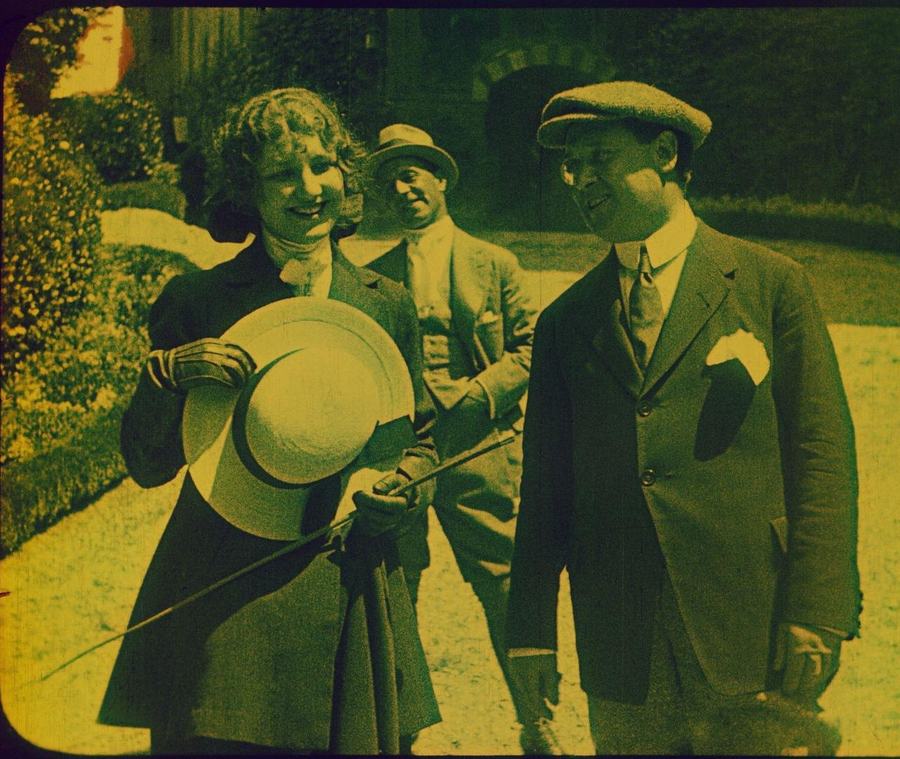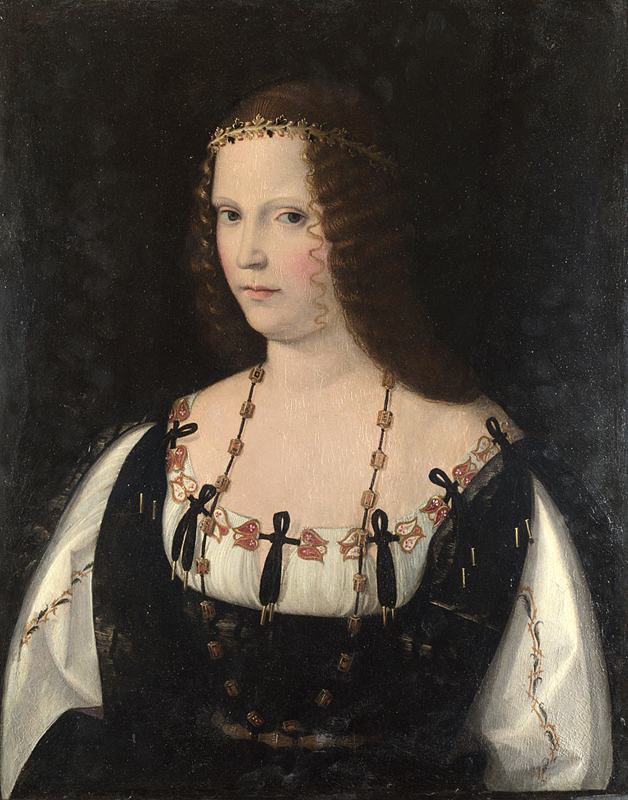
The very name 'Borgia' conjures images of opulent treachery, of Renaissance Italy steeped in both dazzling artistry and chilling Machiavellian machinations. For decades, the figure of Lucrezia Borgia has been a canvas for both historical conjecture and dramatic license, often painted in hues of poison and incest. Yet, ...
production_art
Comparing the cinematic DNA and archive impact of two defining moments in cult history.
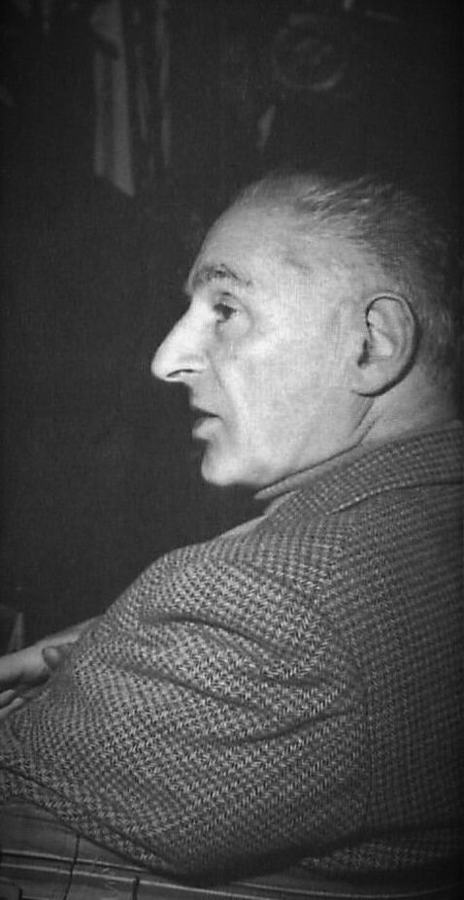
Augusto Genina

Augusto Genina
Community
Log in to comment.
"The very name 'Borgia' conjures images of opulent treachery, of Renaissance Italy steeped in both dazzling artistry and chilling Machiavellian machinations. For decades, the figure of Lucrezia Borgia has been a canvas for both historical conjecture and dramatic license, often painted in hues of poison and incest. Yet, Fausto Salvatori's silent epic, *Lucrezia Borgia*, dares to peel back these sensational layers, offering a surprisingly nuanced, deeply human portrayal through the luminous presenc..."
Deep dive into the cult classic
Discover similar cinematic experiences
A Directorial Spotlight on Augusto Genina