DbcultAccessing Vault...
Cult Review
Senior Film Conservator
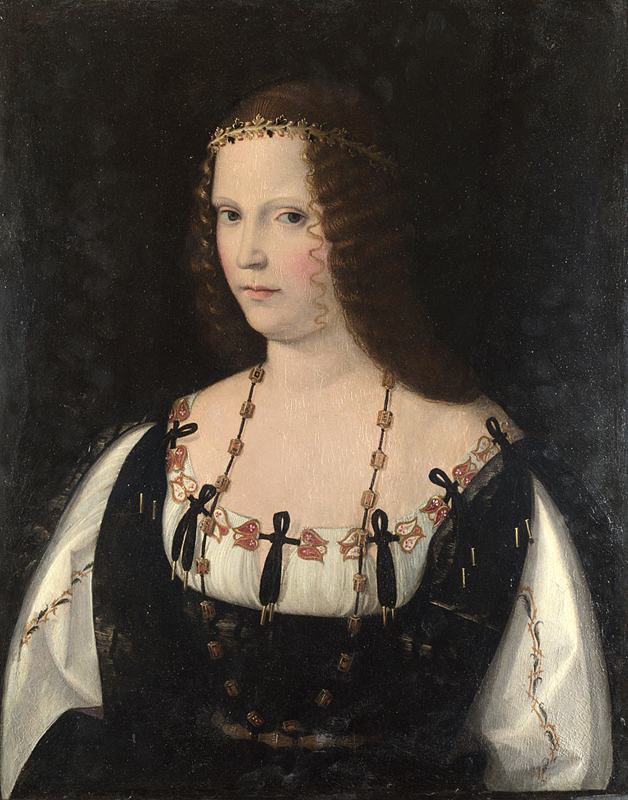
The very name 'Borgia' conjures images of opulent treachery, of Renaissance Italy steeped in both dazzling artistry and chilling Machiavellian machinations. For decades, the figure of Lucrezia Borgia has been a canvas for both historical conjecture and dramatic license, often painted in hues of poison and incest. Yet, Fausto Salvatori's silent epic, *Lucrezia Borgia*, dares to peel back these sensational layers, offering a surprisingly nuanced, deeply human portrayal through the luminous presence of Diana Karenne. This isn't just a historical drama; it’s a profound meditation on agency, destiny, and the crushing weight of a notorious surname, delivered with the expressive power unique to the silent screen.
From its opening frames, Salvatori immerses us in a world where power is the ultimate currency, and human lives are mere pawns in a grand, often brutal, game. The film’s aesthetic is meticulously crafted, evoking the lavish yet dangerous courts of 15th-century Italy. The costumes, the set designs, the very staging of each scene—all contribute to an atmosphere of historical grandeur tinged with an ever-present sense of impending doom. It's a visual feast that grounds the emotional turmoil at its core, allowing the audience to feel the oppressive weight of Lucrezia's circumstances.
At the heart of this cinematic endeavor is Diana Karenne, whose performance as Lucrezia Borgia is nothing short of mesmerizing. Karenne, a titan of early European cinema, commands the screen with a potent blend of vulnerability and nascent strength. Her Lucrezia is far from the one-dimensional femme fatale often depicted in popular lore; instead, she emerges as a complex woman, initially a bewildered girl caught in the suffocating web spun by her formidable father, Pope Alexander VI, and her ruthlessly ambitious brother, Cesare. Karenne’s subtle facial expressions, the eloquent tilt of her head, the precise gestures of her hands—each movement is a carefully articulated sentence in a language spoken without words. Her eyes, in particular, are windows to a soul in constant conflict, reflecting innocence lost, fleeting joy, profound sorrow, and ultimately, a weary resignation.
The narrative’s strength lies in its meticulous charting of Lucrezia’s psychological evolution. We witness her initial bewilderment as she is thrust into a politically motivated marriage with Giovanni Sforza, a union abruptly and publicly annulled to serve her family’s shifting alliances. Karenne's portrayal of this humiliation is heart-wrenching, a silent scream of a young woman realizing the extent of her powerlessness. This early sequence sets the tone for a life defined by external forces, a life where personal happiness is a luxury she can ill afford. It’s a powerful exploration of how an individual's identity can be subsumed by the demands of family and state, a theme also powerfully explored in films like Marta of the Lowlands, where a woman struggles against the rigid expectations and cruel manipulations of her patriarchal environment.
The film truly excels in depicting the tragic arc of Lucrezia’s brief, genuine romance with Alfonso of Aragon. Here, Karenne allows a flicker of hope, a radiant vulnerability, to shine through. The scenes between Lucrezia and Alfonso are imbued with a tender intimacy, a stark contrast to the cold political machinations surrounding them. This fleeting period of happiness, however, serves only to heighten the tragedy of its inevitable demise. Cesare Borgia, portrayed with chilling efficacy by his respective actor, orchestrates Alfonso's murder, a brutal act of familial ambition that shatters Lucrezia’s spirit. Karenne’s silent performance during this period is a masterclass in conveying grief and despair, her body language shrinking, her gaze distant, reflecting a woman irrevocably broken. This pivotal moment marks a profound transformation, an extinguishing of youthful idealism, and the birth of a more pragmatic, albeit deeply scarred, survivor.
Salvatori's direction throughout these emotionally charged sequences is masterful. He understands the power of the close-up, allowing Karenne's face to convey volumes of unspoken agony. The use of shadow and light, a hallmark of silent era cinematography, is particularly effective in visually externalizing Lucrezia's internal state. Dark, encroaching shadows often symbolize the Borgia family’s sinister influence, while brief moments of light hint at Lucrezia’s yearning for a life beyond their grasp. This visual poetry elevates the narrative beyond simple melodrama, imbuing it with a sense of classical tragedy.
The film navigates the complex political landscape of Renaissance Italy with remarkable clarity, despite the limitations of silent storytelling. Intertitles are used judiciously, providing essential context without interrupting the visual flow. The alliances, betrayals, and power shifts are rendered not merely as historical facts but as direct forces shaping Lucrezia’s destiny. The grand sweep of history, much like in a film such as Qristine, which also portrays a strong female figure against a backdrop of momentous historical events, serves as a relentless, unforgiving antagonist to personal desires.
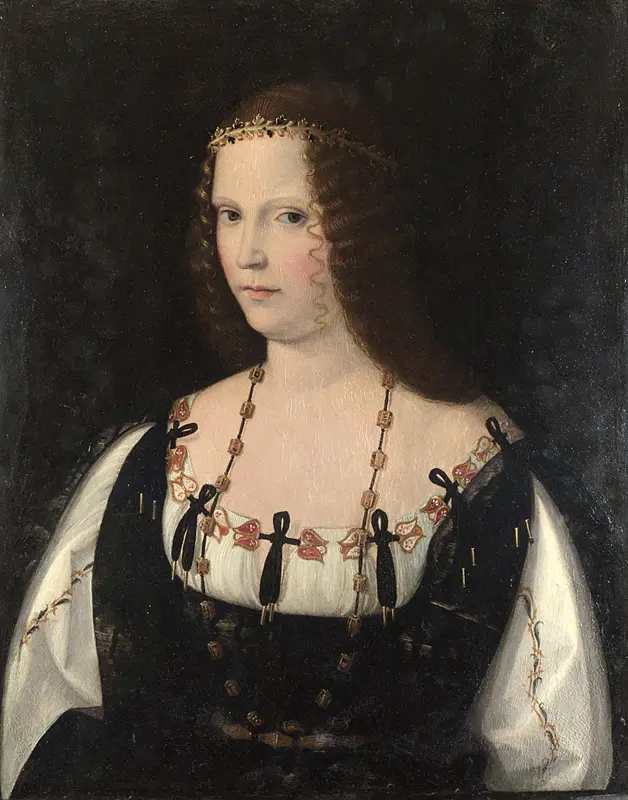
Lucrezia's final, pivotal marriage to Alfonso d'Este, Duke of Ferrara, is depicted as a culmination of her journey. By this point, the innocence of her youth has been entirely stripped away. Karenne portrays a woman who has learned to navigate the treacherous waters of courtly intrigue with a newfound, albeit weary, pragmatism. She has become a survivor, adept at the subtle art of political maneuvering, yet beneath the surface, the scars of her past remain. The film suggests that while she may have gained a measure of control over her external circumstances, the emotional cost has been immense. Her outward composure hides an inner desolation, a testament to Karenne’s profound ability to convey complex emotional layers without uttering a single word.
The thematic exploration of the film extends beyond Lucrezia's personal tragedy to a broader commentary on the corrupting influence of absolute power. Pope Alexander VI and Cesare Borgia are depicted not as cartoon villains, but as men driven by an insatiable hunger for dominion, willing to sacrifice family, morality, and human decency to achieve their ends. This unflinching portrayal of ambition's dark side resonates with films like The Folly of Sin, which similarly grapples with the destructive consequences of unchecked desires and moral compromise. Salvatori doesn’t shy away from the brutality inherent in the Borgia legacy, yet he manages to inject a sense of grand, almost operatic, tragedy into their story, rather than mere sensationalism.
The film’s production design deserves particular commendation. The opulence of the Borgia court, the intricate details of the Renaissance costumes, and the grandeur of the settings all transport the viewer to another era. This commitment to visual authenticity enhances the narrative, making the world of Lucrezia Borgia feel tangible and immersive. It's a testament to the artistry of silent cinema, where visual storytelling was paramount, and every frame was meticulously composed to convey meaning and emotion.
Moreover, the way the film handles the infamous reputation of Lucrezia Borgia is particularly insightful. Rather than leaning into the lurid myths of poison and promiscuity, Salvatori and Karenne work together to present a counter-narrative. They suggest that much of her notoriety was a consequence of her family's actions and the political propaganda of their enemies. This revisionist approach, while still maintaining dramatic tension, offers a more empathetic lens through which to view a figure often demonized by history. It prompts the audience to consider the perspective of those caught in the crosshairs of power, rather than merely judging them by the narratives imposed upon them.
Comparing this film to other works of its era, one can appreciate its unique balance of historical spectacle and intimate character study. While many silent epics focused on grand battles and sweeping gestures, *Lucrezia Borgia* finds its strength in the internal struggles of its protagonist. It shares a certain dramatic intensity with serials like The New Mission of Judex in its portrayal of intricate plotting and high stakes, but grounds its narrative in a more profound psychological realism.
The enduring appeal of *Lucrezia Borgia* lies not just in its historical setting or the notoriety of its subject, but in its timeless exploration of human resilience in the face of overwhelming adversity. Diana Karenne’s performance elevates the material, transforming a historical figure often reduced to caricature into a deeply empathetic and compelling character. Salvatori’s direction ensures that every visual element serves the emotional core of the story, creating a cinematic experience that is both grand in scope and intensely personal.
Ultimately, *Lucrezia Borgia* stands as a powerful testament to the artistry of silent film, proving that even without spoken dialogue, a story can be told with profound emotional depth and intellectual complexity. It invites viewers to look beyond the sensational headlines of history and to consider the human cost of power, ambition, and survival. It is a film that lingers long after the final frame, prompting reflection on the choices we make and the legacies we inherit, whether by birth or by circumstance.
IMDb 6.2
1932
Community
Log in to comment.