DbcultAccessing Vault...
Cult Review
Senior Film Conservator
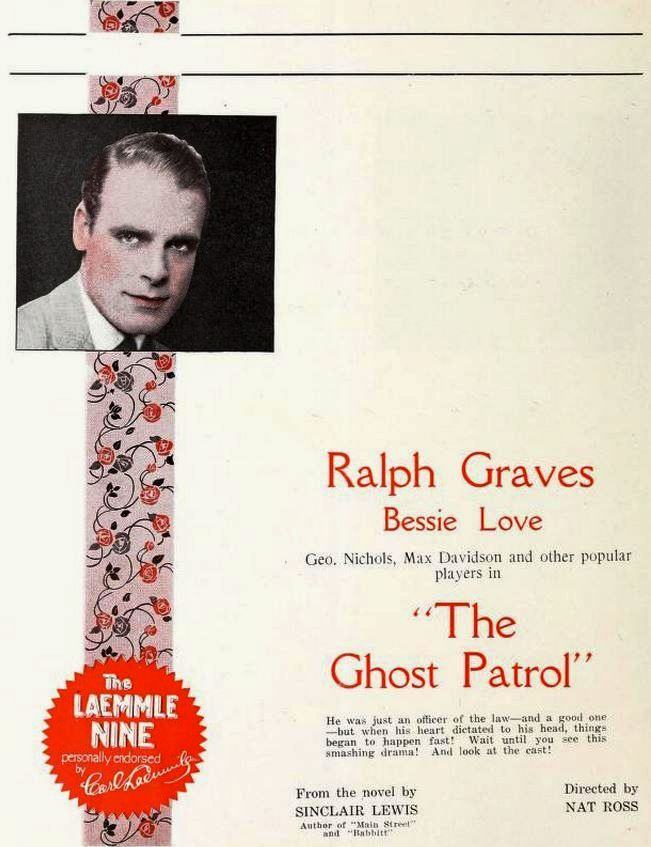
In the shimmering, often overlooked annals of early 20th-century cinema, there exist narratives that, despite their age and the technical limitations of their era, resonate with a profound, almost timeless humanism. The Ghost Patrol, a silent film from 1923, is precisely such a creation, a testament to the enduring power of simple virtues and the quiet heroism found in the most unlikely of places. It’s a film that eschews grand spectacle for the intricate, often messy, dynamics of community and individual resilience, painting a vivid portrait of urban life through the lens of a remarkably compassionate law enforcer. This isn't just a story about crime and punishment; it’s a deeply felt exploration of what it means to truly serve a community, to be a beacon of hope in its darkest corners, and the redemptive power of unwavering human connection.
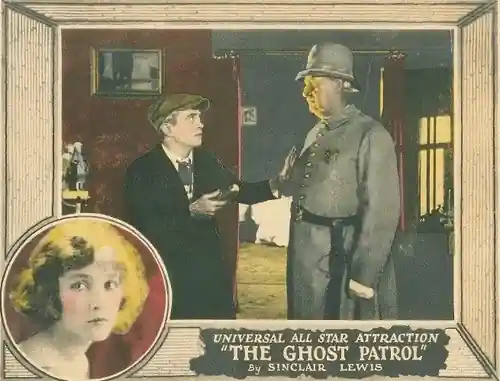
At its heart lies the figure of Donald Patrick Dorgan, portrayed with a nuanced warmth that transcends the often-bombastic acting styles of the silent era. Dorgan is thrust into 'Little Hell,' a district whose very name conjures images of squalor and despair, a place where the rule of law is often met with cynicism, if not outright hostility. Yet, Dorgan’s approach is revolutionary for its time, and perhaps even for ours: he leads not with an iron fist, but with an open hand, a listening ear, and a profound understanding of the systemic inequities that breed desperation. He’s a policeman who sees the person before the transgression, the circumstance before the crime, fostering a rare sense of trust and affection among the residents who have long been alienated from authority. His character harks back to an idealistic vision of community policing, a concept often discussed but rarely depicted with such genuine pathos and conviction. It’s a stark contrast to the more rigid, often punitive, portrayals of law enforcement seen in many contemporary films, and even in some of its silent contemporaries.
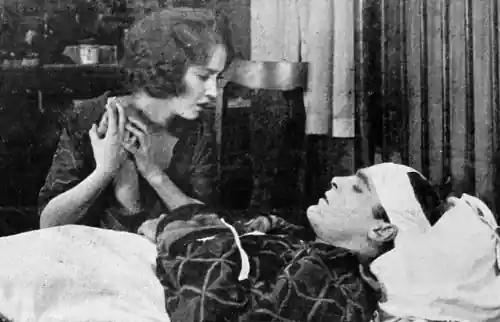
The narrative deftly intertwines Dorgan’s professional journey with the personal struggles of young Terry Rafferty and Effie Kugler. Their romance is the tender, vulnerable core of the film, a fragile bloom struggling to survive in the harsh concrete jungle. Terry, a young man adrift, finds purpose and direction in his love for Effie, striving for respectability against formidable odds. His efforts are admirable, yet they clash with the unyielding will of Effie’s father, Rudolph, a man whose stubbornness becomes a symbol of the societal and familial barriers that often impede genuine happiness. This familial opposition, a common trope in cinematic romance, feels particularly poignant here, amplified by the raw emotional landscape of the silent screen. The audience feels the weight of Terry’s desperation as Rudolph’s refusal pushes him to the brink, leading him to a fateful encounter that lands him in prison. It’s a tragic detour, highlighting the ripple effects of despair and the fragility of good intentions when confronted with entrenched prejudice.
The film truly distinguishes itself when Dorgan is forced into retirement, a poignant commentary on bureaucratic shortsightedness that sacrifices invaluable human connection for rigid adherence to protocol. Yet, Dorgan’s spirit is indomitable. He becomes 'The Ghost Patrol,' a spectral, benevolent presence, continuing his beat, maintaining the peace, and offering solace, all while unseen by his brutal, unfeeling replacement. This transformation is not merely a plot device; it’s a powerful metaphor for the enduring impact of a truly dedicated individual, a man whose commitment to his community transcends official titles and uniforms. His silent, persistent presence underscores the idea that true authority emanates not from a badge, but from compassion and earned respect. It’s a beautiful, almost mythical portrayal of altruism, resonating with a quiet dignity that speaks volumes without a single intertitle. One might draw a thematic parallel to the unwavering spirit of those who strive for justice against overwhelming odds, much like the relentless pursuit of truth found in stories like The Adventures of Lieutenant Petrosino, though Dorgan’s methods are far more rooted in communal uplift than investigative rigor.
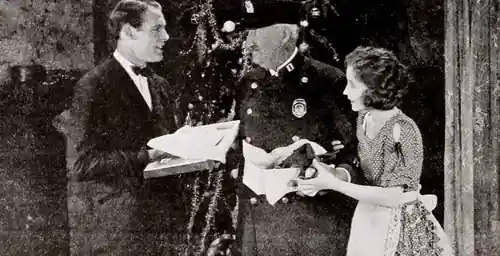
The performances, particularly from Bessie Love as Effie and Ralph Graves as Terry, imbue their characters with a raw, earnest quality that captures the emotional intensity demanded by the silent medium. Love, a prolific actress of the era, brings a delicate strength to Effie, her expressions conveying a spectrum of hope, despair, and ultimately, defiance. Graves, too, embodies Terry’s journey from aimless youth to a man tempered by hardship, his physical performance communicating the internal turmoil and eventual resolve. George Nichols, as Officer Dorgan, anchors the film with a paternal gravitas, his portrayal a masterclass in understated empathy. These actors, through exaggerated gestures and profound facial expressions, manage to communicate complex emotions with an eloquence that modern audiences, accustomed to dialogue, might initially find challenging, but ultimately rewarding. The sincerity of their performances is a critical factor in the film’s ability to connect with its audience on an emotional level, making the struggles and triumphs of these characters feel deeply personal.
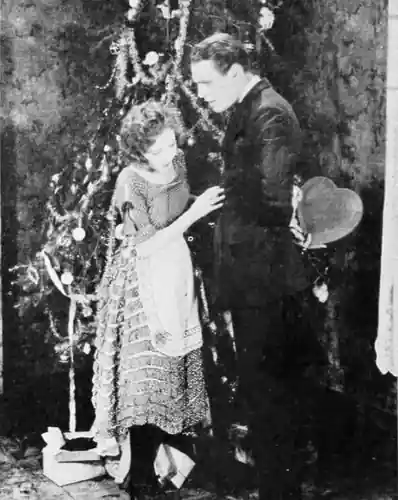
The film’s resolution, arriving at Christmas, is perhaps predictably optimistic, yet it feels earned. The reunion of Terry and Effie, facilitated by Dorgan, is a moment of pure cinematic joy, a testament to enduring love and the power of second chances. Effie’s decision to defy her father, a quiet act of rebellion, speaks to a burgeoning sense of female agency that was becoming more prevalent in narratives of the time. The reinstatement of Dorgan as a police captain by Commissioner Manning is the final flourish, a recognition that true leadership lies in humanitarianism, not just adherence to rules. It’s a heartwarming conclusion that affirms the film’s central message: that compassion, perseverance, and community spirit can ultimately triumph over adversity and systemic indifference. This kind of redemptive arc, while common in early cinema, is executed here with a sincerity that avoids saccharine sentimentality.
The thematic richness of The Ghost Patrol extends beyond its central characters. It offers a fascinating glimpse into the social fabric of early 20th-century urban America, particularly the challenges faced by working-class communities. The depiction of 'Little Hell' is not merely a backdrop; it’s a character in itself, a living, breathing entity shaped by poverty, desperation, and the resilient spirit of its inhabitants. The film subtly critiques the rigid class structures and the often-unfeeling bureaucracy that frequently exacerbated the suffering of the underprivileged. In this regard, it shares a certain social consciousness with other films that explored the plight of marginalized communities, perhaps even echoing the struggles against societal prejudice seen in something like The Outcasts of Poker Flat, albeit with a more optimistic, reform-minded outlook. The film champions the idea that genuine progress comes from understanding and addressing the root causes of social issues, rather than simply suppressing their symptoms. It's a powerful argument for proactive, compassionate engagement.
The directorial choices, though uncredited in the provided details, contribute significantly to the film’s emotional impact. The use of close-ups to capture the subtle nuances of emotion, the pacing that allows moments of quiet reflection to breathe, and the staging of crowded street scenes all demonstrate a keen understanding of cinematic language, even in its nascent form. The visual storytelling, characteristic of the silent era, is particularly effective here, relying on expressive performances and well-composed shots to convey narrative and thematic depth. The absence of spoken dialogue forces a heightened reliance on visual cues, a challenge that this production embraces with considerable skill. Audiences are invited to interpret, to feel, rather than merely to hear, fostering a more immersive and introspective viewing experience. This visual poetry is a hallmark of the era, and The Ghost Patrol stands as a fine example of its capabilities.
Comparing The Ghost Patrol to other films of its period reveals its unique blend of social commentary and heartfelt romance. While some films, like Smash-Up in China, might have focused on more exotic locales and high-stakes adventure, or others, such as Madame Spy, delved into intrigue, The Ghost Patrol grounds itself firmly in the everyday struggles of ordinary people. It finds its drama not in international espionage or grand historical events, but in the micro-level interactions of a neighborhood, the quiet battles for dignity, and the profound impact of individual kindness. This intimate scale allows for a deeper emotional connection, making the triumphs and setbacks of Don, Terry, and Effie feel intensely personal and relatable. It’s a film that understands the power of the small gesture, the quiet act of defiance, and the enduring strength of human spirit against an indifferent world. Even within the realm of romance, where films like The Wicked Darling might explore more melodramatic angles, The Ghost Patrol maintains a grounded authenticity.
Ultimately, The Ghost Patrol is more than just a historical artifact; it’s a vibrant, emotionally resonant piece of cinema that continues to speak to contemporary audiences about timeless themes. It’s a poignant reminder that true justice often begins with empathy, that love can indeed conquer all, and that the most profound heroism can be found in the unwavering commitment to one’s community, even when official recognition is withheld. Its depiction of Officer Dorgan, the 'Ghost Patrol' who walks his beat unseen, is a powerful allegory for the unseen acts of kindness and dedication that hold societies together. The film’s enduring appeal lies in its sincere belief in the inherent goodness of people and the transformative power of compassion. It’s a quiet triumph, a cinematic whisper that carries a mighty message across the decades, proving that some stories, like some individuals, simply refuse to fade away, continuing to inspire long after their official duties have ceased. It’s a film that leaves you with a sense of warmth and a renewed faith in humanity, a rare and precious gift from the silent screen.
IMDb —
1921
Community
Log in to comment.