
Mexico
María is not a film for the faint of heart. It is a cinematic incantation that lingers in the throat like a half-swallowed truth, its power derived not from conventional storytelling but from the cumulative weight of its silences. Rafael Bermúdez Zatarain’s directorial vision is as unyielding as it is intimate, diss...

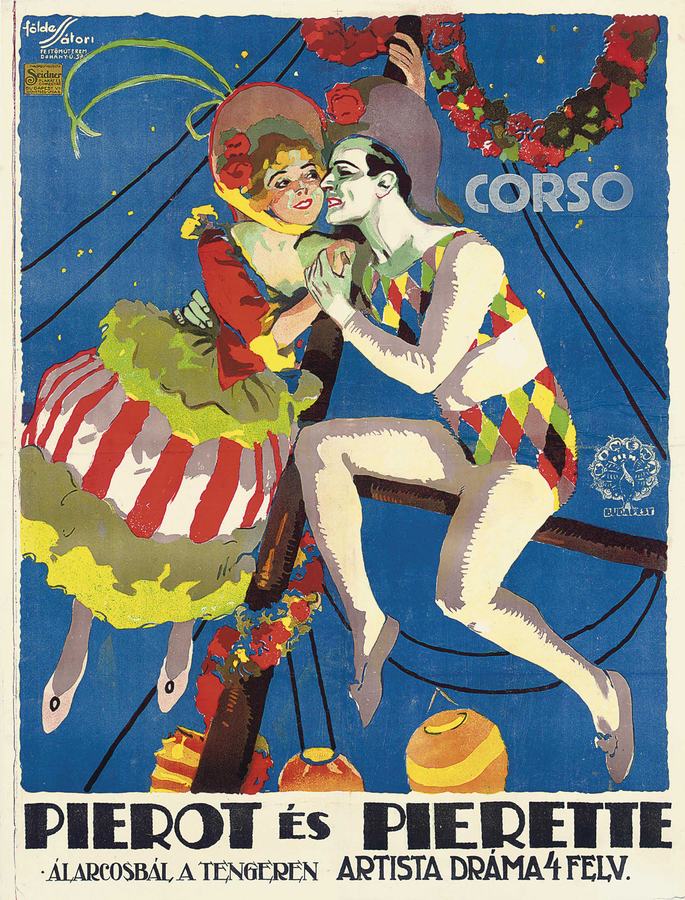
Comparing the cinematic DNA and archive impact of two defining moments in cult history.
Rafael Bermúdez Zatarain
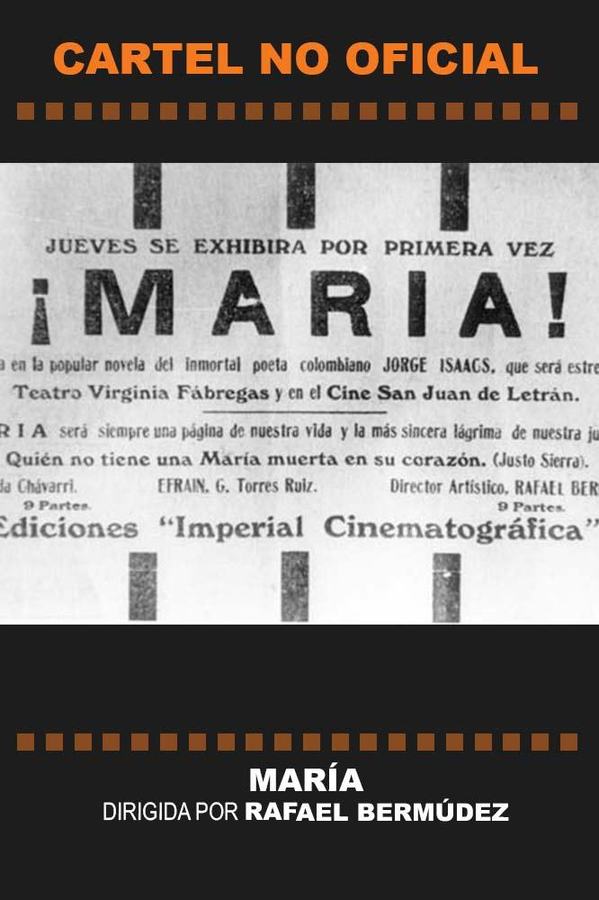
Rafael Bermúdez Zatarain
Community
Log in to comment.
" María is not a film for the faint of heart. It is a cinematic incantation that lingers in the throat like a half-swallowed truth, its power derived not from conventional storytelling but from the cumulative weight of its silences. Rafael Bermúdez Zatarain’s directorial vision is as unyielding as it is intimate, dissecting the life of María—a woman whose existence becomes a cipher for the universal struggle between self-determination and societal erasure. The film’s opening sequence, a single ..."